CPI Inflation Blows Past Fed Rates As Core Services, Gasoline, Electricity, And Food Spike; Fed’s ‘Real’ Rates Are Now Negative – Image for illustrative purposes only (Image credits: Pexels)
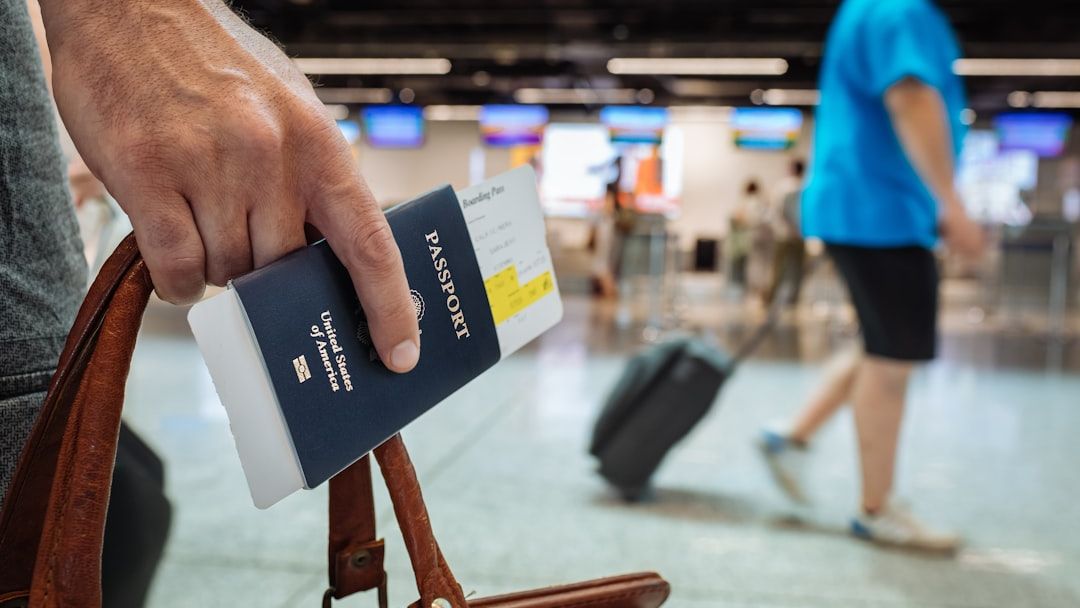
For families mapping out summer road trips or flights this year, the latest government data on consumer prices delivers a clear message about tighter budgets. Travel-related expenses have risen faster than the overall rate of inflation, with gasoline and airline fares leading the way. The April figures, released in mid-May, show how these increases are already reshaping spending decisions for millions of households.
April CPI Report Highlights Key Price Pressures
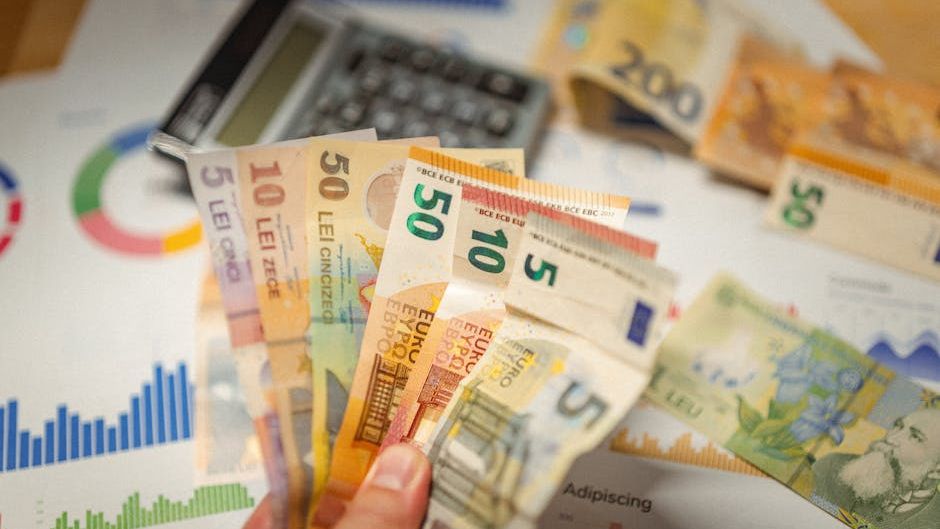
The Consumer Price Index climbed 3.8 percent over the past year, the highest annual pace since May 2023. Monthly gains reached 0.6 percent, with energy costs accounting for more than 40 percent of the increase. Gasoline prices alone surged 28.4 percent year over year, while electricity rose 6.1 percent and food prices advanced 3.2 percent annually.
Core inflation, which excludes the volatile food and energy categories, stood at 2.8 percent over the year. This reading remains well above the Federal Reserve’s 2 percent target and signals persistent underlying pressures in services and shelter.
Travel Prices Accelerate Even Faster
The Travel Price Index, which tracks costs specific to transportation, lodging, and related services, jumped 5.8 percent year over year in the most recent reading. That pace significantly exceeded the broader CPI increase of 3.3 percent recorded just a month earlier. Airline fares rose 2.8 percent in a single month, contributing to the sharpest monthly gain in the travel index since early 2022.
These movements reflect direct effects on everyday travel decisions. Higher fuel prices raise the cost of driving to destinations, while elevated airfares affect both leisure and business trips. Many travelers now face the choice between shortening trips, switching to closer destinations, or absorbing the added expense.
Who Feels the Impact Most
Households planning longer drives or multiple flights this summer encounter the steepest adjustments. Road-trip budgets have grown noticeably because of gasoline costs that remain elevated from a year ago. Frequent flyers, including those visiting family or attending events, see ticket prices compound quickly when combined with higher costs for meals and lodging.
Smaller businesses in tourism-dependent areas also navigate these shifts. Operators of hotels, restaurants, and attractions must decide whether to raise their own prices or absorb thinner margins as visitor spending patterns change.
Changes Travelers Are Watching Next
- Continued monitoring of gasoline prices, which have already driven much of the recent energy spike.
- Airline fare trends, especially after recent capacity adjustments in the industry.
- Food-away-from-home costs, which rose modestly but add up on extended trips.
- Overall consumer sentiment, which could influence booking volumes if inflation expectations remain elevated.
These developments leave many households weighing practical trade-offs. Some are locking in reservations earlier to avoid further increases, while others explore alternative destinations closer to home. The coming months will show how these price pressures ultimately shape summer travel patterns across the country.