
Never Combine Bleach with Ammonia
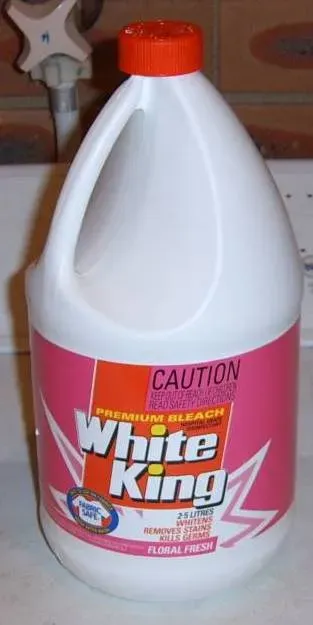
When bleach meets ammonia the two chemicals react right away and release chloramine gases into the air. These gases irritate the lungs eyes throat and skin almost immediately. People often notice a strong smell first then start coughing or feeling short of breath. In closed kitchens the gases build up fast and can turn a simple cleaning session into a medical emergency. Even small amounts trigger watery eyes and burning sensations that last for hours. Health experts warn that repeated exposure weakens lung tissue over time. Many households still keep both products under the sink without realizing the risk they create when used together.
Poison control centers across the country receive thousands of calls each year about accidental mixing of these two cleaners. In 2024 alone household cleaning substances accounted for more than eighty seven thousand pediatric exposure cases reported to poison centers. The reaction happens so quickly that even careful people can make the mistake during a rushed chore. Symptoms range from mild irritation to severe breathing trouble that sometimes requires hospital care. Proper ventilation and separate storage help but the safest step remains keeping the two products far apart. Reading every label before starting any cleaning job prevents most of these incidents. Families who follow this simple rule avoid unnecessary trips to the emergency room.
Skip Mixing Bleach with Vinegar
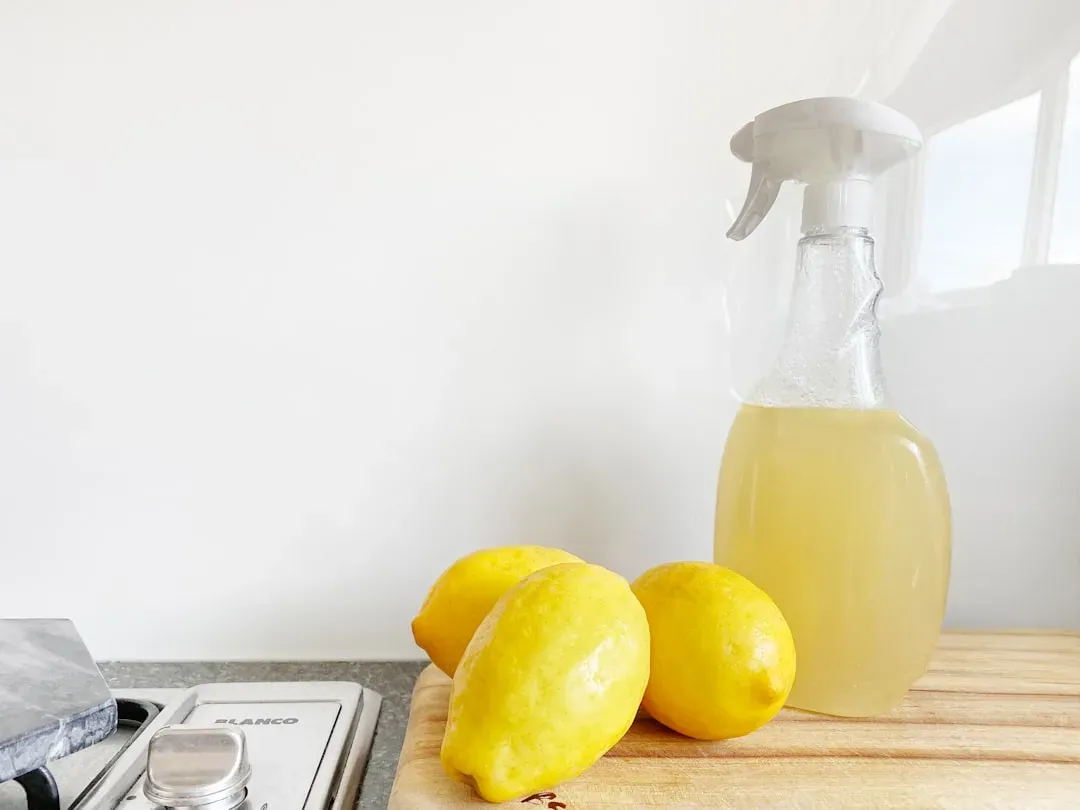
Bleach and vinegar create chlorine gas when they touch and that gas carries a long history as a chemical weapon from World War I. The gas forms in seconds and fills the room with a sharp odor that signals danger. Short exposure leads to coughing chest pain watery eyes and sudden nausea. Kitchens with poor airflow turn especially hazardous because the gas lingers near the floor where children and pets breathe. Even brief contact with the mixture can leave lasting throat irritation that takes days to fade. Many people reach for vinegar to boost cleaning power without knowing the hidden reaction. The result often sends someone straight to the phone calling poison control for advice.
Recent data shows cleaning product exposures rose sharply during the pandemic years and the trend continues today. In 2024 poison centers handled nearly two point one million total human exposure calls with cleaning substances ranking among the top categories. Surveys reveal that nearly half of households still mix different cleaners hoping for better results. The chlorine gas from bleach and vinegar irritates the respiratory system fast and can trigger asthma attacks in sensitive individuals. Storing the two products on opposite sides of the cabinet cuts the chance of accidental contact. Always check labels for mixing warnings before pouring anything together. Simple habits like these keep kitchens safer for everyone who uses them daily.
Avoid Hydrogen Peroxide and Vinegar in the Same Container
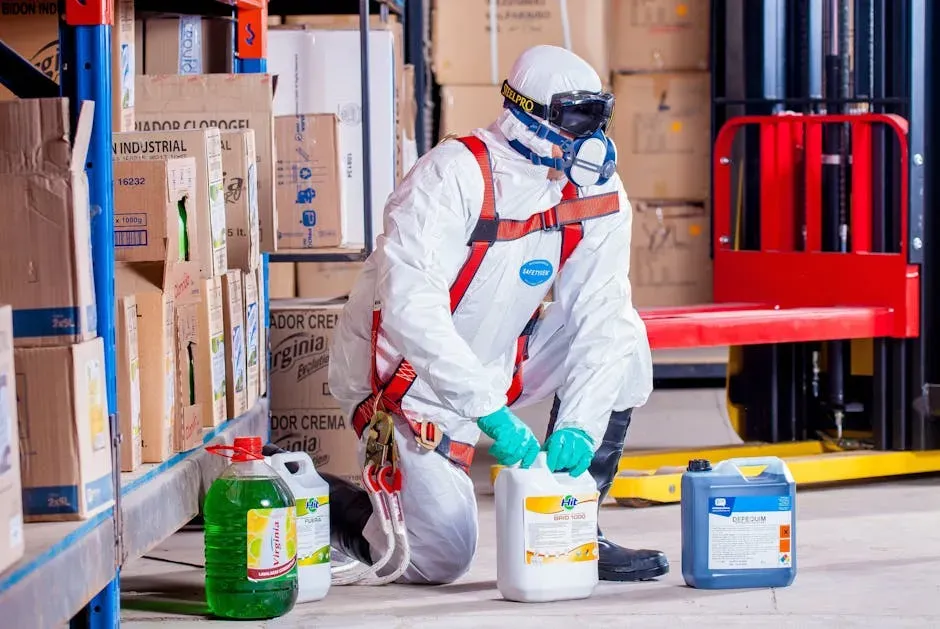
Hydrogen peroxide and vinegar form peracetic acid when combined in one bottle and that acid burns skin and eyes on contact. The reaction stays hidden until the mixture sits for a while then releases a strong vinegar like smell. People who pour both into a spray bottle for convenience often discover the problem only after the damage begins. The acid corrodes surfaces and leaves behind a residue that continues to irritate long after cleaning ends. Kitchens see frequent use of both products for stain removal and disinfection yet few realize the danger of storing them together. Short contact with the formed acid causes redness and stinging that requires immediate rinsing. Health guidelines stress never combining oxidizers like these in any container.
Accidental exposures to household chemicals increased noticeably after the pandemic as more homes relied on disinfectants. Poison centers noted a clear rise in calls related to cleaner misuse during that period. Even small amounts of peracetic acid can damage delicate eye tissue and require medical attention. Families who keep hydrogen peroxide and vinegar on the same shelf increase their risk without realizing it. Switching to separate tools for each product prevents the unwanted chemical change. Reading instructions on every bottle takes only seconds yet saves hours of discomfort later. Consistent caution around these common items protects everyone who shares the kitchen space.
Keep Different Drain Cleaners Strictly Separate
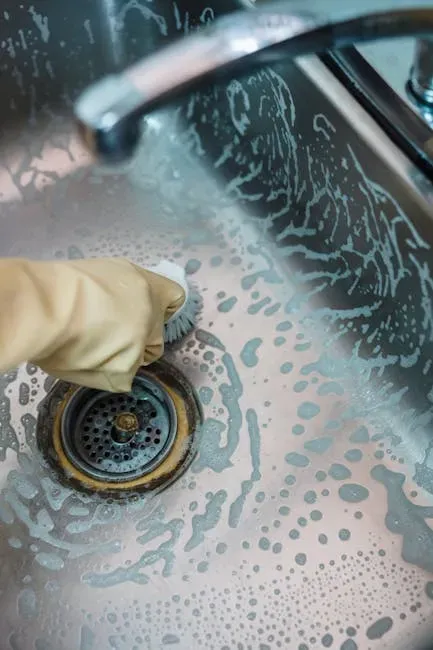
Mixing two different drain cleaners can spark violent reactions inside pipes that produce toxic fumes or even small explosions. The chemicals often contain strong acids or bases that clash when poured together. Homeowners sometimes try a second product after the first fails and create a far worse problem. The resulting gases travel upward through sinks and fill the kitchen with dangerous vapors. Pipes can crack under the pressure and lead to costly repairs along with health risks. Many labels carry clear warnings yet people still combine products during stubborn clogs. The outcome frequently requires professional help to clear both the drain and the air.
Poison centers continue to track thousands of cleaning related calls each year with drain products contributing to the total. In recent reports household cleaning substances made up nearly seven percent of all exposure cases nationwide. The violent reactions happen without warning and can affect anyone nearby including children who wander into the room. Storing each drain cleaner in its original container and using only one at a time avoids most disasters. Good ventilation during any drain work reduces the chance of inhaling fumes. Taking time to follow product directions prevents both plumbing damage and personal injury. These straightforward steps keep kitchens functional and safe for daily use.