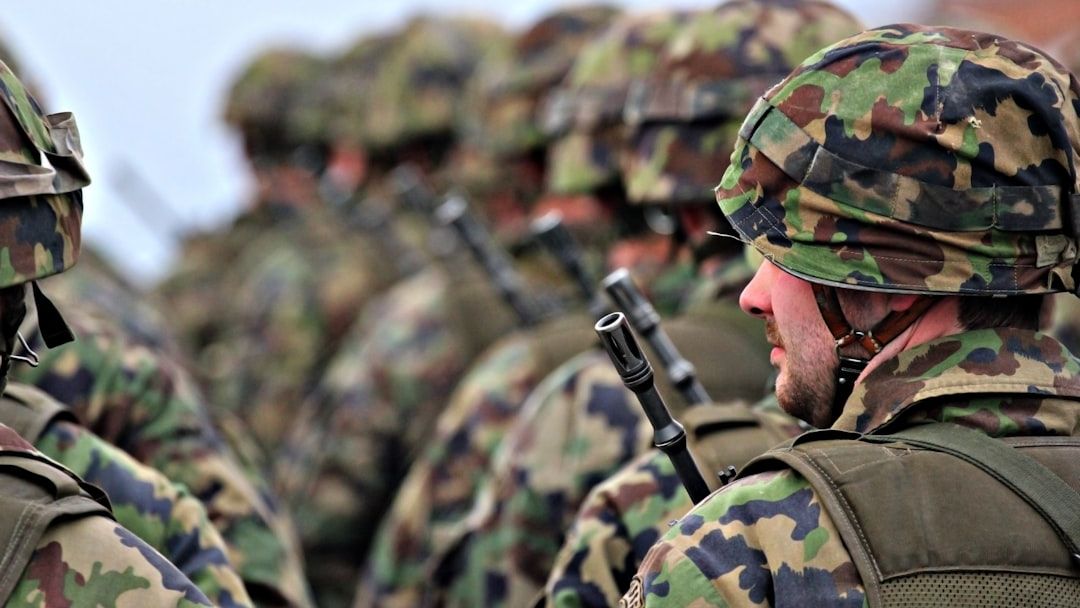
US Stops Thousands of Troops En Route To Poland – Image for illustrative purposes only (Image credits: Unsplash)
The United States has directed that thousands of troops en route to Poland turn back, marking a concrete step in a long-standing policy shift. American leaders have for years pressed European nations to assume more responsibility for their security needs. This latest action follows through on repeated pledges to reduce the overall U.S. military footprint on the continent.
Why the Deployment Was Stopped
Washington has made clear that European allies must invest more in their own armed forces and reduce reliance on American support. The halted movement of troops reflects this consistent message delivered across multiple administrations. Officials view the change as necessary to rebalance defense burdens within NATO.
Poland, a frontline NATO member, now confronts the practical reality of fewer arriving U.S. forces than previously planned. Military logistics that were already in motion have been reversed, affecting schedules and resources on both sides of the Atlantic.
Impact on Soldiers and Their Families
Service members who had prepared for the Poland assignment now face altered orders and uncertain timelines. Their families, who often plan moves and schooling around deployments, must adjust to the sudden change in direction. Such reversals highlight the human side of strategic decisions made at the highest levels.
The decision also sends a signal to other European countries that similar adjustments could follow. Troops already stationed on the continent may see rotations scaled back in the months ahead.
What Comes Next for Transatlantic Security
European governments are expected to accelerate efforts to meet higher defense spending targets. The United States will continue to monitor how allies respond before finalizing further troop reductions.
- Increased national budgets for military equipment and training across Europe
- Closer coordination among European Union defense initiatives
- Possible new agreements on shared logistics and rapid-response forces
- Regular reviews of U.S. force posture on the continent
These steps could reshape how security responsibilities are divided for years to come.
A Broader Shift in Priorities
The move fits into a larger pattern of American policy that prioritizes domestic needs while urging partners to carry more of the load. European leaders have acknowledged the call but face domestic political hurdles in delivering rapid increases in capability. Observers note that the outcome will depend on whether allies translate words into sustained action.
Ultimately, the halted deployment underscores an unresolved question: how quickly and effectively can Europe stand more firmly on its own in matters of defense.