Trump and Xi’s footing was a big ‘tell’ on how their historic China summit went: body language expert – Image for illustrative purposes only (Image credits: Unsplash)
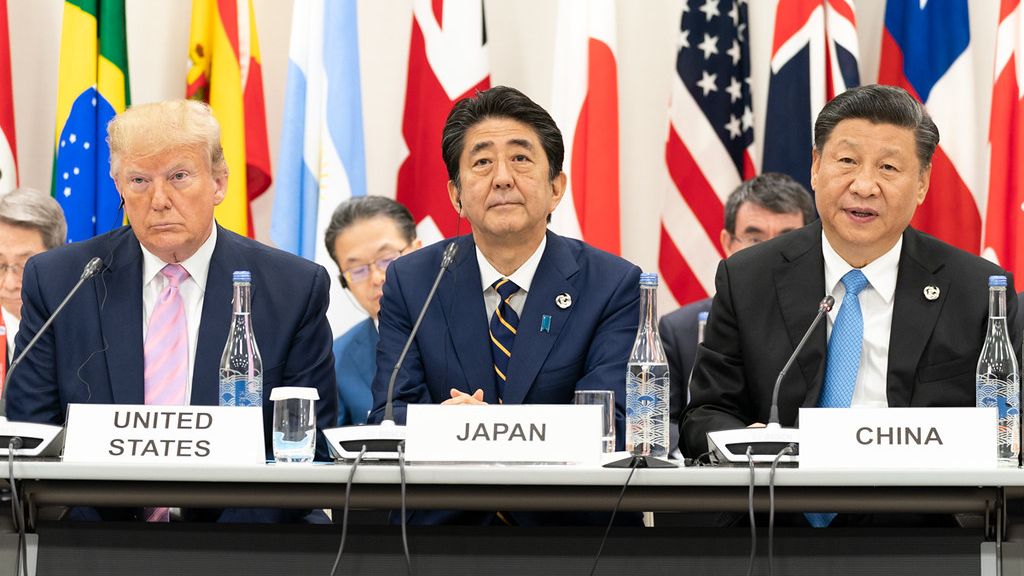
A body language expert has identified a telling detail from the recent high-level meeting between President Trump and Chinese leader Xi Jinping. Both men kept their toes pointed directly toward each other while seated, a posture the specialist described as a strong indicator of positive engagement. The observation adds a new layer to assessments of how the talks unfolded on trade, security, and other pressing issues.
Expert Highlights the Foot Position
The key clue emerged from close analysis of the leaders’ seated posture during their discussions. According to the specialist, the direction of the toes and feet offered clear insight into the atmosphere. Both sets of toes angled inward, creating a subtle alignment that suggested openness rather than defensiveness.
The expert emphasized the significance of this lower-body cue. “It’s in the toes — how the toes are pointed, how the feet are pointed, and both of their toes were pointed towards one another as they were seated. And that’s a very big thing,” the specialist stated. Such positioning often signals that participants feel comfortable and connected, even in formal diplomatic settings.
Why Feet Matter in Body Language
Body language researchers have long noted that the feet and legs frequently reveal true intentions more reliably than facial expressions or hand gestures. People can control smiles or nods more easily, yet foot placement tends to reflect subconscious comfort levels. When toes point toward another person, it typically indicates interest and a willingness to continue the exchange.
In contrast, feet angled away or crossed tightly can suggest discomfort or a desire to exit the conversation. The expert’s focus on this detail aligns with established principles in nonverbal communication studies. Applied to the Trump-Xi encounter, the inward toe direction stood out as a marker of constructive dialogue rather than tension.
Context of the High-Stakes Meeting
The summit brought together the two leaders at a moment of heightened global attention on economic ties and regional stability. Discussions covered tariffs, technology transfers, and broader geopolitical concerns. Observers had watched for any visible signs of friction or breakthrough, and the body language analysis provides one additional lens on the proceedings.
Seated exchanges like these often set the tone for longer negotiations. The expert’s reading suggests the initial interactions carried a cooperative undercurrent, even amid complex topics. This detail fits into a wider pattern of diplomatic body language where small physical alignments can foreshadow smoother progress.
Implications for Future Relations
Positive nonverbal signals do not guarantee policy outcomes, yet they can influence the personal rapport between leaders. When participants appear physically oriented toward one another, it may ease the path for follow-up talks. Analysts will continue to monitor subsequent meetings for similar cues as negotiations advance.
The toe observation offers a reminder that diplomacy unfolds through both words and unspoken signals. As the two nations navigate ongoing challenges, such insights help observers gauge the underlying dynamics at play. The expert’s assessment leaves room for cautious optimism about continued engagement.