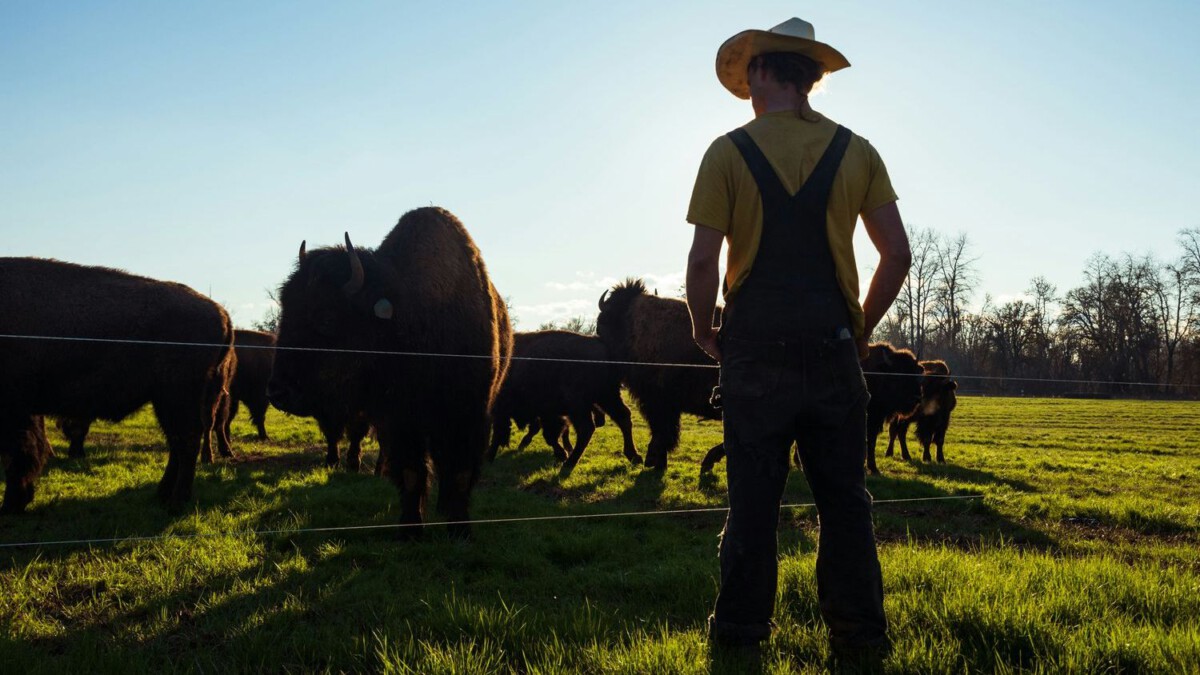
New uncertainty for America's farmers as China summit wraps, Iran war fuels high costs – Image for illustrative purposes only (Image credits: Unsplash)
American farmers entered the recent China summit with hopes that renewed talks would ease long-standing trade pressures and stabilize export markets. Instead, the conclusion of the meetings left many operators with more questions than answers about future access to key overseas buyers. At the same time, ongoing tensions tied to the Iran conflict have pushed up costs for fuel, fertilizer, and other essential inputs, adding another layer of strain to already tight budgets.
High Stakes for Farm Incomes
Many producers across the Midwest and Great Plains had viewed the summit as a potential turning point. A clearer path to expanded sales of soybeans, corn, and other commodities could have helped offset years of volatile prices and weather-related losses. Without firm commitments emerging from the discussions, those prospects now appear more distant.
The absence of detailed outcomes has forced farm families to reconsider planting decisions and equipment purchases for the coming season. Lenders and suppliers are also watching closely, as any prolonged uncertainty can affect credit terms and input financing. This ripple effect reaches beyond individual operations into rural communities that depend on steady agricultural activity.
Trade Expectations Meet Reality
Previous rounds of negotiations had raised hopes for tariff reductions and purchase agreements that would restore some predictability to global grain flows. Farmers had anticipated that renewed engagement with China, a major buyer of U.S. agricultural products, might deliver measurable relief. The summit’s wrap-up, however, provided little in the way of concrete timelines or volume guarantees.
Industry observers note that even modest progress on market access can influence planting intentions and forward contracting. When such progress remains elusive, producers often delay sales or shift acreage toward crops with more stable domestic demand. These adjustments take time to play out and can influence prices at the grocery store months later.
Additional Pressure from Rising Input Costs
Separately, developments linked to the Iran conflict have driven up energy and fertilizer prices in recent weeks. Diesel fuel for tractors and trucks now costs more in many regions, while nitrogen-based fertilizers have seen similar increases. These expenses represent a significant share of operating budgets for row-crop and livestock operations alike.
Farmers report that the combination of unresolved trade questions and higher day-to-day costs leaves less room for unexpected weather events or equipment repairs. Many are reviewing budgets line by line and exploring ways to lock in supplies earlier than usual. The result is a more cautious approach to expansion or capital improvements.
Factors to Monitor in Coming Months
Producers and analysts alike are tracking several developments that could shape the outlook:
- Follow-up communications between U.S. and Chinese officials on specific purchase commitments.
- Global energy price movements tied to Middle East developments.
- Domestic policy responses, including any new support programs for affected commodities.
- Weather patterns that could alter supply expectations for the next harvest.
- Shifts in planting intentions reported by the U.S. Department of Agriculture.
Each of these elements carries the potential to either ease or intensify the current pressures on farm balance sheets.
Ultimately, the coming harvest season will test how well operators can navigate the mix of unresolved trade questions and elevated operating expenses. Rural economies across the country will feel the effects of those adjustments in the months ahead.