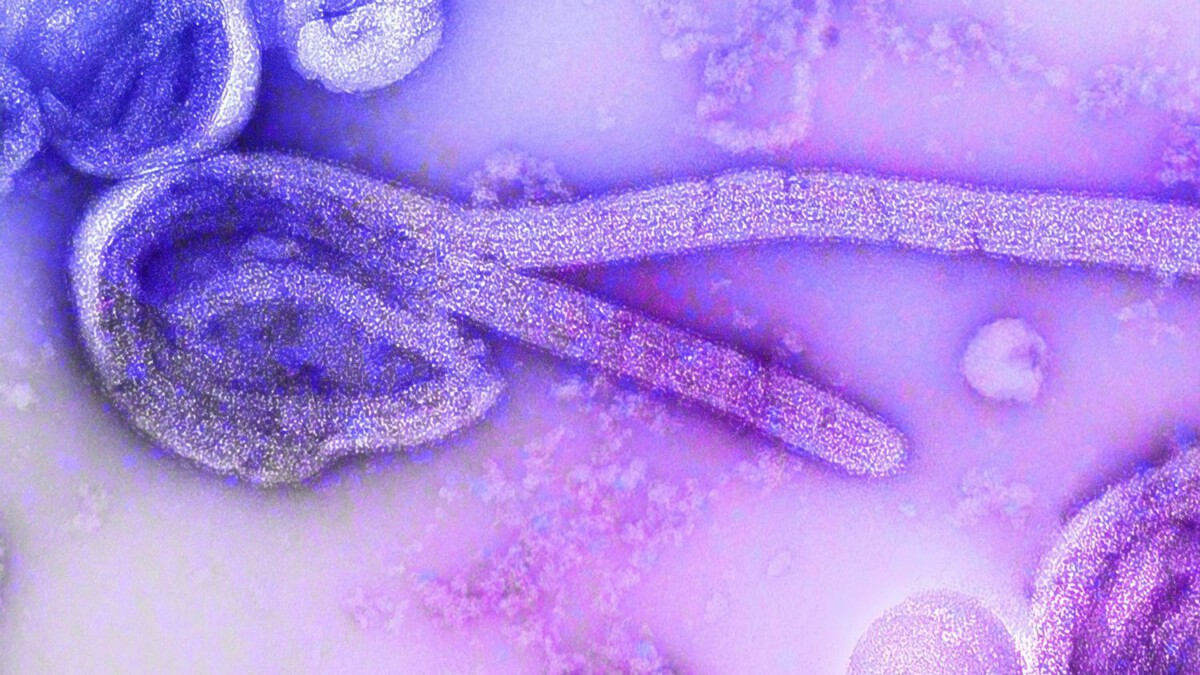
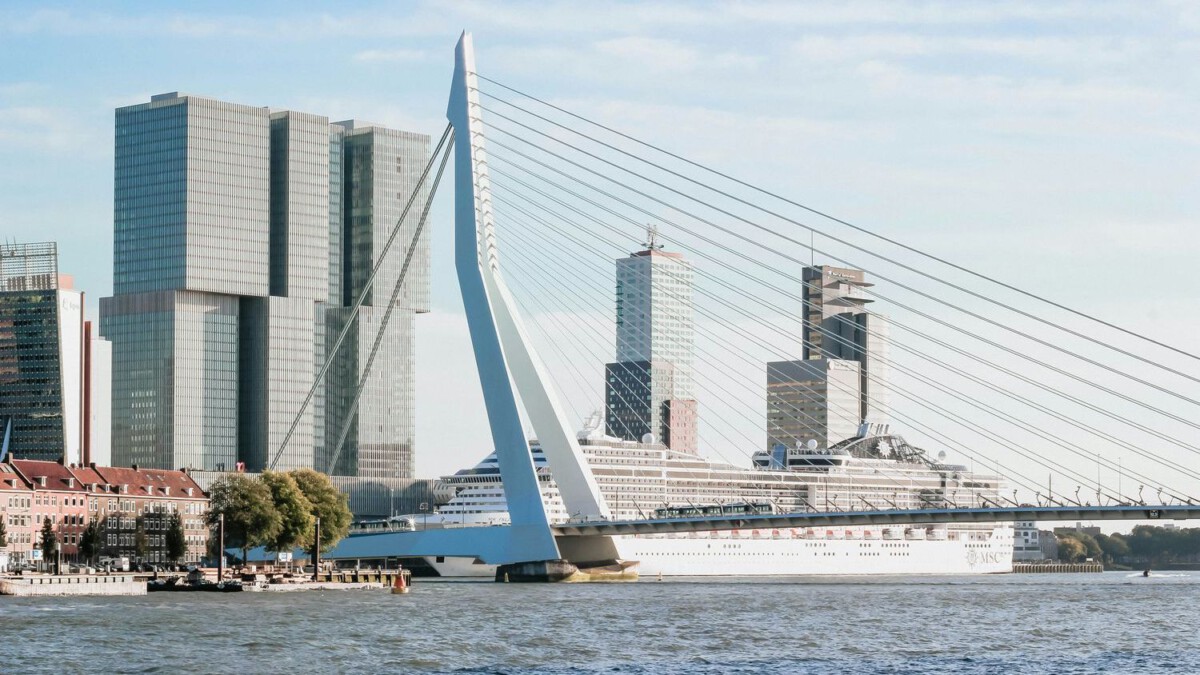
Hantavirus-hit cruise ship arrives in Netherlands – Image for illustrative purposes only (Image credits: Unsplash)
A cruise ship that carried a deadly hantavirus outbreak has now reached the Dutch port of Rotterdam, where teams are carrying out disinfection to close out a voyage that drew attention from health officials around the world. The arrival marks the end of a journey marked by illness and heightened vigilance, yet the episode leaves behind questions that extend far beyond one vessel. For American travelers who book cruises in large numbers each year, the incident serves as a reminder that confined spaces at sea can amplify certain health risks in ways that land-based trips rarely do.
A Troubled Voyage Comes to a Close
The ship pulled into Rotterdam after weeks of managing the outbreak at sea. Port authorities moved quickly to begin the disinfection process, a standard step when a vessel has dealt with a contagious illness. This procedure aims to reduce any remaining traces of the virus before the ship resumes normal operations. Health agencies monitored the situation closely throughout, underscoring how quickly an onboard incident can draw international scrutiny.
What Hantavirus Actually Is
Hantavirus spreads primarily through contact with rodent droppings, urine, or saliva, though it can also pass between people in rare cases. Once inside the body, the virus can lead to severe respiratory problems that sometimes prove fatal. Symptoms often start with fever, muscle aches, and fatigue before progressing to breathing difficulties. Medical experts note that early detection improves outcomes, but the illness can advance rapidly in some patients. Because the virus is not common in everyday settings, many people remain unfamiliar with how it behaves or spreads.
Researchers continue to study transmission patterns, and some details about this particular outbreak remain under review. Public health messages stress that most cases occur in rural or wilderness areas rather than on ships, yet any enclosed environment with shared air and surfaces can create opportunities for spread if conditions allow. The uncertainty around exact exposure points on the cruise has left some passengers and crew members seeking additional testing and follow-up care.
Why Cruise Travel Raises Extra Questions
Cruise ships bring together hundreds or thousands of people in close quarters for days or weeks at a time. Ventilation systems, shared dining areas, and frequent handrails all create surfaces and airflows that can move germs more easily than in open settings. When an illness like hantavirus appears, the combination of limited medical resources at sea and the time needed to reach a major port can complicate response efforts. American passengers, who make up a large share of the global cruise market, often return home before full details of any onboard event become clear.
Travelers frequently assume that major lines maintain strict sanitation standards, and most voyages proceed without incident. Still, the recent case shows that even well-prepared operators can face unexpected challenges. Routine cleaning helps, yet it cannot eliminate every possible risk in advance. Passengers who feel unwell during or after a trip are encouraged to seek medical attention promptly and mention their recent travel.
Practical Steps for Future Trips
Anyone planning a cruise can reduce personal risk by practicing consistent hand hygiene and avoiding areas with obvious signs of pests. Packing a basic health kit with fever reducers and staying current on routine vaccinations adds another layer of protection. Checking the latest guidance from the Centers for Disease Control and Prevention before departure provides up-to-date context on regional health concerns. Travelers who notice rodent activity or unusual odors in cabins should report them immediately to ship staff.
What matters now: The disinfection in Rotterdam brings one chapter to a close, yet the broader lesson for American cruise-goers centers on awareness rather than alarm. Staying informed about symptoms, maintaining good hygiene habits, and knowing when to seek care remain the most reliable ways to protect yourself on any voyage.
Health officials expect the ship to return to service once cleaning is complete, but the episode has already prompted renewed conversations about preparedness across the industry. For passengers weighing their next vacation, the takeaway is straightforward: enjoy the journey, yet keep a clear eye on how quickly health situations can change in a floating community.