
Never Walk Barefoot in the Cabin
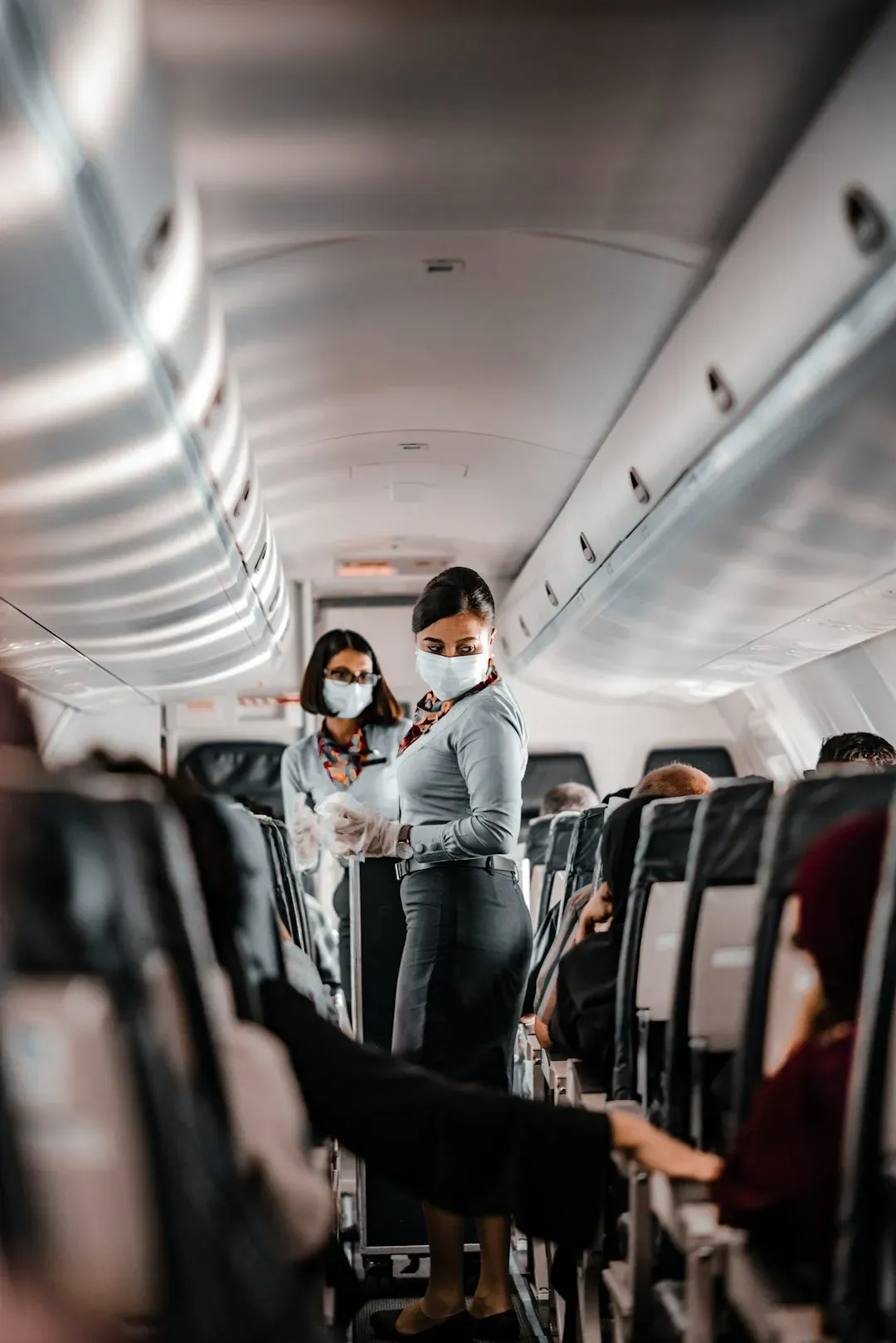
Airplane floors pick up all sorts of residue from shoes, spills, and the constant traffic of passengers moving around. Cabin crews see this buildup every day and know that going without socks or shoes exposes your feet to bacteria and other traces left behind in the aisles. Lavatory areas add another layer of concern because those small spaces see heavy use and cleaning does not always reach every corner. Many travelers assume the carpet feels clean enough underfoot, yet the low humidity in the cabin helps germs linger longer than they would on the ground. Flight attendants often share stories of passengers who later deal with minor skin irritations after walking around without protection. Choosing to keep your feet covered avoids unnecessary contact with surfaces that see far more traffic than a typical home floor. Simple habits like wearing socks or slippers make a noticeable difference in comfort once you settle back into your seat.
Long flights already challenge your body in several ways, and adding bare feet to the mix only increases the chance of picking up something unwanted. Crew members recommend keeping footwear on even for short trips to the restroom because the path there crosses areas cleaned less frequently than seats. Passengers who try the barefoot approach often regret it once they notice how cool and sticky the floor can feel after hours in the air. The combination of recycled air and constant movement means surfaces stay in contact with many different people throughout the journey. Opting for light socks or travel slippers keeps things hygienic without adding bulk to your carry on. This small choice helps maintain a sense of cleanliness that matters more as the flight stretches on. Crews appreciate when passengers follow this guideline because it reduces the chance of later complaints about discomfort.
Never Overdo It with Alcohol

Alcohol hits harder at cruising altitude because the cabin pressure lowers oxygen levels and speeds up its effects on the body. Passengers who order multiple drinks often find themselves feeling the impact faster than they expect on the ground. Crews track these situations closely since excessive intake ranks among the top reasons for in-flight disruptions that can lead to diversions. The dry air inside the plane also dehydrates you quicker, which compounds the grogginess that follows a few rounds. Many travelers start with good intentions for a relaxing flight yet end up needing extra assistance from the crew. Limiting intake to one or two servings keeps the experience smoother for everyone around you. Flight attendants notice patterns where moderate choices lead to fewer issues overall.
Staying aware of your limits helps the entire cabin stay calm during those long stretches over oceans or remote areas. The combination of altitude and alcohol can turn a simple request into a bigger moment if judgment slips. Crews prepare for these scenarios because they have seen how quickly things escalate when passengers lose track of how much they have consumed. Choosing water or nonalcoholic options between drinks maintains better balance throughout the journey. This approach supports clearer thinking when it comes time to follow safety instructions or move around the cabin. Passengers who pace themselves report feeling more rested upon arrival rather than dealing with a heavy head. The crew values travelers who keep things steady because it allows everyone to focus on a comfortable flight.
Never Stay Seated for Hours Without Moving
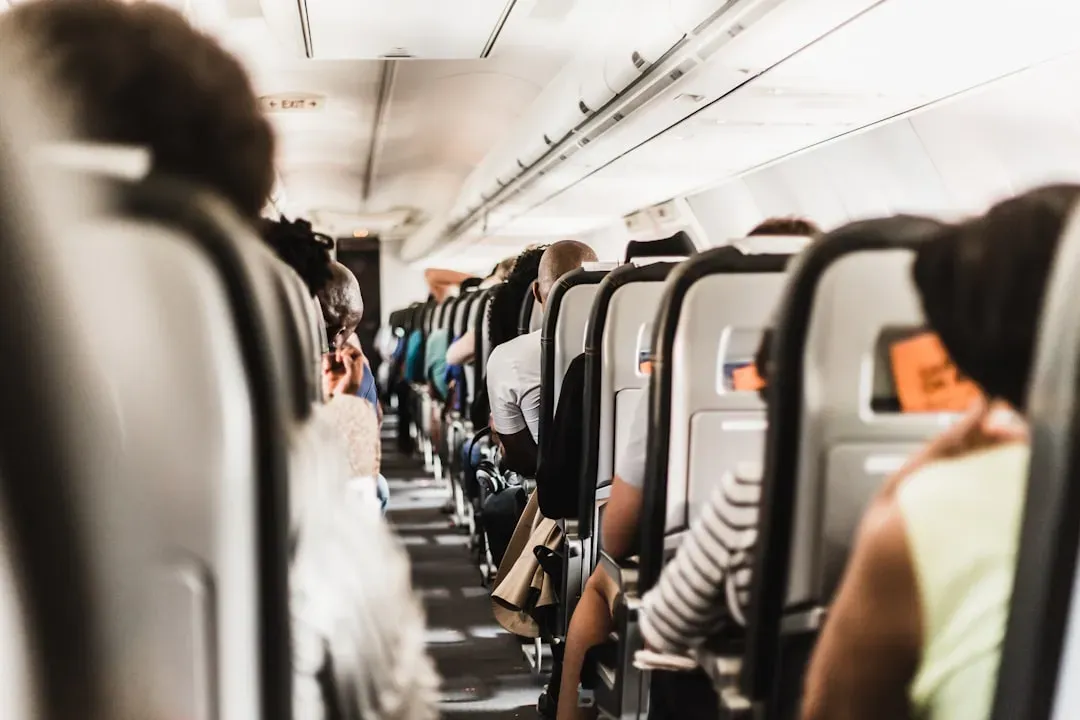
Remaining in one position for extended periods raises the risk of circulation problems that build gradually during long flights. Experts note that breaks every couple of hours help blood flow and ease stiffness that sets in after sitting still. The confined space makes it easy to lose track of time, yet small stretches in the aisle or at your seat make a real difference. Passengers who stay locked in place often notice leg discomfort that lingers well after landing. Simple ankle rolls or standing briefly near your row keeps muscles active without disturbing neighbors. This habit supports better overall comfort as the hours pass. Crews encourage these movements because they see fewer complaints from travelers who stay mobile in safe ways.
Long-haul routes test endurance in ways shorter trips do not, and regular position changes prevent that heavy feeling in the limbs. Walking to the restroom or doing seated exercises provides a quick reset that refreshes both body and mind. Many passengers underestimate how quickly stiffness develops when they remain fixed for too long. Incorporating light movement fits naturally into the routine of checking the time or adjusting the window shade. The result feels lighter and more manageable once the plane begins its descent. Crew members appreciate passengers who handle their own comfort because it keeps the cabin atmosphere relaxed. This steady approach turns a potentially tiring journey into one that ends on a better note.
Never Depend Too Much on Sleeping Pills

Sleeping aids can seem like an easy solution for crossing time zones, yet they often leave travelers feeling more off balance than expected once the flight ends. The dry cabin air already affects hydration, and these medications can intensify that effect along with grogginess. Research points to added circulation concerns when the body stays too still under the influence of strong doses. Passengers who rely heavily on them sometimes struggle with alertness during critical moments like meal service or safety briefings. A lighter approach using eye masks or gradual relaxation works better for most people on these routes. The body adjusts more naturally without the extra chemical load. Crews observe that passengers who avoid heavy reliance wake up feeling steadier.
Planning ahead with simple sleep routines reduces the need for medication while still supporting rest during the flight. The combination of cabin pressure and limited movement already challenges recovery, so adding strong aids can extend that recovery time after landing. Travelers who test lighter methods like adjusting their seat or using noise canceling headphones report smoother transitions. This choice keeps the focus on natural rhythms rather than forcing sleep through artificial means. The outcome supports better energy levels once you reach your destination. Crews notice the difference in how passengers handle the final hours of the journey. A measured approach leads to fewer regrets once the wheels touch down.
Never Skip Staying Hydrated

Cabin humidity drops well below normal indoor levels, which means moisture leaves the body faster than most people realize during long flights. Passengers who stick mainly to coffee or other caffeinated options often feel the effects in the form of headaches or general fatigue. Regular sips of water throughout the journey help maintain energy and reduce that dry sensation in the throat and skin. The recycled air environment makes consistent intake more important than on shorter trips. Many travelers start the flight feeling fine yet notice the difference after several hours without enough fluids. Keeping a refillable bottle handy supports steady comfort without extra effort. Crews see the benefits when passengers prioritize this basic step.
Planning water intake around meal services and in between creates a rhythm that prevents the worst of the dryness. The low humidity combines with altitude to pull moisture away steadily, so waiting until thirst appears often comes too late. Passengers who build in reminders through their phone or seat pocket notes stay ahead of the curve. This habit supports clearer thinking and less stiffness overall. The result feels more refreshing when the plane finally reaches its gate. Crew members value travelers who manage their own hydration because it contributes to a calmer cabin. Small consistent choices add up across those extended hours in the air.
Never Ignore Crew Instructions or Act Unruly
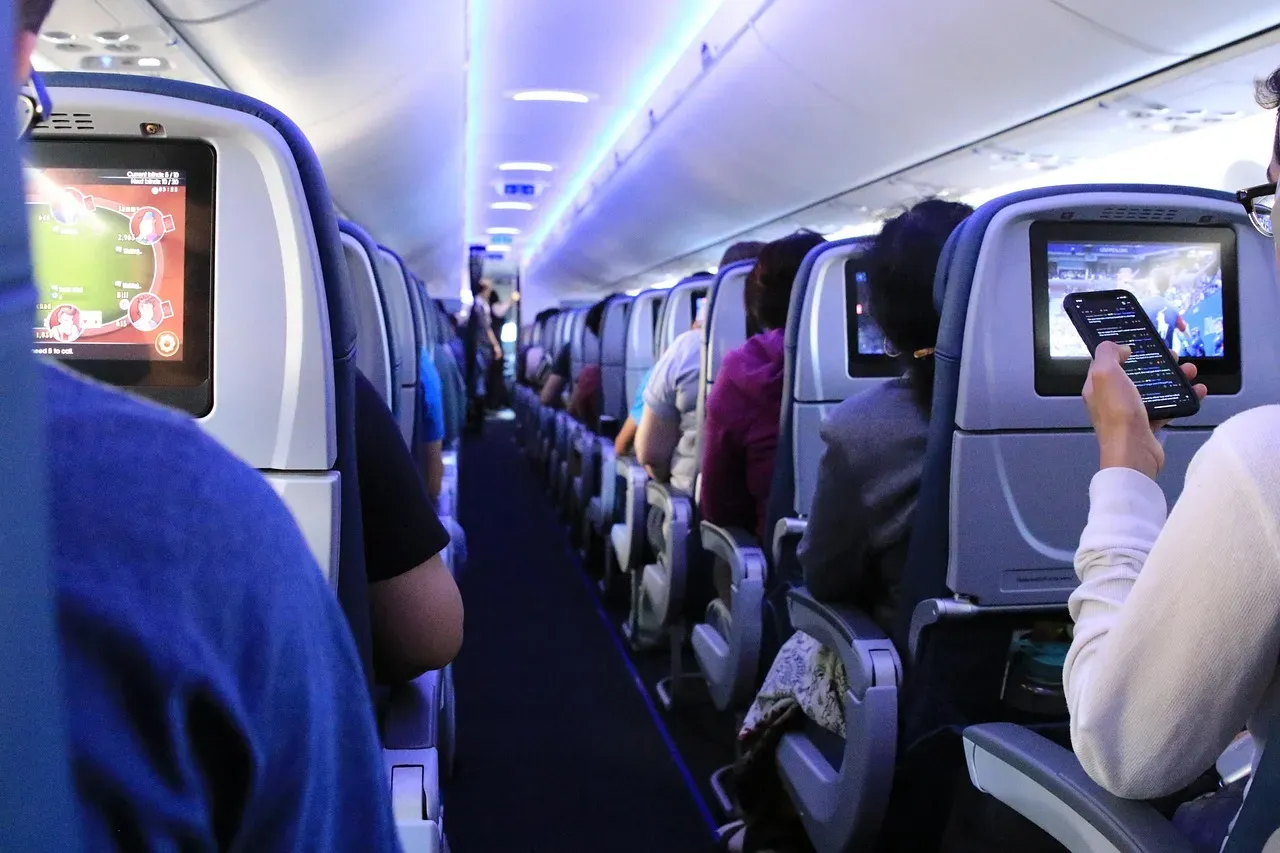
Following directions from the crew keeps safety procedures running smoothly even when the flight feels routine. Reports show thousands of incidents each year where passengers choose not to comply, which creates delays and extra work for everyone involved. The confined space of a long-haul cabin amplifies small disagreements into larger moments that affect the whole flight. Crews train specifically for these situations because clear cooperation matters most during any unexpected change. Passengers who listen and respond promptly help maintain the calm atmosphere that benefits all travelers. This respect for instructions supports a more predictable journey from takeoff to landing. Many experienced flyers make it a point to stay attentive throughout.
Long flights test patience in unique ways, yet staying cooperative prevents unnecessary tension that can build over time. Crews handle a wide range of requests and appreciate when passengers keep interactions straightforward and polite. The data on unruly behavior highlights how quickly one refusal can lead to broader disruptions. Choosing to follow guidelines from the start sets a positive tone that carries through the entire trip. This approach allows the focus to remain on comfort rather than conflict. Passengers who practice this habit often find the experience more enjoyable overall. Crews remember those who contribute to a respectful environment because it makes their work more manageable across demanding routes.