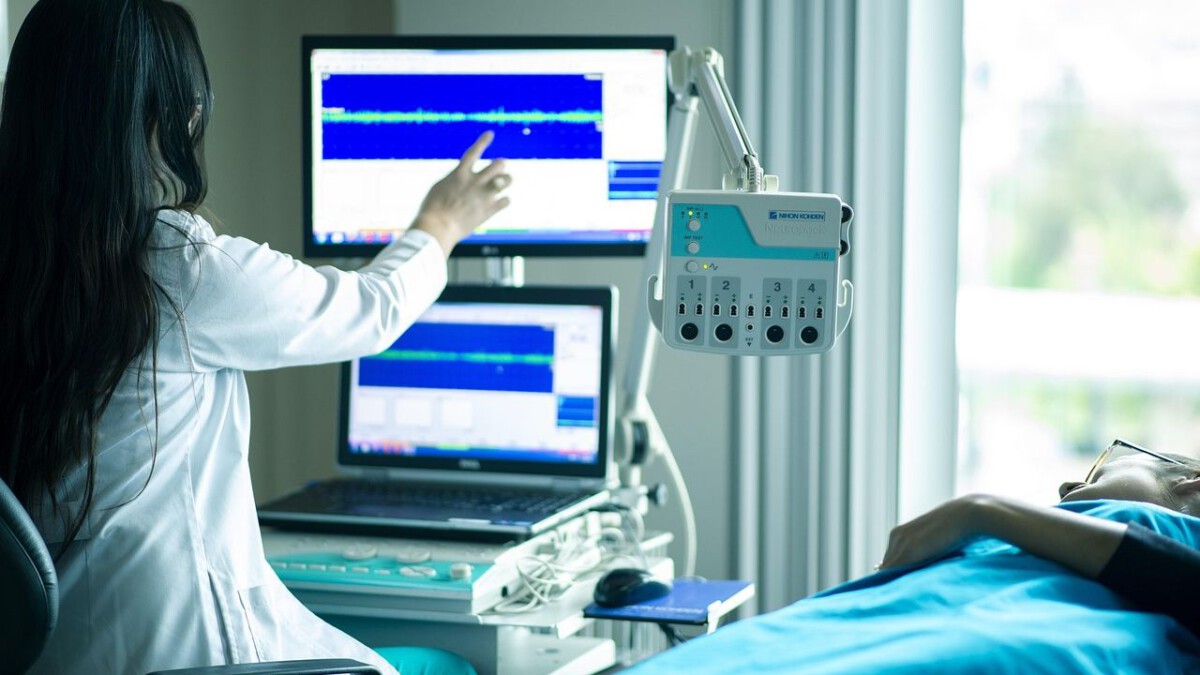
Better Call Saul actor Russell Andrews diagnosed with ALS – Image for illustrative purposes only (Image credits: Pixabay)
Russell Andrews stepped into the public eye this week with a deeply personal announcement. The actor, known for his work on Better Call Saul and other acclaimed projects, disclosed that he received an ALS diagnosis in late 2025. He chose ALS Awareness Month to share his story, appearing alongside his fiancée on a national broadcast to highlight both the challenges and the unexpected support that followed.
A Career Built on Stage and Screen
Andrews has long been recognized for his versatile performances across television, film, and theater. His credits include recurring roles on HBO’s Insecure, appearances in Grey’s Anatomy and NCIS: New Orleans, and a memorable turn in the film Straight Outta Compton. In the theater world, he earned particular acclaim as a frequent interpreter of August Wilson’s works, originating and reviving characters such as Youngblood in Jitney and Levy in Ma Rainey’s Black Bottom.
Those experiences have taken him from American stages to London’s Royal National Theatre, where his contributions earned a Laurence Olivier Award. Beyond acting, Andrews directs, produces, and founded StageWalkers Productions, reflecting a commitment to storytelling that extends well beyond any single role.
Diagnosis Kept Private Until Now
Andrews learned of his condition in the fall of 2025 yet kept the news within a small circle for months. The decision allowed him time to process the news and begin connecting with medical and support networks. Only recently did he decide the moment had arrived to speak openly, framing the revelation as both a personal milestone and an opportunity to connect with others facing similar circumstances.
The timing aligned with broader efforts to increase visibility for ALS during the annual awareness period. By going public, Andrews joined a growing list of public figures who have used their platforms to draw attention to the disease, often described as a progressive neurodegenerative condition that affects nerve cells in the brain and spinal cord.
Embracing a New Community
During his CNN appearance, Andrews described the diagnosis as humbling while also noting the immediate sense of belonging he found among caregivers and advocates. “I am a person living with ALS,” he stated. He went on to emphasize the practical and emotional support that has sustained him since the news became known.
Andrews has since partnered with the ALS Network, an organization focused on care, research, and advocacy. His involvement underscores a shift from private management of the illness to active participation in efforts that benefit the wider patient community. His fiancée, actress Erica Tazel, has been at his side throughout the process and is preparing to take on a primary caregiving role.
Advocacy as the Next Chapter
Andrews has made clear that his public disclosure is not an endpoint but the beginning of a new phase centered on awareness and support. By sharing his journey now, he hopes to reduce isolation for others and encourage continued investment in research and services. The response from fans and colleagues has reinforced the sense that his voice can help shape conversations around living with the disease rather than simply enduring it.
His story arrives at a time when ALS remains a focal point for medical advancement and community organizing. Andrews’ decision to speak out adds a fresh perspective from someone whose professional life has centered on bringing complex characters to life. As he moves forward, the emphasis remains on connection, resilience, and the power of collective effort in the face of an uncertain future.