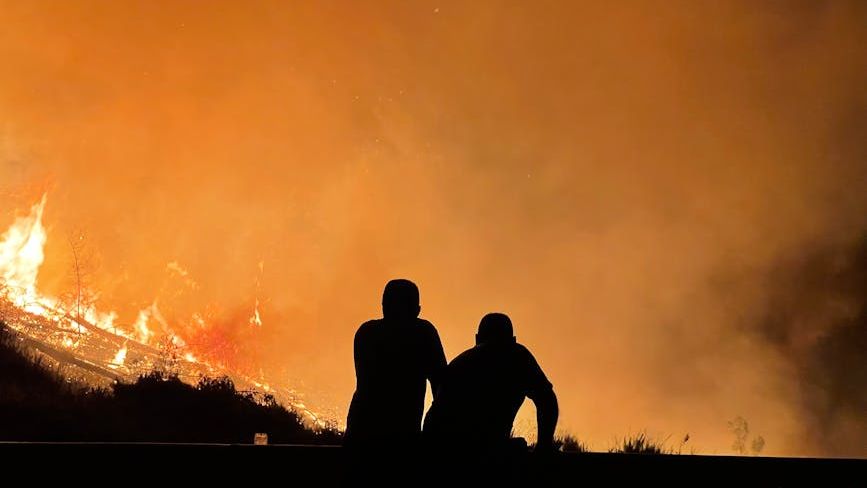
Santa Rosa Island fire burns more than 10,000 acres, threatening rare plants and animals – Image for illustrative purposes only (Image credits: Pexels)
Santa Rosa Island – A fire ignited by human activity expanded rapidly across Santa Rosa Island on Sunday night, consuming more than 10,000 acres in a short time. The blaze destroyed two structures and led to the evacuation of 11 people from the affected zone. The event draws attention to the island’s fragile ecosystem, which supports several rare plants and animals found nowhere else.
Extent of the Damage
The fire’s quick growth caught many by surprise given the island’s remote location. Crews worked through the night to limit further spread, yet the total area burned exceeded 10,000 acres by early reports. This scale represents a significant portion of the island’s landscape in a single incident. The destruction of two structures adds to the immediate losses felt by those connected to the island. Evacuations of 11 individuals were carried out without reported injuries, though the process disrupted normal activities for residents and visitors alike. Recovery efforts will likely focus first on assessing structural damage and ensuring safe return conditions.
Threats to the Island’s Unique Ecosystem
Santa Rosa Island hosts a range of endemic species that have evolved in isolation. The fire’s path through sensitive habitats raises concerns about long-term effects on these populations. Rare plants, in particular, face heightened risk because many grow in limited areas and recover slowly from intense heat. Wildlife dependent on the island’s vegetation could experience habitat loss that affects breeding and foraging patterns. Experts note that repeated fires in such environments can shift the balance toward more fire-tolerant species, potentially reducing overall biodiversity over time. Monitoring programs will track changes in the coming months to understand the full scope.
Human Factors and Prevention Outlook
Investigators have confirmed the fire originated from human activity, though the exact cause remains under review. This detail highlights ongoing challenges in managing ignition sources on remote islands where access is limited. Public awareness campaigns often stress the importance of caution with any open flames or equipment in dry conditions. Looking ahead, land managers may review existing fire prevention measures to reduce similar risks. The island’s status as a protected area means any response will balance immediate suppression needs with long-term conservation goals. Continued vigilance remains essential to protect both people and the natural features that define Santa Rosa Island.