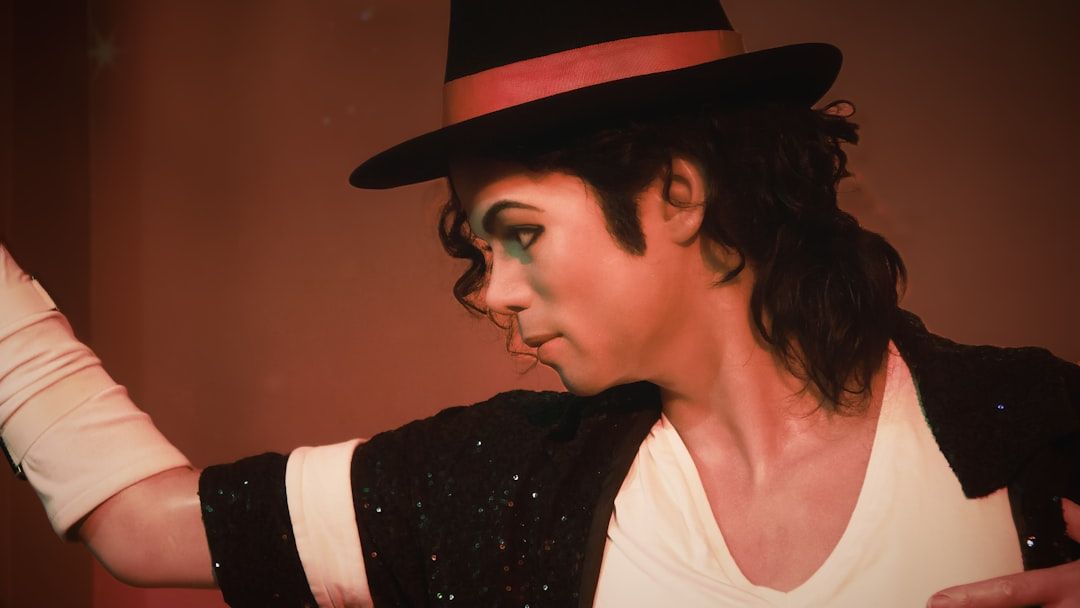
Weil Menschen Angst haben, das Falsche zu sagen, hören sie lieber nur noch zu – Image for illustrative purposes only (Image credits: Pixabay)
Across dinner tables and late-night drives, a subtle adjustment has taken hold in how people approach conversation. Many choose to listen rather than risk an ill-timed remark that could be taken the wrong way. The result is longer stretches of silence punctuated only by safe questions or polite nods. This shift reflects more than personal preference; it points to a wider hesitation about open exchange.
Extended Exchanges That Test Patience
Consider the prospect of several hours spent with a polarizing public figure. Whether the discussion stretches four and a half hours with one prominent voice or seven with another, the experience quickly becomes draining for those involved. Such marathon sessions underscore how difficult sustained dialogue can feel when every statement carries potential for misinterpretation. Participants often leave these encounters relieved rather than enriched.
The fatigue stems not only from the length but from the constant calculation required to stay on neutral ground. Listeners weigh each response carefully, aware that a single phrase might shift the tone or invite criticism. Over time, this mental effort discourages deeper engagement and encourages a more passive role.
Digital Alternatives After Real-Life Moments
Once intimate encounters conclude, many now turn to screens instead of continuing the conversation in person. What once followed naturally after shared moments now migrates to text threads or voice notes. This outsourcing preserves connection without the immediate pressure of face-to-face exchange. It also reduces the chance of saying something that lingers awkwardly in memory.
The pattern suggests a gradual erosion of unscripted talk. People still seek connection, yet they route it through safer channels that allow editing and delay. Over repeated instances, the skill of spontaneous conversation risks fading from everyday use.
Factors Behind the Growing Hesitation
Several elements contribute to this preference for listening. Public examples of swift backlash for minor comments play a visible role. Social platforms amplify isolated remarks, turning private exchanges into public scrutiny. At the same time, workplaces and social circles reward restraint more than candor in many settings.
Another influence lies in the sheer volume of available content. Podcasts and long-form interviews offer extended listening without the need to respond. Viewers or listeners absorb hours of discussion while remaining silent themselves, reinforcing the habit of observation over participation.
Looking Ahead at Everyday Dialogue
The trend does not signal the end of conversation but a rebalancing toward caution. Those who still speak freely often do so within trusted circles where the risk feels lower. Outside those spaces, measured listening has become the default approach for many. This adjustment may preserve harmony in the short term while leaving longer-term questions about connection unanswered.
Key observations from recent patterns:
- Long public discussions increasingly viewed as endurance tests rather than opportunities.
- Post-intimacy exchanges moving to digital formats for safety and control.
- Broader cultural emphasis on avoiding offense over exploring disagreement.