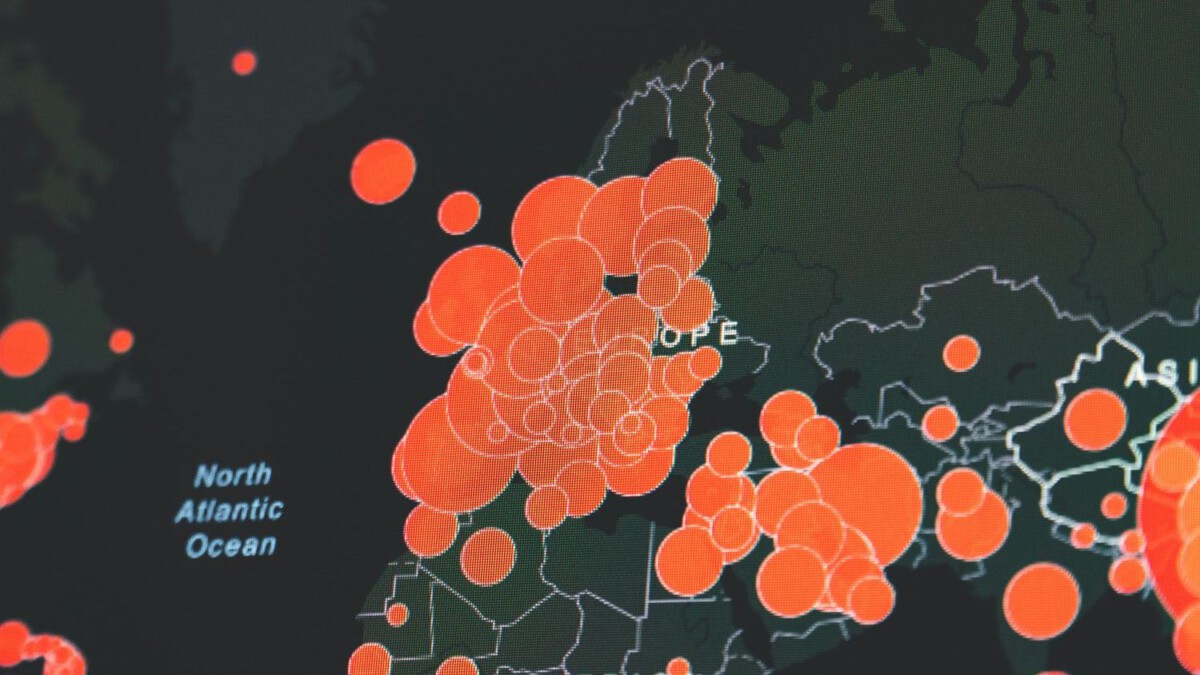
Stocks fall and oil prices gain after Trump warns the Iran 'clock is ticking' – Image for illustrative purposes only (Image credits: Pexels)
World stock markets retreated on Monday after President Donald Trump warned Tehran that the clock is ticking on stalled talks to end the war with Iran. Oil prices rose in tandem with the fresh geopolitical signal. U.S. futures pointed lower while exchanges in Japan and South Korea gave up ground from their recent peaks.
Immediate Price Moves in Global Markets
Traders reacted quickly to the presidential statement, pushing major indexes lower across Asia and into early European hours. The pullback erased some of the gains that had lifted Japanese and South Korean benchmarks to record territory just days earlier. Oil futures advanced as investors priced in the risk of prolonged uncertainty in the Middle East.
Energy markets have long shown sensitivity to any hint of renewed friction involving Iran, a major crude producer. The latest warning arrived at a moment when diplomatic efforts appeared to have lost momentum. Portfolio managers adjusted positions accordingly, favoring safer assets over equities in the short term.
Background on the Stalled Negotiations
U.S.-Iran discussions aimed at securing a lasting ceasefire have encountered repeated obstacles in recent weeks. The Trump administration has maintained pressure on Tehran to accept terms that address both military and economic concerns. Progress has slowed as each side holds firm on core demands.
Market participants now watch for any sign that the impasse could widen into broader supply disruptions. Past episodes of similar tension have produced sharp but temporary spikes in energy costs. Analysts note that sustained higher oil prices would eventually feed through to inflation readings and corporate earnings reports worldwide.
Who Feels the Effects First
Asian exporters and technology firms listed in Tokyo and Seoul saw the earliest share-price declines. European energy companies and defense contractors moved in the opposite direction as investors sought exposure to sectors likely to benefit from elevated tensions. U.S. investors positioned for the opening bell faced futures contracts that already reflected the overnight shift.
Longer-term holders of broad index funds may experience only modest volatility if the situation stabilizes. In contrast, commodity traders and airlines face more immediate margin pressure from rising fuel costs. Central banks in import-dependent economies will monitor the oil price trajectory for any impact on their inflation targets.
Outlook for Investors and Policymakers
Attention now turns to the next round of diplomatic contacts and any follow-up statements from Washington or Tehran. A breakthrough could quickly reverse the recent market moves, while further delays risk extending the current pattern of higher energy prices and softer equities. Portfolio managers are reviewing exposure levels in both sectors to prepare for additional swings.
The episode underscores how quickly political signals can translate into financial-market adjustments. Participants across asset classes will continue to weigh the balance between diplomatic progress and the cost of prolonged uncertainty.