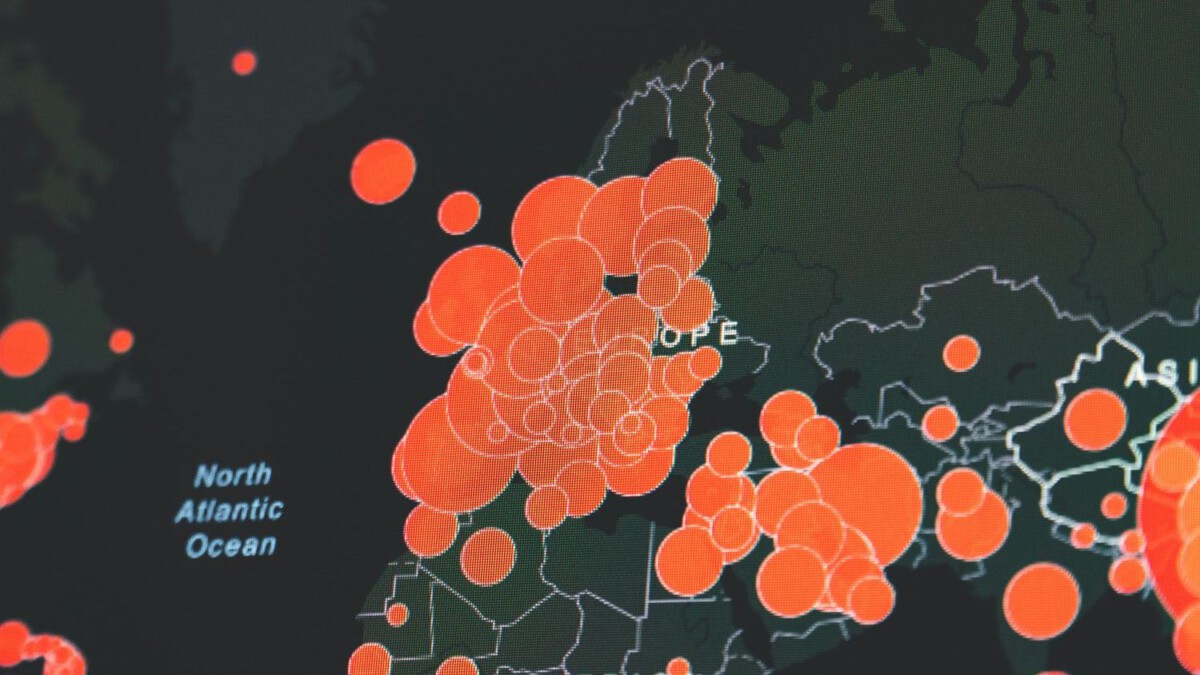
Stocks fall and oil prices gain after Trump warns the Iran ‘clock is ticking’ – Image for illustrative purposes only (Image credits: Unsplash)
Energy costs for households and businesses around the world stand to rise further after U.S. President Donald Trump issued a direct warning to Iran that the clock is ticking on stalled negotiations to end the conflict. The statement, delivered in a social media post following a call with Israeli Prime Minister Benjamin Netanyahu, immediately pushed oil benchmarks higher and prompted investors to trim positions in equities. A weekend drone strike on a United Arab Emirates nuclear power plant added fresh urgency to concerns over supply routes in the Strait of Hormuz, where shipping activity has already slowed sharply since the war began.
Asian Trading Sessions Reflect Growing Caution
Markets across the region opened the week on a defensive note as traders digested the latest escalation in rhetoric. Tokyo’s Nikkei 225 dropped 1 percent to close at 60,815.95, with technology shares leading the retreat after the index had touched record intraday highs above 63,000 just days earlier. Hong Kong’s Hang Seng index fell 1.1 percent to 25,675.18, while Australia’s S&P/ASX 200 slid 1.5 percent to 8,505.30.
China’s Shanghai Composite edged 0.1 percent lower to 4,131.53 after weaker-than-expected economic data for April weighed on sentiment. South Korea’s Kospi managed a modest 0.3 percent gain to 7,516.04, though it had traded lower earlier in the session amid profit-taking following its first close above 8,000 on Friday. Taiwan’s Taiex declined 0.7 percent and India’s Sensex finished nearly flat.
Oil Benchmarks Advance on Supply Concerns
Brent crude, the global benchmark, rose 0.7 percent to $110.05 per barrel, while U.S. crude gained 1 percent to $106.49. Both contracts have moved well above the roughly $70 level seen in late February before the Iran conflict intensified. Traders remain focused on the Strait of Hormuz, which remains largely closed to normal traffic, and on the U.S. sea blockade of Iranian ports imposed last month.
ING commodities strategists Warren Patterson and Ewa Manthey noted that re-escalation risks are increasing even as some shipping activity has picked up in recent days. They cautioned that conditions around the vital waterway can change quickly. The lack of concrete progress from last week’s summit between Trump and Chinese President Xi Jinping in Beijing has also kept markets on edge, despite White House statements that both sides agree the strait must stay open.
Yields Rise as Inflation Pressures Build
Bond markets signaled expectations of higher inflation and tighter policy ahead. The yield on the 10-year Japanese government bond climbed as high as 2.8 percent, its highest level since the late 1990s, after sitting near 2.55 percent just a week earlier. The move reflects the Bank of Japan’s gradual rate increases combined with elevated energy costs.
In the United States, the 10-year Treasury yield reached approximately 4.60 percent, up from 4.47 percent the previous Thursday and well above the nearly 4 percent level that prevailed before the Iran war. On Friday, the S&P 500 had already fallen 1.2 percent from its record close the day before, while the Dow Jones Industrial Average dropped 1.1 percent and the Nasdaq composite lost 1.5 percent.
Stakeholders Watch for Shifts in Negotiations and Shipping
Investors, energy companies, and governments now face several near-term developments that could alter the outlook. Key items to monitor include:
- Any signs of renewed talks between the United States and Iran following Trump’s latest deadline language.
- Changes in tanker traffic through the Strait of Hormuz and around Iranian ports.
- Further statements from Beijing on its willingness to help broker an agreement, given its economic ties with Tehran.
- Updates on the status of the U.S. sea blockade and any additional sanctions.
These factors will determine whether the recent price spikes prove temporary or mark the start of a more sustained period of elevated energy costs.
The situation leaves consumers and industries worldwide facing higher fuel and transportation expenses with no clear resolution in sight.