
Property taxes can quietly eat into monthly budgets for many homeowners across the country. Yet some states keep those burdens noticeably lighter through lower effective rates and targeted relief measures. Recent data from 2025 and 2026 shows clear patterns in where owners pay the least relative to home values.
These differences matter most when comparing actual bills on typical homes rather than just headline rates. Factors like homestead exemptions and assessment caps often play a bigger role than raw percentages alone. The states below stand out consistently in the latest rankings for keeping costs manageable.
Hawaii
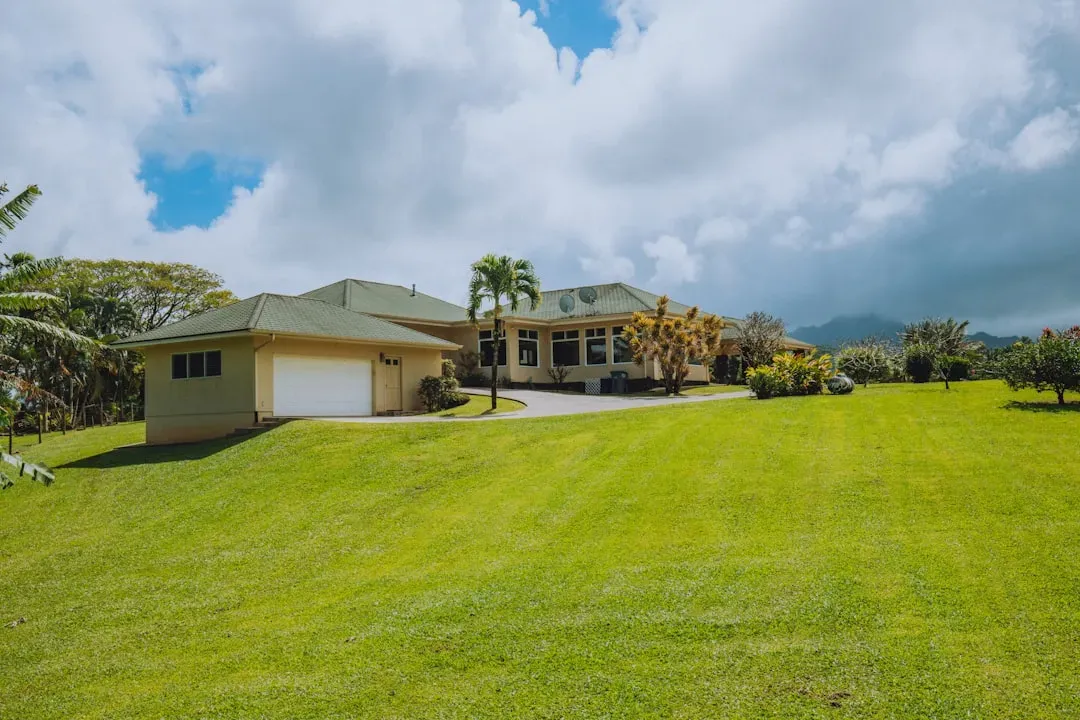
Hawaii posts the lowest effective property tax rate in the nation at roughly 0.27 percent according to multiple 2026 analyses from the Tax Foundation and WalletHub. Home values run high here, yet the actual tax bill on a median-priced house stays modest because the state relies less on property taxes for local services. Owners benefit from this structure year after year without dramatic jumps tied to market swings.
Recent figures show median annual taxes around two thousand dollars even on homes valued near eight hundred thousand. The approach reflects long-standing policy choices that prioritize stability for residents over aggressive revenue collection from real estate. This combination makes the state especially appealing for those planning long-term ownership.
Alabama
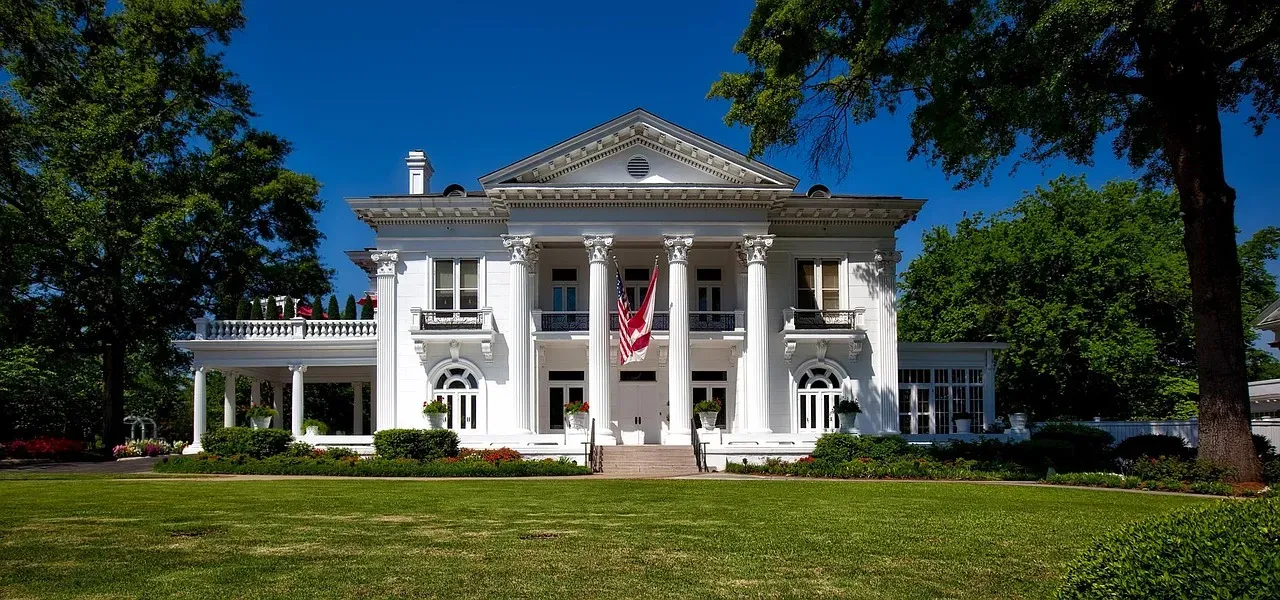
Alabama follows closely with an effective rate near 0.38 percent in the most current Tax Foundation data for 2026. Median home values sit well below the national average, which keeps dollar amounts paid by typical owners especially low. Homestead exemptions further reduce the taxable portion of primary residences in many counties.
Annual bills often fall under one thousand dollars for average properties based on 2025 and 2026 reports. The state maintains this edge through limited reliance on property taxes for funding schools and other services. Homeowners here enjoy predictable costs that rarely spike with rising assessments.
Nevada

Nevada maintains an effective property tax rate around 0.47 to 0.49 percent in recent WalletHub and Tax Foundation rankings. The state avoids income taxes entirely, which indirectly supports homeowners by shifting revenue sources elsewhere. Assessment practices tend to favor gradual adjustments rather than sharp annual increases.
Median taxes on typical homes land near two thousand dollars according to 2026 figures. This setup appeals to retirees and families seeking affordability without sacrificing access to growing communities. Local governments balance budgets without heavy dependence on residential real estate.
Arizona

Arizona delivers an effective rate of about 0.48 percent in the latest available data from sources like SmartAsset and WalletHub. Homestead exemptions and caps on assessment growth help shield primary residences from rapid tax hikes. The state combines these protections with relatively moderate home values in many areas.
Owners typically pay under two thousand dollars annually on median properties as of 2025-2026 estimates. Policy choices here emphasize relief for long-term residents while still funding essential services. The result is a balanced environment that rewards stable homeownership.
Colorado
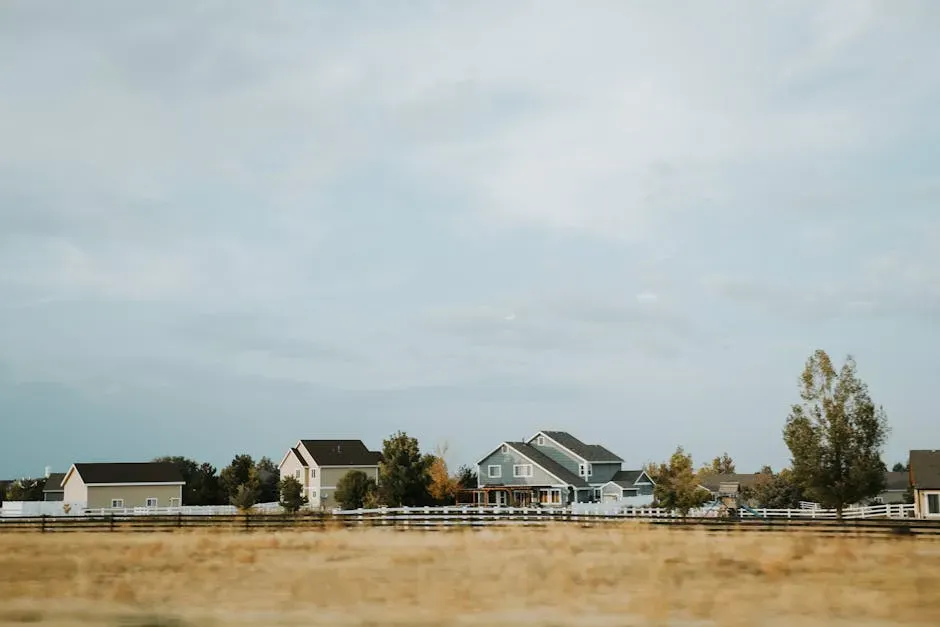
Colorado holds an effective property tax rate near 0.48 to 0.49 percent per 2026 Tax Foundation and WalletHub reports. The state pairs this low rate with strong homestead exemptions that limit how much primary homes can be taxed. Assessment rules also include provisions that slow the pace of increases tied to market gains.
Median annual taxes hover around two thousand six hundred dollars on typical homes. These features create a predictable cost structure that supports families and retirees alike. Recent data confirms the state continues to rank among the more favorable options nationwide.
South Carolina
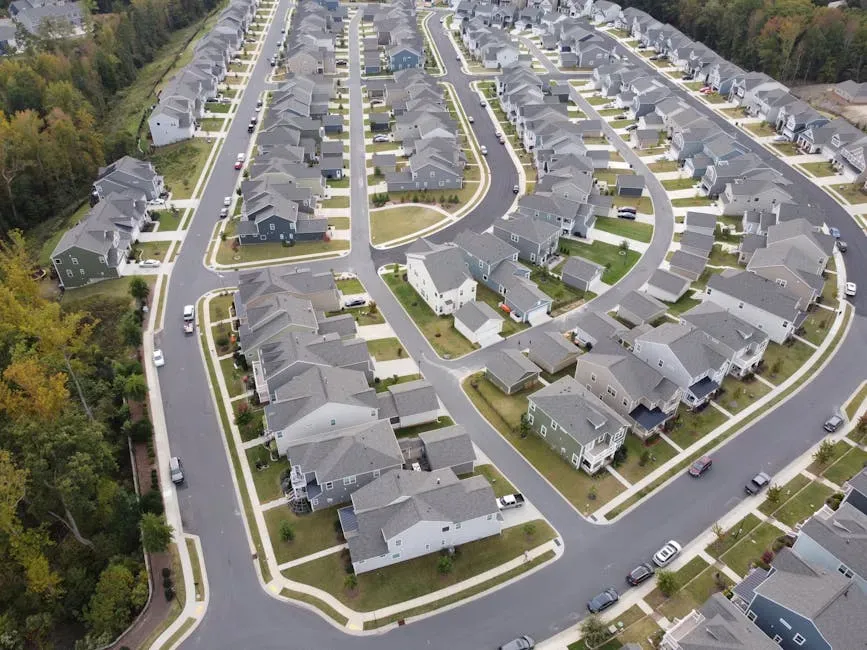
South Carolina rounds out the list with an effective rate of roughly 0.48 to 0.51 percent in current analyses. Homestead exemptions and assessment caps provide meaningful relief for owner-occupied homes. The state keeps overall burdens low while maintaining competitive housing markets in many regions.
Typical annual taxes fall near one thousand two hundred dollars on median-valued properties according to 2026 figures. This approach reflects deliberate choices to ease pressure on residents without compromising local services. Homeowners benefit from the resulting stability over time.
Choosing a state with lower property taxes can meaningfully improve long-term affordability for anyone planning to stay in their home. These six options demonstrate how policy differences translate into real savings without sacrificing quality of life. Homebuyers weighing relocation should review the latest county-level details alongside these statewide trends.