
American history classes often spotlight a handful of familiar names from the nation’s early days. Yet many others shaped the Revolution, the Constitution, and the new government in ways that still echo today. Their stories add depth to what we think we know about how the country began.
These figures worked behind the scenes or in roles that textbooks tend to overlook. Recent historical reviews and museum exhibits continue to highlight their contributions without fanfare. Exploring them reveals a broader cast of people who helped build the framework of the United States.
Gouverneur Morris
Gouverneur Morris served as a key delegate at the 1787 Constitutional Convention in Philadelphia. He drafted large portions of the final document, including the famous opening phrase “We the People.” His elegant writing style helped turn complex debates into clear language that still guides the nation.
Morris also pushed for a strong central government and protections for property rights during those intense summer sessions. He later became the first American minister to France after the Revolution. Historians note his influence through records from the convention itself, as detailed in accounts from the National Archives.
Benjamin Rush
Benjamin Rush signed the Declaration of Independence as a young doctor from Pennsylvania. He treated soldiers during the Revolutionary War and later founded the first free medical clinic in the United States. Rush also advocated for public education and prison reform at a time when such ideas were rare.
His medical writings influenced early American approaches to mental health care. Rush corresponded with many other founders and helped establish Dickinson College. Primary sources from the period, including letters preserved by historical societies, confirm his wide-ranging impact on both medicine and politics.
Abigail Adams

Abigail Adams advised her husband John Adams throughout the push for independence and the early years of the republic. She managed family farms and businesses while he served in Congress and abroad. Her letters urged him to consider the rights of women in the new laws being written.
Abigail raised a future president and maintained an active role in political discussions of the era. Recent biographies draw on her extensive correspondence to show how she shaped ideas about education and family life. These documents remain available through collections at the Massachusetts Historical Society.
Mercy Otis Warren
Mercy Otis Warren wrote plays and pamphlets that criticized British rule and rallied support for the Patriot cause. Her work reached wide audiences in colonial newspapers and helped build public opinion against the crown. Warren also corresponded with many leading figures of the Revolution.
She later authored a three-volume history of the American Revolution that offered one of the first detailed accounts from an American perspective. Her writings provide valuable insights into the political climate of the time. Scholars continue to study her papers at institutions like the American Antiquarian Society.
John Witherspoon
John Witherspoon came from Scotland to lead the College of New Jersey, now Princeton University. He signed the Declaration of Independence as the only clergyman to do so. Witherspoon taught many future leaders, including James Madison, and shaped early American higher education.
His sermons and essays blended religious faith with support for liberty during the war years. Witherspoon served in the Continental Congress and helped secure resources for the fight. Records from Princeton and congressional archives document his steady contributions across both education and politics.
Roger Sherman
Roger Sherman represented Connecticut in the Continental Congress and signed four major founding documents. He helped craft the Great Compromise that balanced representation between large and small states. Sherman brought practical experience from his work as a surveyor and merchant to the debates.
His steady presence at key meetings earned respect from colleagues who valued his clear thinking. Sherman later served as a U.S. senator and helped establish early federal courts. Congressional records and state historical collections preserve evidence of his consistent role in building the new government.
Lemuel Haynes
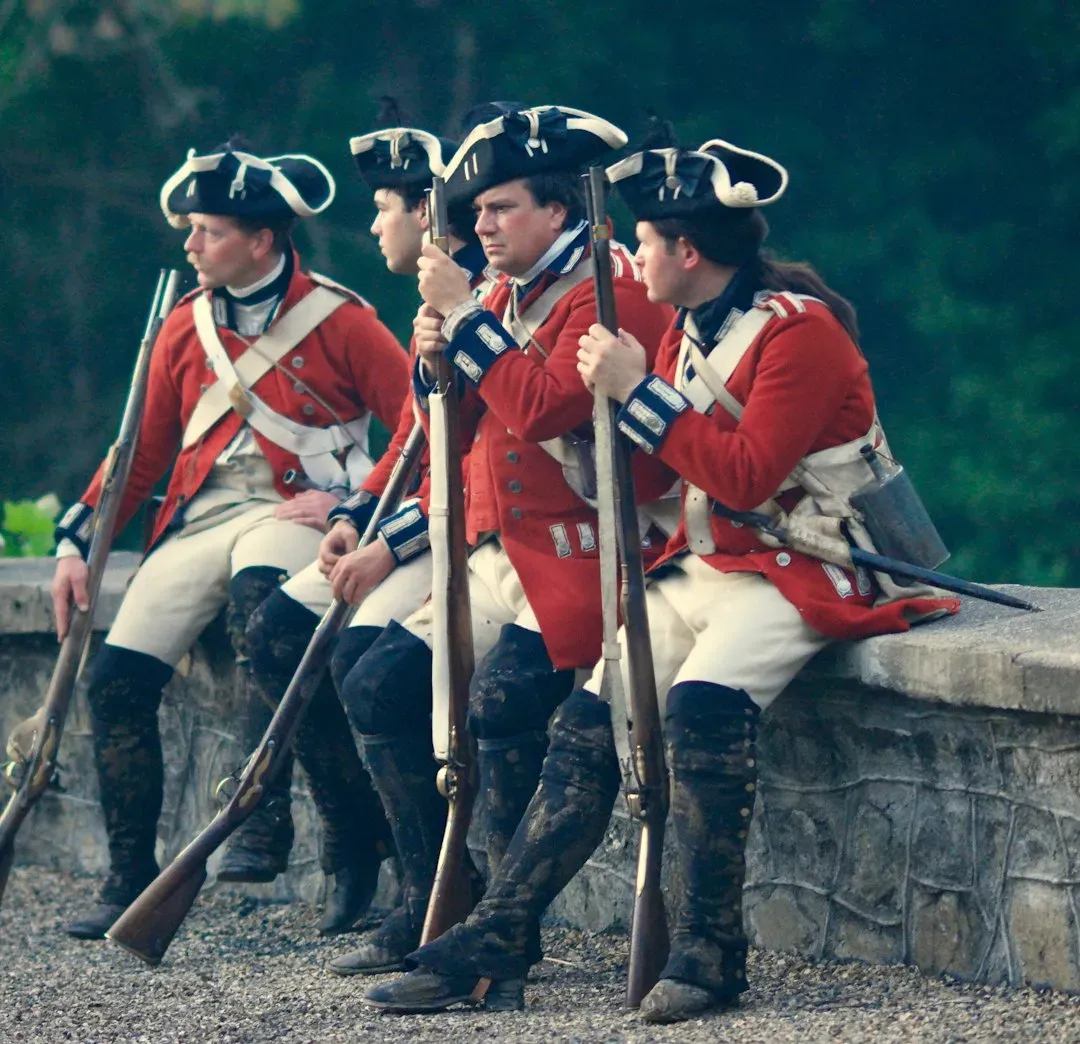
Lemuel Haynes fought in the Revolutionary War after enlisting in the Massachusetts militia. Born to a white mother and Black father, he later became one of the first African American ministers ordained in the United States. Haynes preached against slavery and wrote essays on liberty and faith.
His military service and later pastoral work connected the ideals of the Revolution to broader questions of equality. Haynes served congregations in New England for decades. Historical societies in Vermont and Massachusetts hold his sermons and personal papers that illustrate his lifelong commitment to both country and conscience.
William Hooper
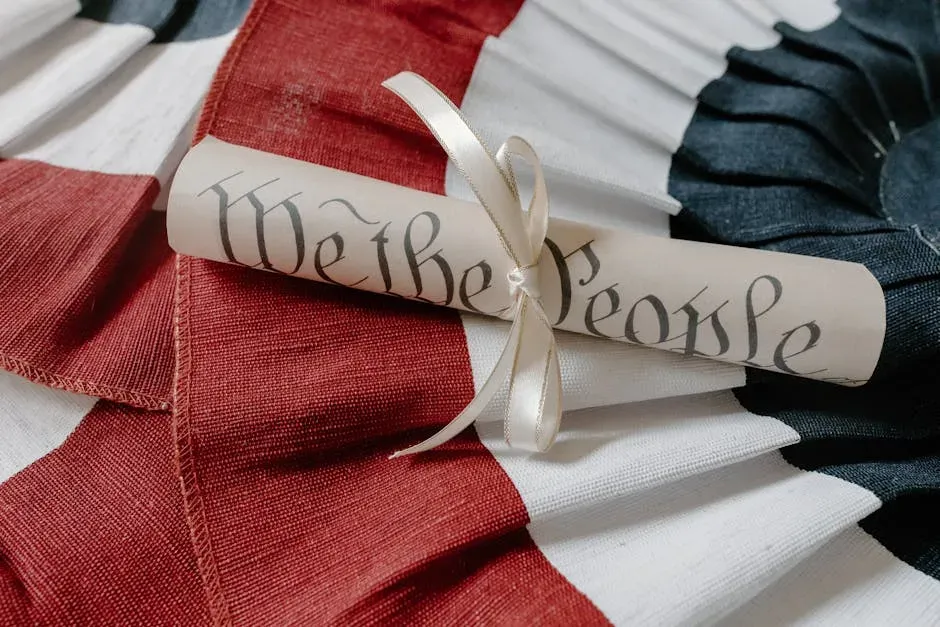
William Hooper signed the Declaration of Independence for North Carolina after moving there from Massachusetts. He worked to build support for independence among southern delegates during tense congressional sessions. Hooper also helped draft early state constitutions that influenced later national structures.
His legal background proved useful in navigating the shift from colonial rule to self-government. Hooper faced personal risks for his public stance against Britain. State archives in North Carolina contain letters and resolutions that trace his efforts to secure ratification of key founding agreements.
David Avery
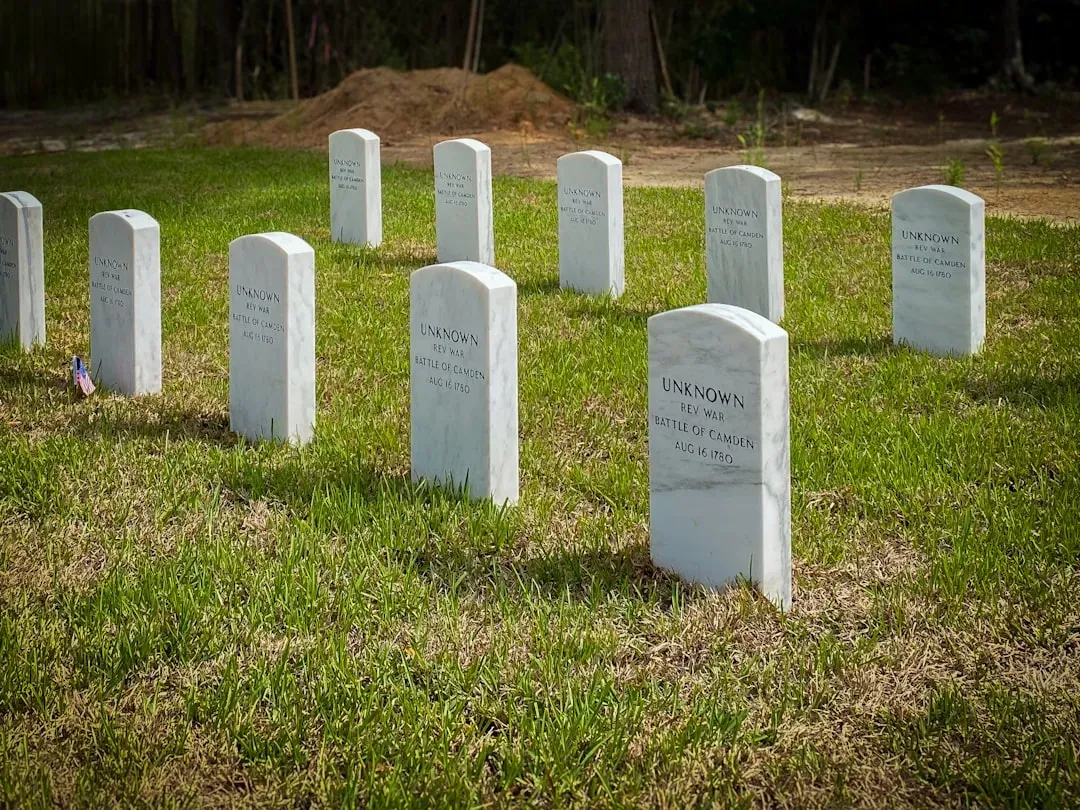
David Avery served as a chaplain in the Continental Army under George Washington. He delivered sermons that encouraged troops during harsh winters and difficult campaigns. Avery kept detailed journals that captured daily life in the ranks and the spiritual side of the fight for independence.
After the war he continued preaching in New England communities still recovering from conflict. His writings offer firsthand views of how religion supported morale throughout the Revolution. Collections at historical libraries preserve these journals as important records of the era’s military and moral landscape.
Haym Salomon
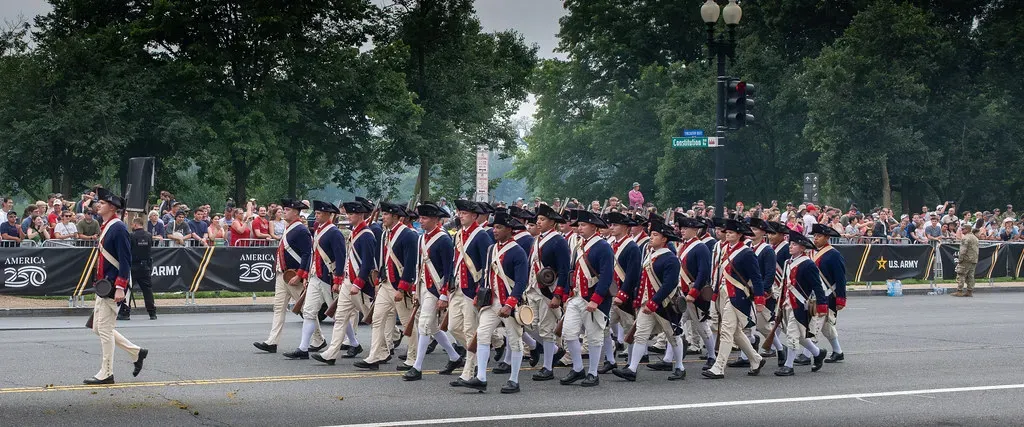
Haym Salomon arrived in America from Poland and quickly supported the Patriot cause through financial networks. He helped raise funds and arrange loans that kept the Continental Army supplied during critical periods. Salomon worked with French and Dutch bankers to secure credit when American resources ran low.
His efforts behind the scenes proved essential to sustaining the war effort over several years. Salomon died in relative poverty after the conflict, yet his role in wartime finance remains documented in treasury records. Later historical studies have drawn attention to these contributions through primary financial ledgers from the period.
Conclusion
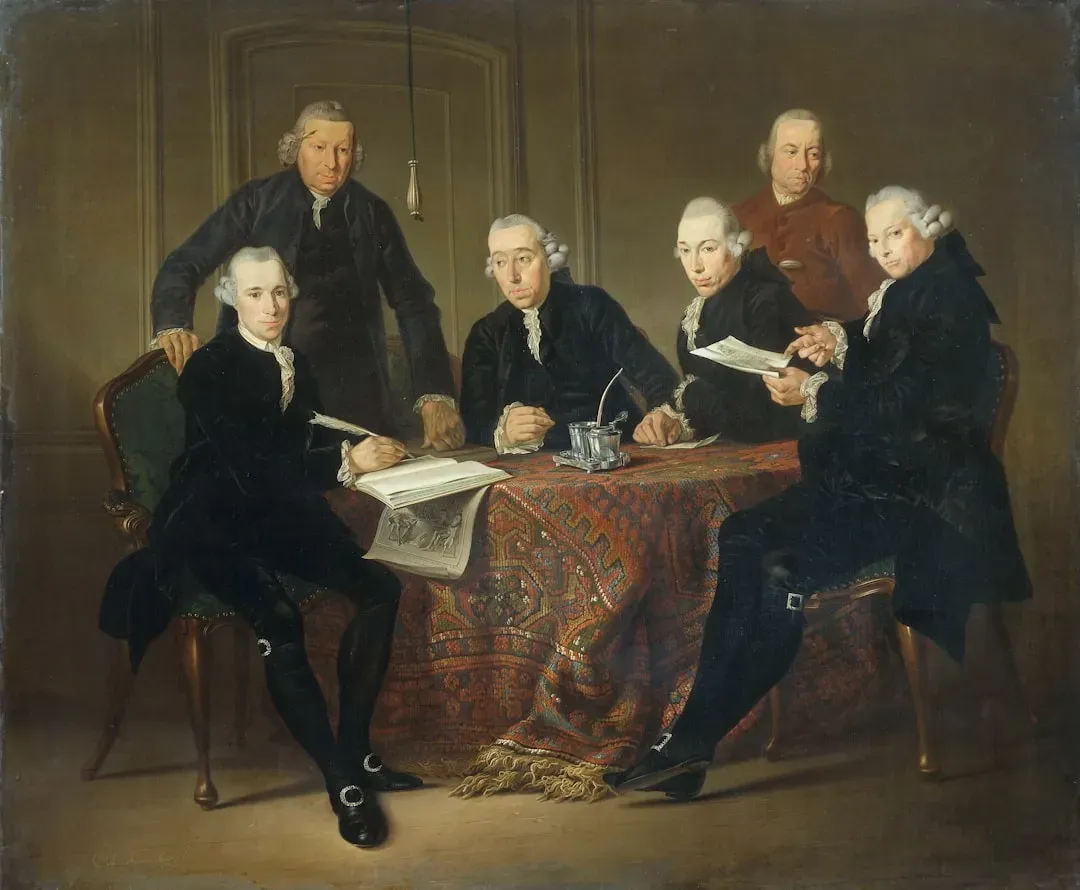
These ten figures remind us that the founding of the United States involved far more voices than the usual short list suggests. Their work in drafting documents, raising funds, offering counsel, and sustaining morale helped turn revolutionary ideas into lasting institutions. Each one faced unique challenges yet left tangible marks on the country’s early development.
Looking back at their stories encourages a fuller picture of how the nation took shape. Museums and archives continue to bring these contributions into view for new generations. Their examples show that steady, often quiet effort can shape history just as much as famous speeches or battles.