
Understanding the Harsh Ingredients in Liquid Cleaners
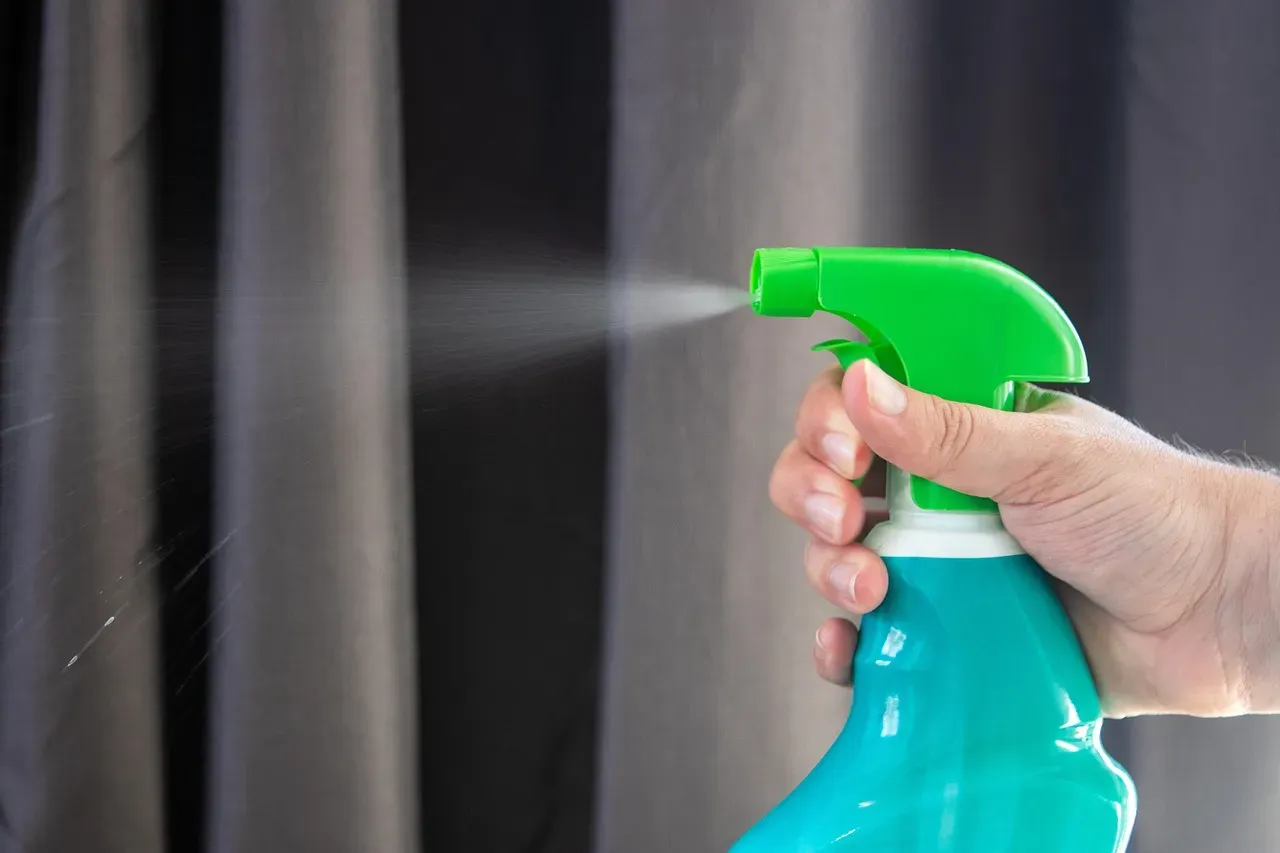
Liquid drain cleaners rely on strong chemicals such as sodium hydroxide and sulfuric acid to break down organic matter. These compounds create powerful reactions that dissolve grease and hair quickly. Over time the same ingredients begin to interact with pipe surfaces in ways that manufacturers rarely highlight on the label.
Plumbing reports from 2025 point out that frequent exposure leaves residues that continue working long after the clog clears. The result is gradual thinning of pipe walls rather than an immediate failure. Homeowners often notice the problem only when water starts seeping where it should not.
The Heat Reaction That Weakens Pipe Materials
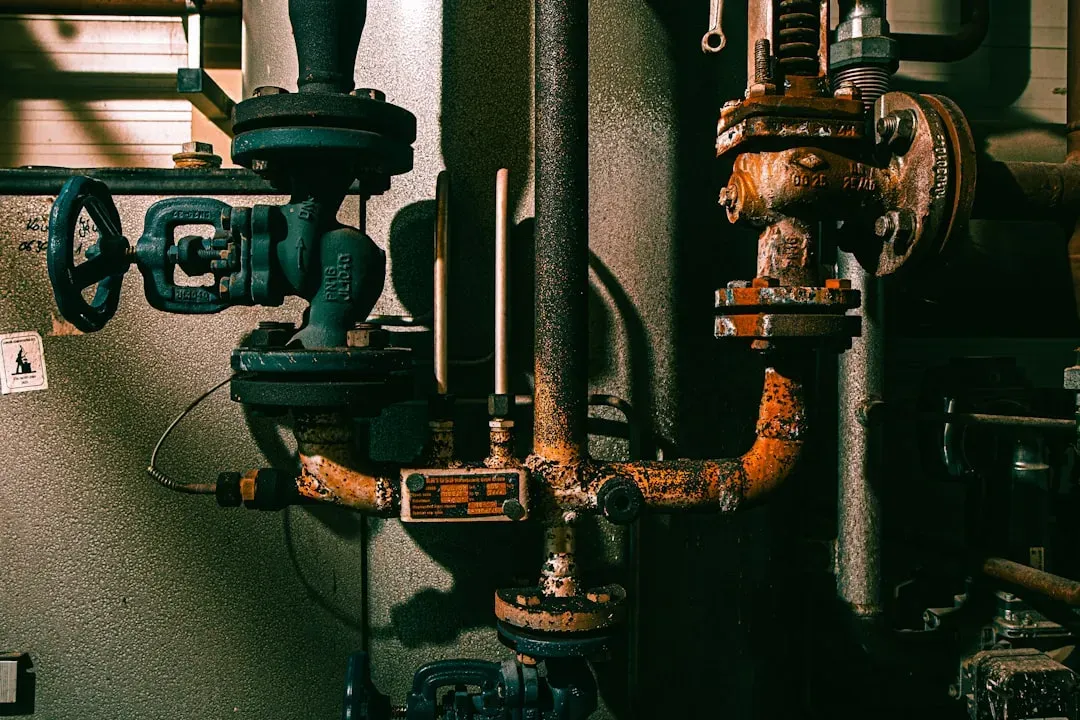
When these cleaners activate they generate significant heat as part of the chemical process. That heat helps dissolve blockages but also softens surrounding materials. Plastic pipes in particular lose structural integrity when temperatures rise repeatedly in the same spot.
Experts writing in February 2025 noted that the combination of heat and caustic action accelerates wear on joints and seals. A single use might seem harmless yet multiple treatments compound the stress. Pipes that once handled daily flow begin to show small cracks that grow over months.
Corrosion Effects on Modern PVC Systems
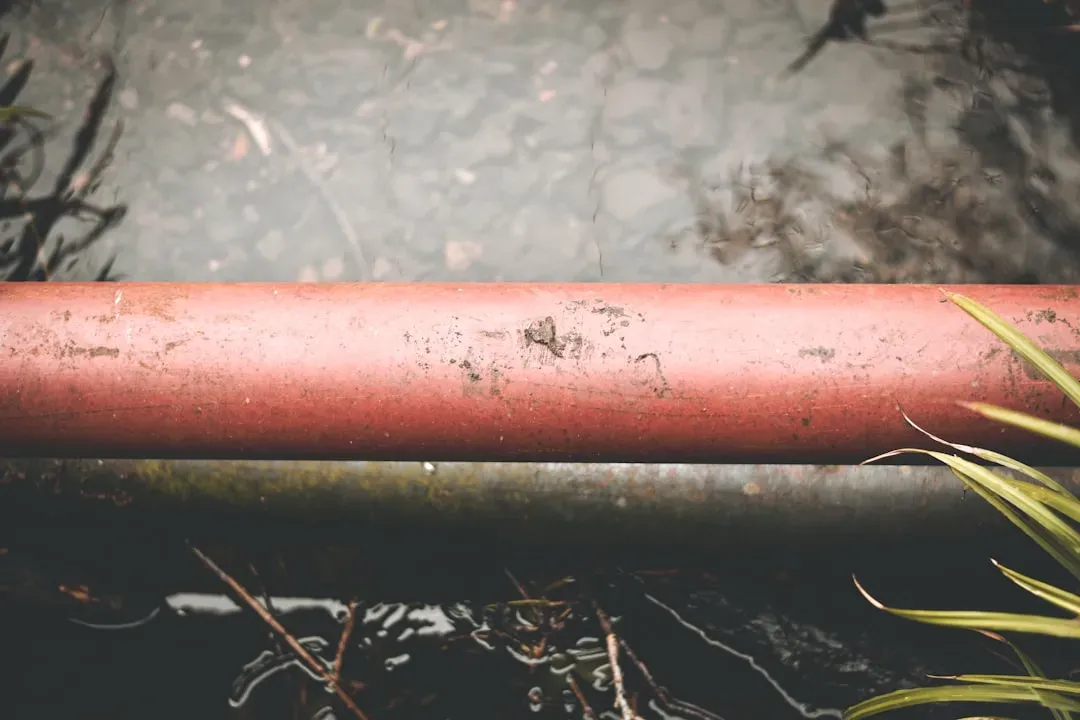
PVC pipes installed in newer homes are not immune despite their reputation for durability. The acid in many liquid cleaners can etch the interior surface and create rough spots where debris collects. Over repeated applications these rough areas become weak points prone to splitting.
Service providers in 2025 documented cases where PVC lines developed leaks directly linked to overuse of chemical products. The damage often starts near the trap and travels outward. Homeowners end up facing full section replacements instead of a simple clog fix.
Damage to Traditional Metal Plumbing
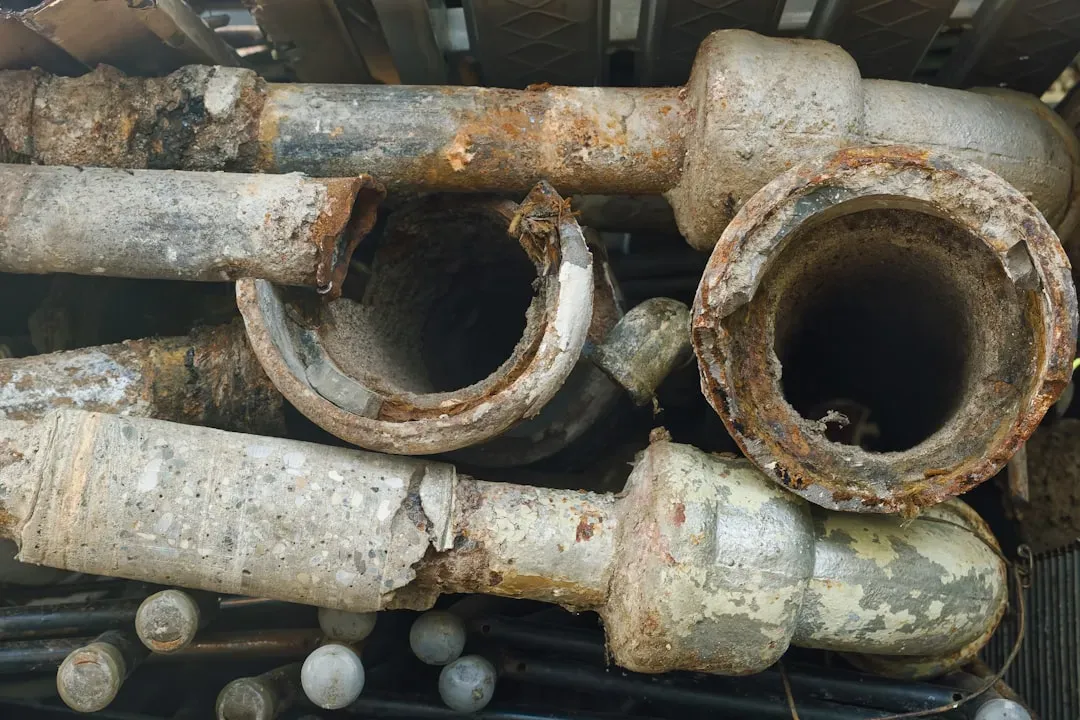
Older homes with galvanized steel or copper pipes face even faster deterioration. The chemicals strip away protective layers and expose bare metal to ongoing corrosion. Once started this process continues even after the cleaner has been flushed away.
Articles from mid-2025 describe how metal pipes in basements and under floors suffer the most because liquids pool there. Small pinholes form first and then expand into larger openings. What began as a convenient fix turns into water damage behind walls.
How Overuse Leads to Unexpected Leaks
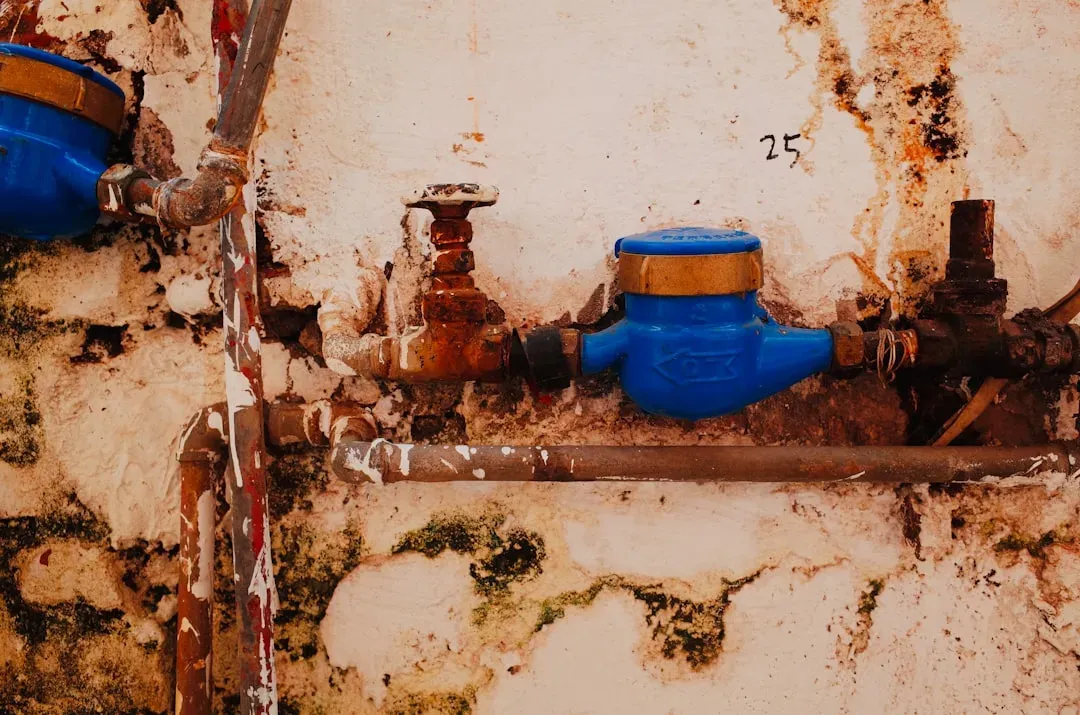
Leaks rarely appear right after the first bottle is poured. Instead they develop slowly as pipe walls thin and joints loosen. By the time moisture shows on ceilings or floors the original clog issue has been replaced by a much larger plumbing problem.
Recent observations from plumbing companies indicate that many emergency calls trace back to months of regular chemical use. The hidden nature of the damage makes it easy to overlook until water appears in unexpected places. Prevention at this stage requires more than another bottle from the store.
The Financial Burden of Pipe Replacements
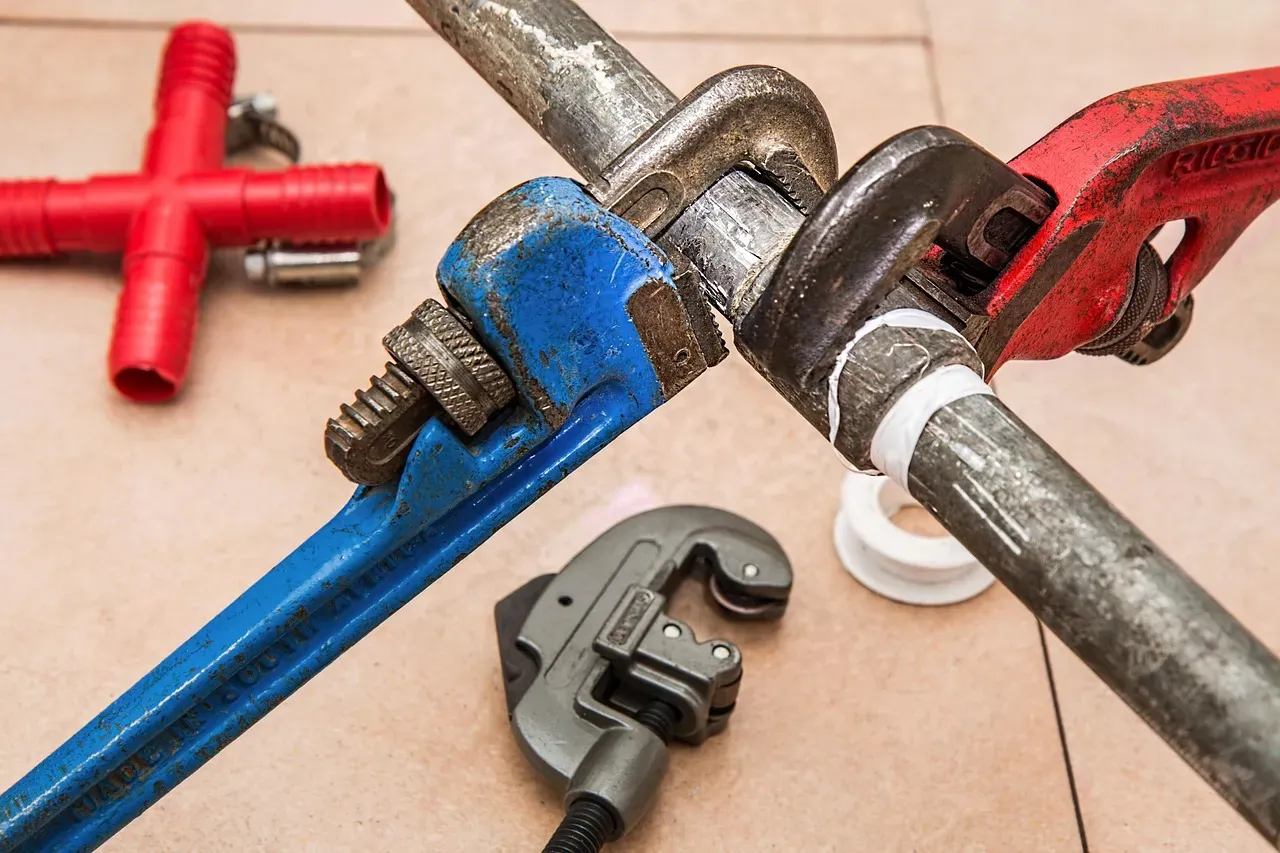
Replacing sections of damaged pipe often costs thousands of dollars once walls or floors must be opened. Labor and materials add up quickly especially when multiple rooms are involved. What started as a few dollars per bottle becomes a major household expense.
Reports throughout 2025 and into 2026 emphasize that repeated chemical treatments shorten the lifespan of entire plumbing systems. Families then face unplanned renovations at inconvenient times. Budgeting for professional maintenance early avoids these larger outlays later.
Safety Hazards During and After Application
Fumes from liquid cleaners irritate eyes and lungs even when used according to directions. Splashes on skin cause burns that require medical attention in some cases. Children and pets face additional risks if residues remain on surfaces near drains.
Health concerns extend beyond the moment of use because lingering vapors can affect indoor air quality. Many users report headaches and respiratory discomfort after several applications. Safer habits reduce both pipe damage and personal exposure at the same time.
Effects on Septic Systems and Home Infrastructure
Homes with septic tanks experience extra complications when harsh chemicals reach the tank. Beneficial bacteria that break down waste get killed off leading to backups and odors. The entire system then requires more frequent pumping and possible repairs.
Plumbing guides updated in 2025 warn that these products can also affect water heaters and other connected appliances. Corrosion travels through the lines and shortens equipment life. Homeowners with septic setups benefit most from avoiding chemical cleaners altogether.
Why Professional Help Often Becomes Necessary
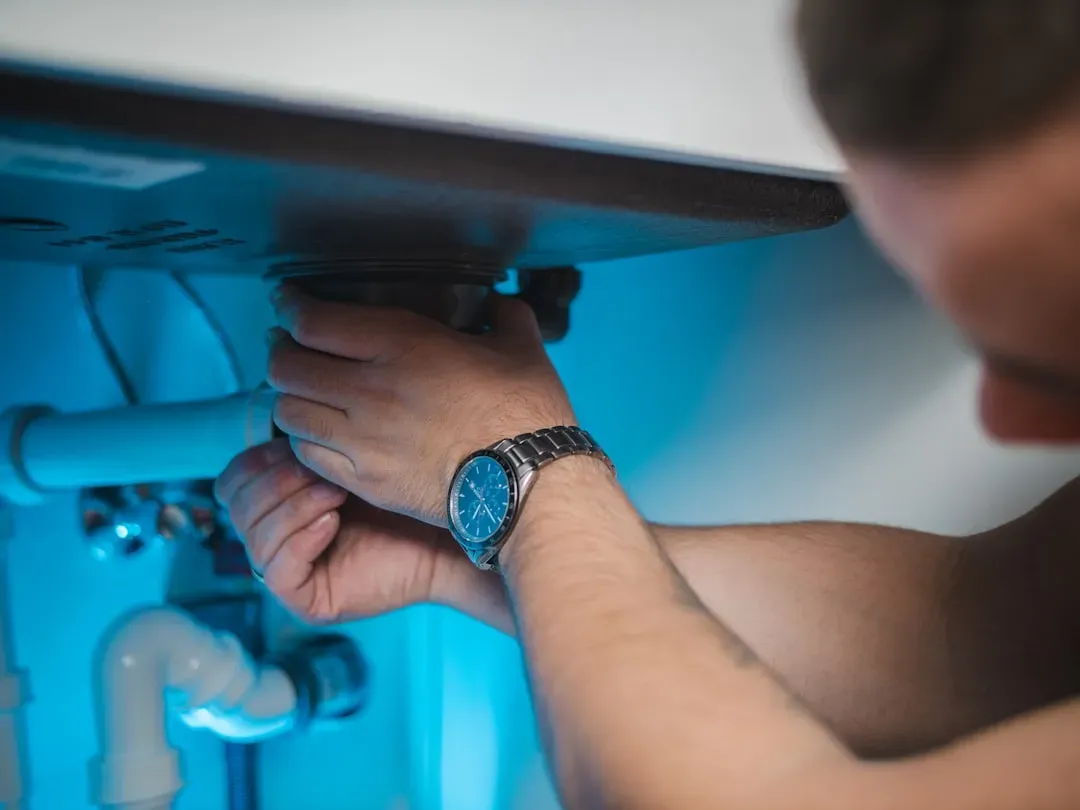
Plumbers frequently encounter situations where chemical use has made mechanical clearing more difficult. Residues left behind can interfere with snakes and cameras used for diagnosis. The original simple clog turns into a complex job that demands specialized tools.
Service records from 2025 show increased calls for pipe inspections after homeowners tried multiple bottles without success. Early professional intervention prevents escalation. A quick visit often resolves issues before hidden damage spreads further.
Steps to Maintain Drains Without Chemicals
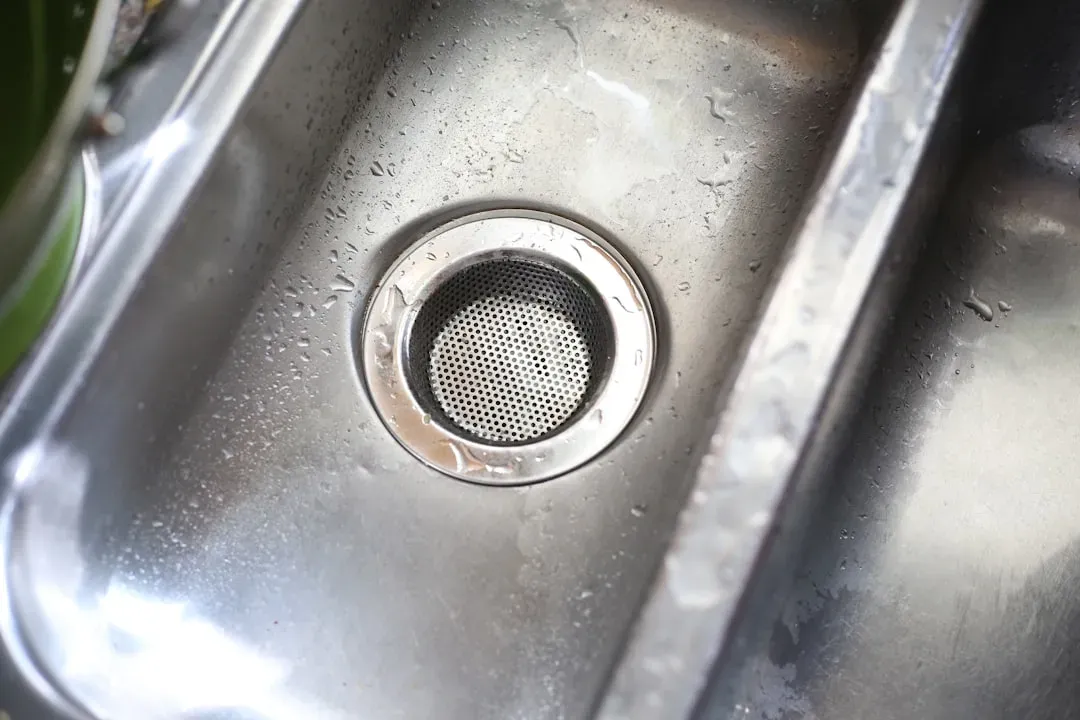
Regular use of a plunger or drain snake clears most minor blockages safely. Boiling water poured slowly can loosen grease without introducing corrosive agents. Enzyme-based cleaners offer a gentler option that targets organic matter while sparing pipe materials.
Simple habits like installing mesh strainers and avoiding grease down the sink reduce the need for any cleaner. These practices keep water flowing and protect the plumbing investment over many years. Homeowners who adopt them report fewer surprises and lower long-term costs.