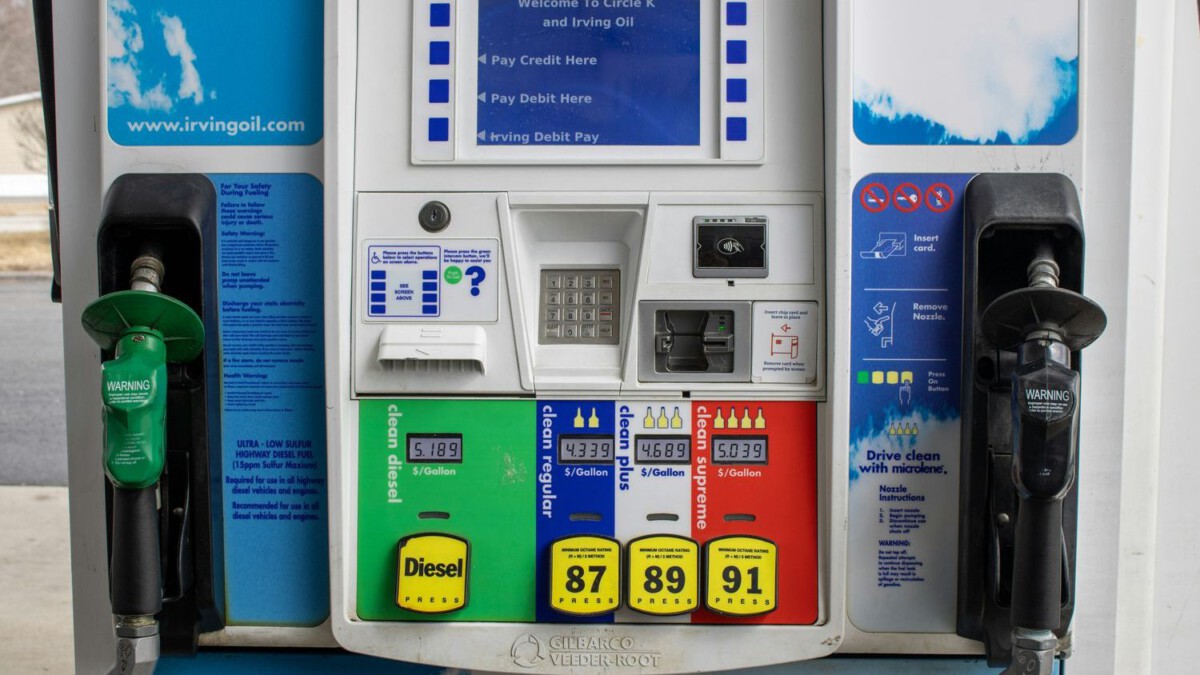
As gas prices surge, consumers search for other savings – Image for illustrative purposes only (Image credits: Unsplash)
The national average price for a gallon of gasoline now stands at $4.50. That figure marks an increase of more than $1.50 since the start of the conflict with Iran. The change has arrived steadily rather than overnight, yet its cumulative effect on household spending has become impossible to ignore. Families that once treated fuel as a routine expense now review every mile driven and every trip planned.
The Steady Climb in Fuel Costs
Gasoline prices began rising at the outset of the conflict and have continued upward without interruption. The latest national average reflects that consistent upward movement across regions. Motorists who filled their tanks at lower levels earlier in the year now face a noticeably different reality at the pump. The increase has unfolded over weeks rather than days, giving households time to notice the difference but little opportunity to avoid it entirely.
Pressure on Household Budgets
Many American families report reallocating money that once went toward groceries, entertainment, or savings. The added cost per fill-up varies by vehicle size and driving habits, yet the pattern remains the same across urban and rural areas alike. Commuters who travel longer distances each week feel the adjustment most directly. Even occasional drivers notice the difference when planning weekend errands or family visits.
Budget planners describe the change as one more layer in an already tight cost-of-living picture. Some households have delayed nonessential purchases while others have shortened vacation plans that involve significant driving. The effect reaches beyond individual wallets to local businesses that rely on steady customer traffic.
Practical Steps Drivers Are Taking
People are responding with a range of adjustments that focus on reducing fuel use without major lifestyle upheaval. Common approaches include combining multiple errands into single outings and choosing routes that avoid heavy traffic. Some drivers have begun carpooling with coworkers or neighbors for regular commutes.
Others pay closer attention to vehicle maintenance, such as keeping tires properly inflated and following recommended service schedules. A smaller number have shifted toward public transit or walking for shorter trips when feasible. These changes add up over time and help offset part of the higher per-gallon cost.
- Combine errands to cut total miles driven each week
- Maintain proper tire pressure and regular tune-ups
- Carpool or use public transit for daily commutes
- Plan routes to avoid congestion and idling
- Consider fuel-efficient driving habits like steady speeds
Looking Forward
Households continue to monitor price movements while refining the habits they have already adopted. The current average serves as a reminder that fuel remains a significant variable in monthly expenses. Many drivers expect to maintain these adjusted routines even if prices stabilize. The focus has shifted from reacting to one price jump toward building more durable ways to manage transportation costs over the longer term.