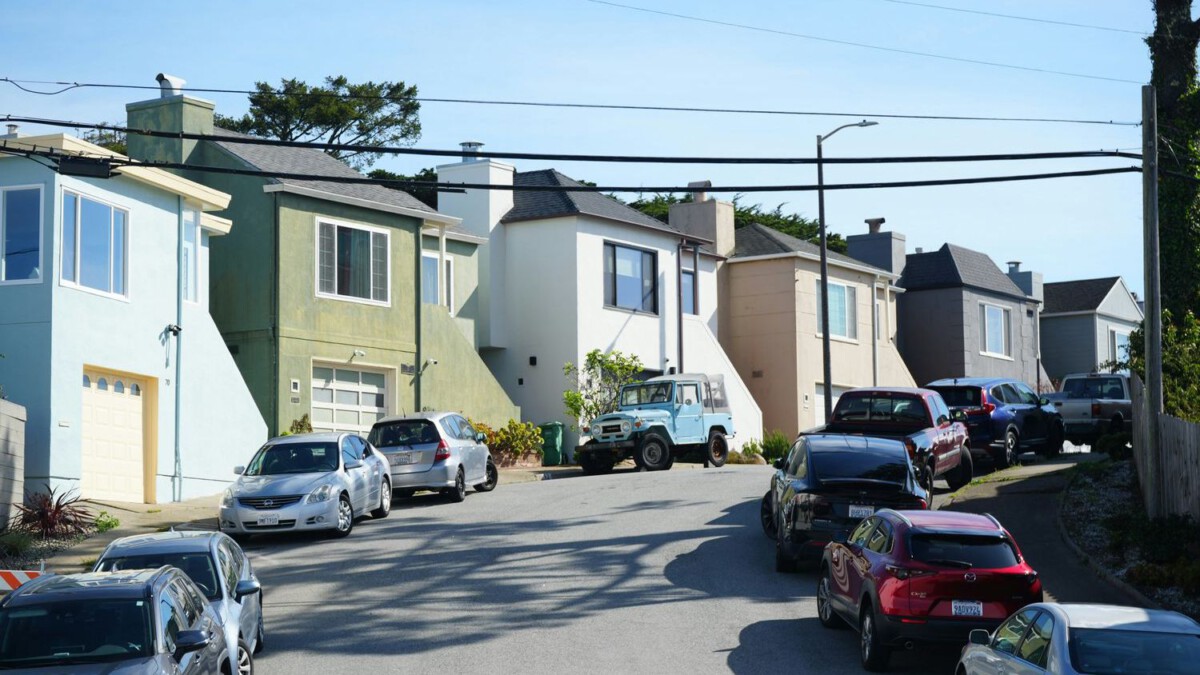
Why San Francisco’s Housing Market Is Bucking National Trend – Image for illustrative purposes only (Image credits: Unsplash)
Residents across San Francisco are watching housing costs climb once more, even as many other parts of the country see prices stabilize or ease. The difference traces directly to the concentration of artificial intelligence companies and the talent they continue to draw into the city. This local surge stands in clear contrast to broader national patterns, where higher interest rates have slowed buyer activity in most regions. The result is renewed pressure on affordability for people who already live and work in the Bay Area.
National Housing Trends Show Broad Cooling
Across much of the United States, home sales have slowed noticeably in recent quarters. Elevated mortgage rates have kept many potential buyers on the sidelines, and inventory levels have risen in several major markets. Economists tracking these shifts note that price growth has flattened or turned slightly negative outside a handful of high-demand pockets.
San Francisco has moved in the opposite direction. Median sale prices have posted consistent gains over the past year, according to local real estate data. The city’s limited supply of available homes has combined with steady demand from new arrivals tied to technology firms. This divergence has drawn attention from analysts who follow regional differences in the housing sector.
AI Companies Drive Fresh Demand
Technology firms focused on artificial intelligence have expanded operations in San Francisco at a rapid pace. These companies require specialized engineers and researchers, many of whom relocate with competitive compensation packages. The influx has increased competition for existing housing stock, particularly in neighborhoods close to downtown and the waterfront.
Office leasing activity tied to these firms has also risen, signaling longer-term commitments to the city. Unlike earlier technology cycles that emphasized remote work, current AI development often benefits from in-person collaboration. This preference has translated into sustained interest in residential properties near employment centers.
Everyday Residents Face Rising Costs
Longtime San Francisco households report tighter budgets as rents and purchase prices move upward. Teachers, service workers, and mid-level professionals describe having fewer options within reasonable commuting distance. Some have extended their searches into neighboring counties, adding time and expense to daily routines.
Young families in particular note the challenge of securing stable housing before starting or expanding households. The gap between local wages outside the technology sector and prevailing home prices continues to widen. Community organizations tracking these trends highlight increased displacement risks for lower-income residents.
Stakeholders Watching the Next Phase
Several groups stand to feel the effects most directly as the situation develops:
- Current renters seeking to buy their first home in the city
- Technology employees arriving with relocation support
- Local businesses that rely on a stable workforce outside the AI sector
- City planners evaluating new housing construction timelines
- Investors assessing whether the current momentum will hold
Each of these parties is adjusting plans based on the pace of AI sector growth and any shifts in national interest rates. Local government discussions have turned toward ways to increase housing supply without disrupting existing neighborhoods.
Longer-Term Implications for the City
The current pattern suggests that San Francisco’s housing market may remain sensitive to developments in artificial intelligence for the foreseeable future. Continued expansion by these firms could sustain price pressure, while any slowdown in hiring or funding might ease demand. Policymakers and residents alike are weighing how to balance economic gains from the sector against the need for broader affordability.
Observers note that the outcome will depend on both corporate decisions and broader economic conditions. For now, the city’s housing dynamics reflect a clear split from national trends, with AI activity serving as the primary driver.