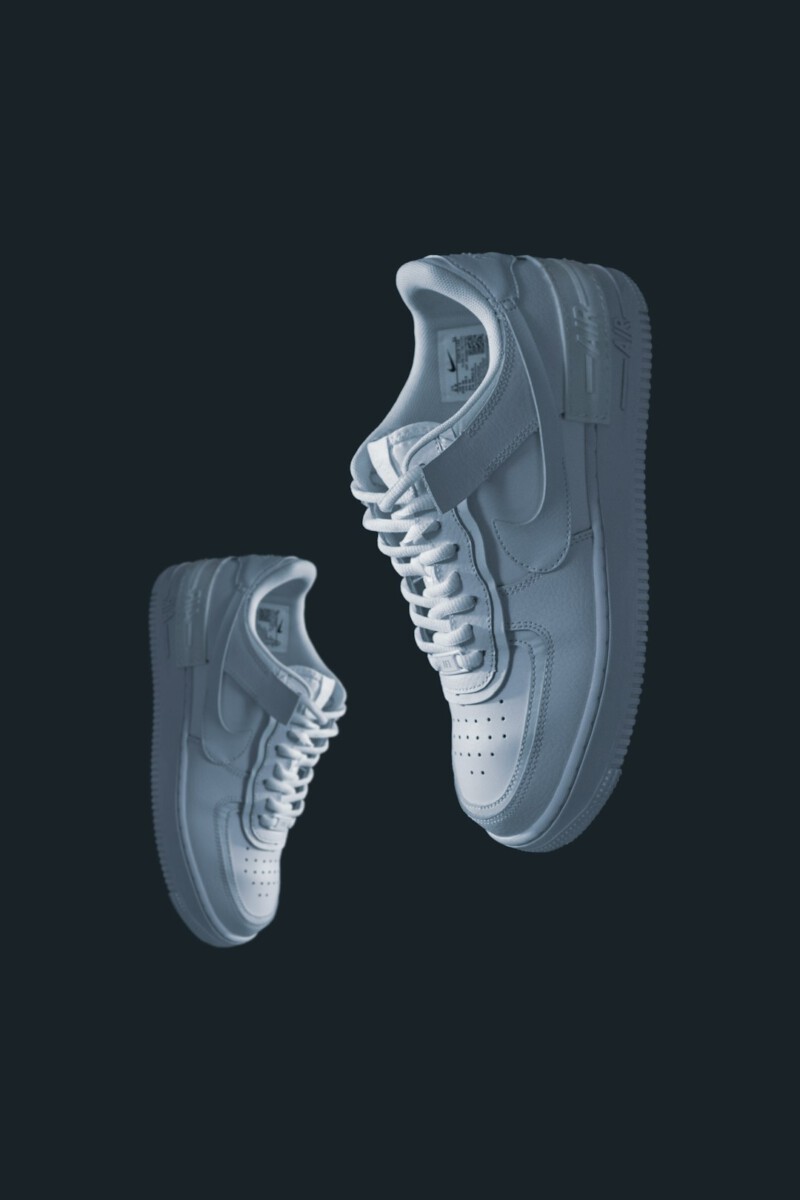
A Stunning Departure from Sustainable Footwear (Image Credits: Unsplash)
Allbirds, once a symbol of sustainable fashion in Silicon Valley, has unveiled a plan that defies its footwear roots. The company known for minimalist wool sneakers now aims to enter the booming AI sector by leasing high-performance graphics processing units. This shift comes after years of retail struggles and a fire sale of its assets, marking one of the most unconventional corporate transformations in recent memory.
A Stunning Departure from Sustainable Footwear
The announcement caught industry observers off guard, as Allbirds detailed its intent to pivot entirely toward AI compute infrastructure. In a recent press release, the firm outlined a vision to evolve into a provider of GPU-as-a-Service and AI-native cloud solutions.Executives described the move as a foundational step backed by $50 million in convertible debt from an unnamed investor.
Under the rebranded “NewBird AI,” the company plans to acquire premium hardware and offer it through long-term leases to clients facing shortages in AI computing power. This “neocloud platform” promises to address the intense demand for GPUs, which power much of the current artificial intelligence surge. Gamers and tech leaders alike have lamented the supply constraints driving up costs.
Tracing the Retail Giant’s Downward Spiral
Allbirds rose to prominence nearly a decade ago with its eco-conscious Wool Runners, appealing to a Bay Area crowd that prized simplicity and environmental responsibility. The shoes, crafted from natural materials, stood apart from flashy athletic brands and quickly became a staple for tech professionals.
Following a successful public offering, Allbirds expanded aggressively into physical stores. However, sales faltered, prompting opportunistic closures that escalated into a near-total shutdown of retail locations earlier this year. CEO Joe Vernachio framed these moves as essential for achieving profitable growth under a turnaround strategy.
Failed Turnarounds and a Fire Sale
Efforts to revive the brand included a brief foray into high-fashion designs aimed at broadening appeal. That initiative proved fleeting, and by the next month, Allbirds agreed to sell its assets for just $39 million – a steep drop from its peak valuation of $4 billion. American Exchange Group, owner of brands like Aerosoles and Ed Hardy, acquired the remnants.
Vernachio called the deal a platform for future success, building on prior restructuring efforts. Yet the transaction left the company in a vulnerable position, setting the stage for its latest, most improbable direction.
Pivots That Defy Logic: Allbirds in Context
Corporate reinventions often spark skepticism, but Allbirds’ leap from shoes to silicon stands out for its sheer audacity. Past examples include RadioShack’s foray into cryptocurrency, complete with its own token and provocative social media campaigns. That venture highlighted the desperation of fading retailers seeking relevance.
Even more extreme was Long Island Iced Tea Corp’s rebranding to Long Blockchain Corp in 2017, which briefly inflated its stock before drawing SEC charges for insider trading. While Allbirds’ strategy lacks the overt hype of those cases, it shares the pattern of distressed brands chasing hot trends.
- RadioShack launched $RADIO amid declining electronics sales.
- Long Blockchain’s name change triggered a short-term price surge.
- Allbirds now targets AI hardware amid footwear market saturation.
- Each pivot reflects broader pressures on legacy consumer brands.
Key Takeaways
- Allbirds secures $50 million to fund GPU purchases and long-term leasing.
- The pivot follows store closures and an asset sale valuing the firm at $39 million.
- Rebranding to NewBird AI signals a full departure from its apparel origins.
As Allbirds sheds its shoe-making identity for AI ambitions, questions linger about execution in a competitive cloud market dominated by giants. The move underscores how economic pressures can force even iconic brands into uncharted territory. Will this gamble restore stability, or prove another misstep? Share your thoughts in the comments below.