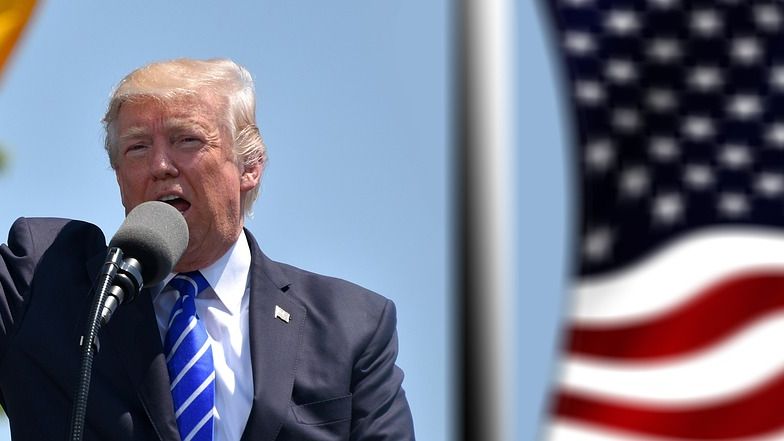
Trump falters on the economy among Republicans but shows resilience on immigration and overall approval: AP-NORC poll – Image for illustrative purposes only (Image credits: Pexels)
Washington – A fresh survey from the Associated Press and NORC Center for Public Affairs Research points to uneven support for former President Donald Trump within his own party. The findings arrive at a moment when economic pressures continue to shape voter priorities ahead of upcoming elections. Republicans appear more divided on how Trump has handled the economy than on other signature issues.
Why the Numbers Matter Now
The poll captures a snapshot of opinion at a time when inflation, job growth, and household costs remain top concerns for many voters. Shifts in sentiment among core Republican supporters can influence primary challenges, fundraising, and the broader message the party carries into the next cycle. Lawmakers and strategists often watch these internal party readings closely because they signal where resources and messaging may need adjustment.
Stakeholders ranging from campaign advisers to state party officials track such data to gauge whether economic dissatisfaction could translate into lower turnout or calls for new leadership. The survey also offers a baseline for comparing Trump’s standing against potential rivals within the Republican field.
Economic Performance Draws Noticeable Pushback
Among Republicans and Republican-leaning independents, ratings for Trump’s handling of the economy have softened compared with earlier measurements. Respondents cited concerns over prices, supply chains, and long-term growth as reasons for the dip. This softening stands out because economic stewardship has long been viewed as a relative strength for Trump in past polling.
The decline does not appear uniform across all demographic slices of the party. Older voters and those in rural areas showed somewhat steadier views, while suburban and younger Republicans registered more pronounced reservations. Analysts note that these patterns could affect turnout in key battleground districts where economic messaging has historically driven participation.
Immigration Remains a Point of Strength
In contrast, Trump continues to receive solid marks from the same group on immigration and border security. The poll indicates that his long-standing emphasis on enforcement and restrictions continues to resonate with the Republican base. This resilience suggests the issue still serves as a unifying theme even when other topics produce more mixed reactions.
Party members appear to credit Trump with keeping immigration at the center of national debate. The consistency on this front may help offset some of the economic concerns reflected elsewhere in the survey. Campaign operatives have long treated immigration as a reliable mobilizer, and the current data reinforces that view.
Overall Approval Shows Limited Erosion
Trump’s broader approval rating among Republicans has not moved dramatically despite the economic softening. The poll finds that overall favorability remains within a range that has characterized much of his time in the national spotlight. This steadiness points to a durable core of support that extends beyond any single policy area.
Still, the combination of economic softness and immigration strength creates a nuanced picture for strategists. It suggests that future messaging may lean more heavily on border issues while seeking ways to address pocketbook worries without alienating the base.
What matters now: The survey underscores that Republican voters are not monolithic. Economic dissatisfaction could prompt renewed focus on policy alternatives, while immigration loyalty offers a reliable foundation for mobilization.
Looking Ahead
These results arrive as both parties prepare for the next round of national contests. They provide one data point among many that campaigns will weigh when refining messages and allocating resources. Observers will watch whether subsequent polls show the economic concerns widening or remaining contained within the current range.
Ultimately, the findings remind political participants that voter sentiment can shift in targeted ways even among loyal groups. How candidates respond to these signals will help determine the contours of the coming electoral season.