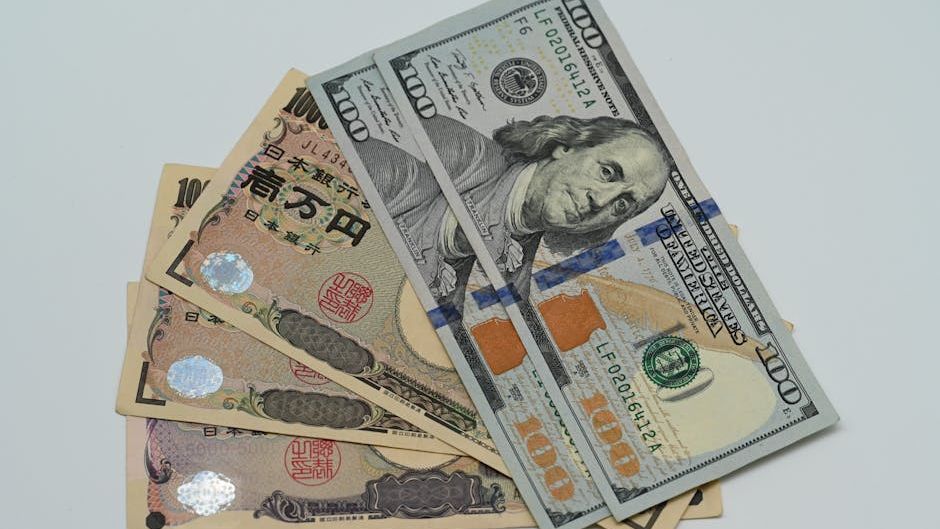
Bessent vows ’constant and robust’ US, Japan coordination on FX – Image for illustrative purposes only (Image credits: Pexels)
Tokyo – U.S. Treasury Secretary Scott Bessent and Japanese Finance Minister Satsuki Katayama met this week to underscore their shared approach to currency markets. The discussions come amid ongoing volatility in the yen, which has tested levels near 157 to the dollar in recent sessions. Officials from both nations described their dialogue as steady and effective, building on prior agreements that allow for coordinated responses to sharp swings.
Meeting Highlights Close Alignment
Bessent emphasized that communication between the two governments on foreign exchange issues remains uninterrupted. He noted that teams continue to address excess volatility through regular updates and joint monitoring. Katayama echoed this view, confirming that recent market moves have been handled in line with expectations set during earlier talks.
The bilateral session, held on May 12, also touched on wider economic pressures. Topics included supply chain security for critical minerals and responses to emerging cyber risks tied to artificial intelligence advances. Both sides agreed to maintain this level of engagement ahead of the upcoming G7 finance ministers gathering.
Yen Pressures Drive Renewed Focus
Japan has signaled readiness to act decisively if currency moves threaten economic stability. Weakness in the yen raises import costs and adds to domestic inflation, prompting officials to keep intervention options open under the framework established last September. The United States has expressed understanding of these concerns without signaling direct involvement in any operations.
Market participants have watched for signs of further steps, given the yen’s sensitivity to policy signals. Coordination between Washington and Tokyo helps reduce the risk of missteps that could amplify volatility. Officials stressed that any actions would follow established guidelines rather than unilateral moves.
Broader Economic Ties Strengthened
The talks extended beyond currencies to global developments, including the situation in the Middle East and its potential ripple effects on financial markets. Both countries reaffirmed their commitment to the U.S.-Japan alliance as a foundation for addressing these challenges. This approach aligns with ongoing efforts to stabilize trade and investment flows between the two economies.
Regular contact at senior levels has become a hallmark of the relationship. Such consistency allows for timely adjustments as conditions evolve, supporting smoother market functioning over time.
Outlook for Continued Dialogue
With the G7 meetings on the horizon, the reaffirmed coordination sets a constructive tone for multilateral discussions. Policymakers view this partnership as essential for managing currency risks without disrupting broader growth prospects. Markets are likely to monitor future statements closely for any shifts in emphasis.
The emphasis on robust, ongoing ties reflects a pragmatic recognition that currency stability benefits both nations. As conditions change, this framework provides a reliable channel for consultation and response.