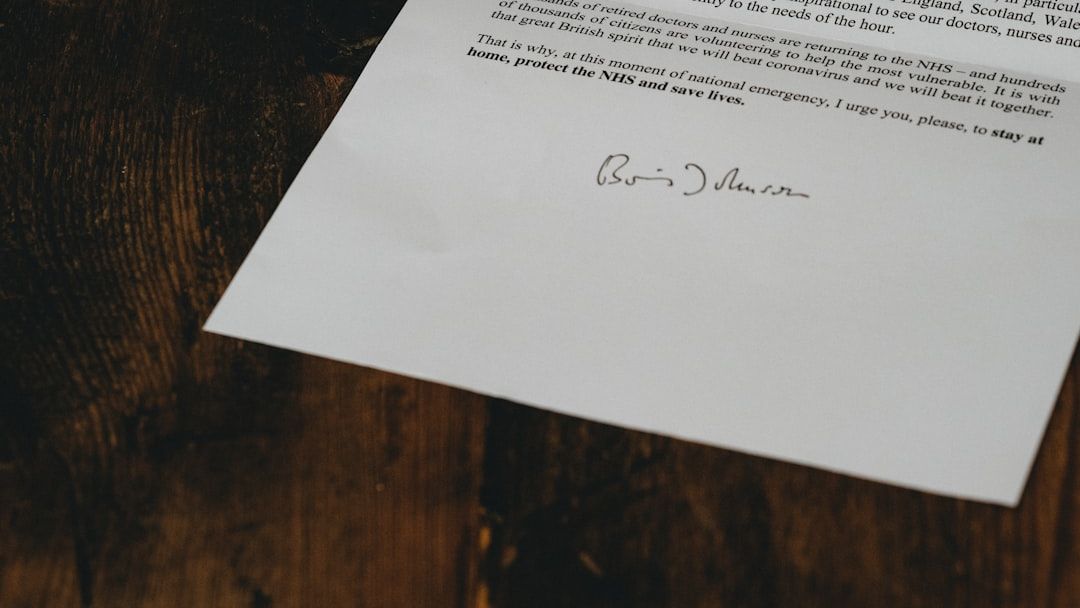
The Letter Your Loved Ones Will Treasure – Image for illustrative purposes only (Image credits: Unsplash)
Many people focus their estate plans on property and finances, yet they often overlook the chance to pass along something more personal. A legacy letter, also known as an ethical will, provides that opportunity by capturing values, memories, and guidance in written form. Families frequently turn to these documents for comfort and direction long after the writer is gone.
What Sets a Legacy Letter Apart
Traditional wills address legal and financial matters in formal language. A legacy letter takes a different approach by focusing on the personal side of life. It explains the reasons behind certain decisions and shares stories that shaped the writer’s outlook. This distinction allows the document to complement rather than replace a standard will. The letter can cover a wide range of topics without any legal requirements. Writers often include reflections on family traditions, lessons learned from mistakes, and hopes for future generations. Because it comes directly from the heart, the content tends to feel more intimate than formal paperwork.
Why Families Return to These Letters
Children and grandchildren frequently reread legacy letters during difficult times. The words offer reassurance and a sense of connection that money or property alone cannot provide. Many recipients describe the documents as sources of ongoing inspiration. The letters also help reduce potential family conflicts. By clarifying the thinking behind estate choices, they add context that prevents misunderstandings. This added perspective often strengthens relationships among surviving relatives.
How to Begin Writing One
Start by setting aside time for quiet reflection. Consider the principles that guided your decisions over the years and the experiences you value most. Simple prompts can help organize those thoughts into a coherent message. – What values or principles have guided my life?
– What moments or experiences am I most grateful for?
– What mistakes or regrets taught me the most?
– How do I hope to be remembered by my loved ones?
– What lessons or guidance do I want to leave for my family?
– Which family traditions or stories should future generations carry forward? Most letters stay between one and three pages, though length is flexible. The tone should remain sincere and personal rather than formal. Trust & Will offers a free legacy letter writing guide with step-by-step prompts to help organize these ideas. Some people prefer recording a short video instead. Smartphones make this option straightforward, capturing tone of voice and facial expressions that text cannot convey.
Keeping the Letter Accessible
Store physical copies in a secure yet reachable location such as a home safe or with an attorney. Digital versions belong on a backed-up drive or cloud service. Clear instructions in the will ensure family members know exactly where to look. The letter can be shared during life or held until later. Either approach works as long as the document remains easy to locate when needed. In the end, these personal words often become the part of an estate plan that loved ones treasure most.