UK leadership crisis: Burnham plots his path to the top – latest updates – Image for illustrative purposes only (Image credits: Flickr)
Greater Manchester Mayor Andy Burnham has moved to contest a parliamentary by-election, a step that could reshape the balance of power inside the Labour Party. The development follows days of internal pressure on Prime Minister Keir Starmer and comes at a moment when opposition parties sense an opening. Burnham’s decision to return to the Commons would give him a platform to contest the leadership directly if current difficulties persist.
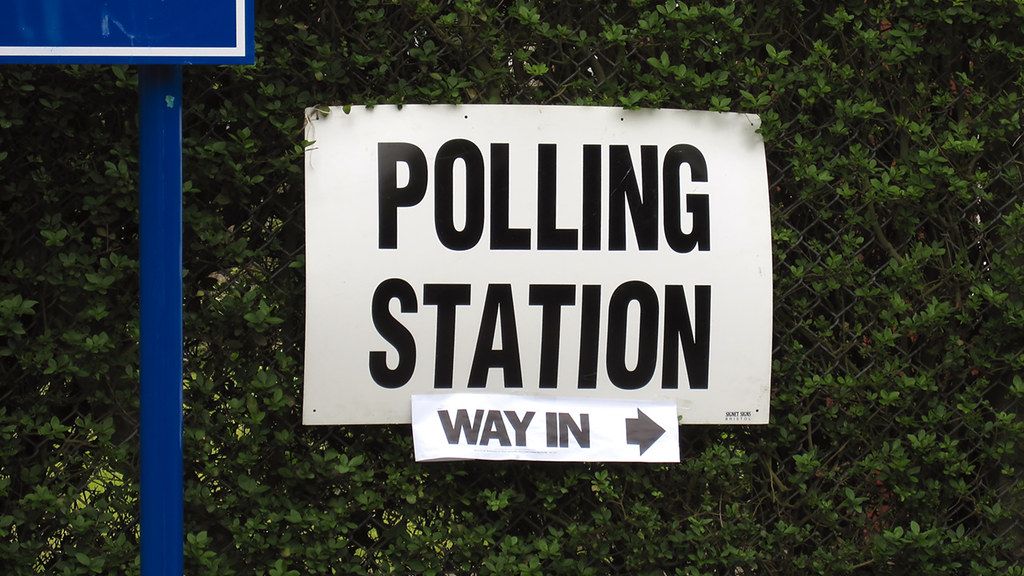
The by-election in Makerfield was triggered by the resignation of sitting Labour MP Josh Simons. Party officials must now decide whether to clear Burnham’s path or block the move at the National Executive Committee level. The outcome will influence not only Labour’s internal dynamics but also the broader political calendar in the months ahead.
Why the Timing Matters
Starmer entered Downing Street with a large majority, yet recent weeks have exposed fractures within the parliamentary party and among voters. Burnham’s candidacy would test whether those divisions can be contained or whether they will force a wider reckoning. A successful return to Westminster would place him in a stronger position to argue for a different policy direction on issues such as regional devolution and public spending.
Stakeholders across government, business and the opposition are watching closely. Labour MPs in marginal seats fear that prolonged uncertainty could hand advantages to Reform UK and the Conservatives. Meanwhile, civil servants and financial markets are assessing how any leadership transition might affect regulatory and fiscal plans already in motion.
The Path Through Makerfield
Burnham must first secure approval from Labour’s ruling officers before he can stand. If granted, the contest itself will be demanding. Reform UK has already signalled an aggressive campaign in the constituency, where the party has shown strength in recent local polling. Nigel Farage has stated that his movement will commit every available resource to the fight.
Victory for Burnham would not automatically trigger a leadership contest, but it would provide him with a national platform and renewed media attention. Defeat, by contrast, could stall his ambitions and reinforce Starmer’s authority. The by-election therefore functions as an early test of both personal popularity and party discipline.
Market and Economic Signals
Traders in the City of London have reacted to the uncertainty by pushing sterling lower. The move reflects bets that a change at the top could bring a more interventionist approach to economic policy. Investors are pricing in the possibility of altered tax plans, spending priorities and regulatory tone under a Burnham-led government.
Business groups have so far avoided public comment, yet private briefings suggest concern over any prolonged period of transition. Companies with exposure to public contracts or regional investment programmes are monitoring developments for signs of policy continuity or disruption. The pound’s movement serves as an early indicator of how markets may respond to further political volatility.
What Matters Now
The immediate focus rests on the National Executive Committee meeting and the formal opening of nominations in Makerfield. Those two decisions will determine whether Burnham’s challenge advances or stalls. Observers will also track Reform UK’s campaign intensity and any shifts in Labour’s internal polling.
Longer term, the episode highlights the tension between a prime minister seeking stability and a prominent regional mayor seeking greater influence. How the party manages this contest will shape perceptions of its cohesion ahead of future electoral tests.
The coming weeks will clarify whether Burnham’s return strengthens Labour’s appeal in northern England or simply deepens existing divisions. Either outcome will influence the government’s ability to advance its legislative agenda without distraction.