
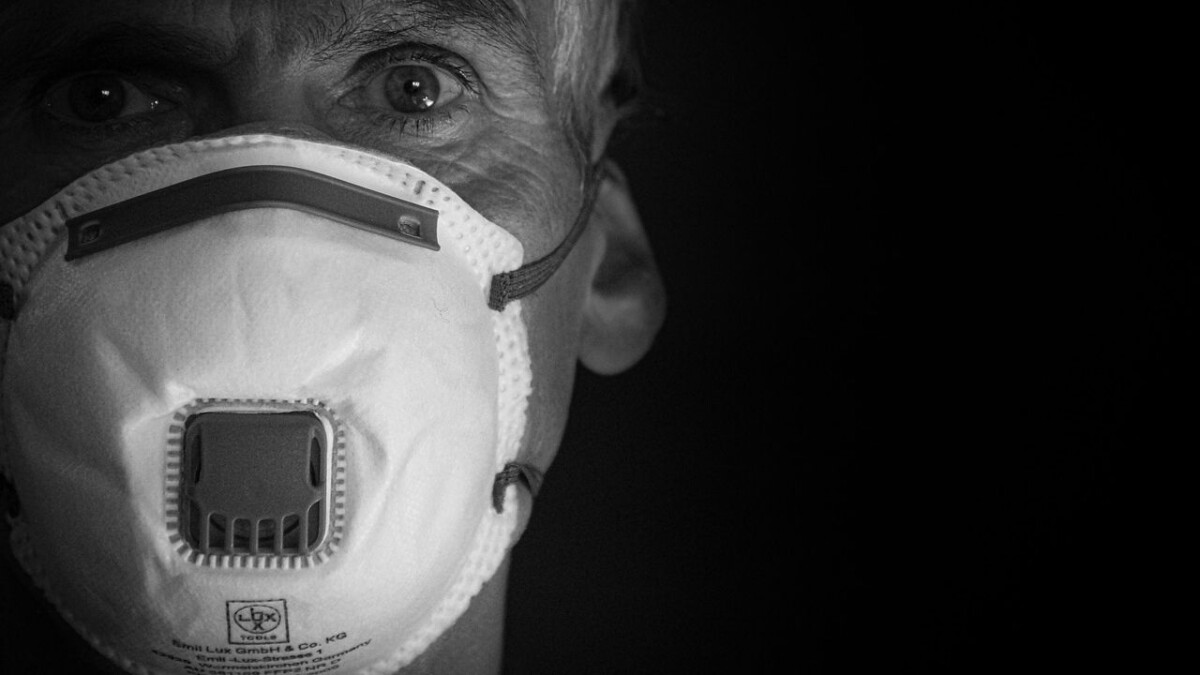
CDC says US faces ‘extremely low risk’ of hantavirus infection – Image for illustrative purposes only (Image credits: Pixabay)
The Centers for Disease Control and Prevention has determined that Americans face an extremely low risk of hantavirus infection. This conclusion holds even as health authorities track developments tied to an outbreak reported outside the country. No cases connected to that situation have surfaced domestically, yet officials continue to emphasize preparedness at the state level.
CDC Findings on Domestic Exposure
Public health experts at the CDC reviewed available data and concluded that the chance of widespread hantavirus transmission within the United States remains minimal. The agency based its evaluation on the absence of confirmed domestic cases linked to the current outbreak. This assessment provides a clear picture of limited immediate threat to the general population. Health officials noted that hantavirus typically spreads through contact with rodent droppings, urine, or saliva in specific environments. The current situation does not appear to involve conditions that would elevate exposure risks across American communities. The CDC continues to monitor global reports while maintaining that standard preventive measures suffice for most residents.
State-Level Monitoring Activities
Authorities in six states have begun active surveillance of residents to detect any potential signs of infection early. These efforts focus on tracking symptoms and possible exposure points without indicating an imminent outbreak. State health departments coordinate with federal partners to share information and respond quickly if needed. The monitoring programs reflect routine vigilance rather than alarm. Officials have not reported any unusual clusters of illness that would suggest broader transmission. This measured approach allows states to stay informed while avoiding unnecessary public concern.
Practical Steps for Residents
The CDC advises individuals to reduce contact with rodents in homes, cabins, and outdoor areas where the virus might occur. Simple actions such as sealing entry points and cleaning with proper precautions can further lower any already small risk. Public health messaging stresses that these steps align with everyday hygiene practices. – Avoid disturbing rodent nests or droppings without protective equipment
– Ventilate enclosed spaces before cleaning
– Use gloves and masks during potential exposure tasks
– Report unusual rodent activity to local health departments These recommendations remain consistent with long-standing guidance on rodent-borne illnesses.
Health authorities will update guidance as new information emerges from ongoing surveillance.