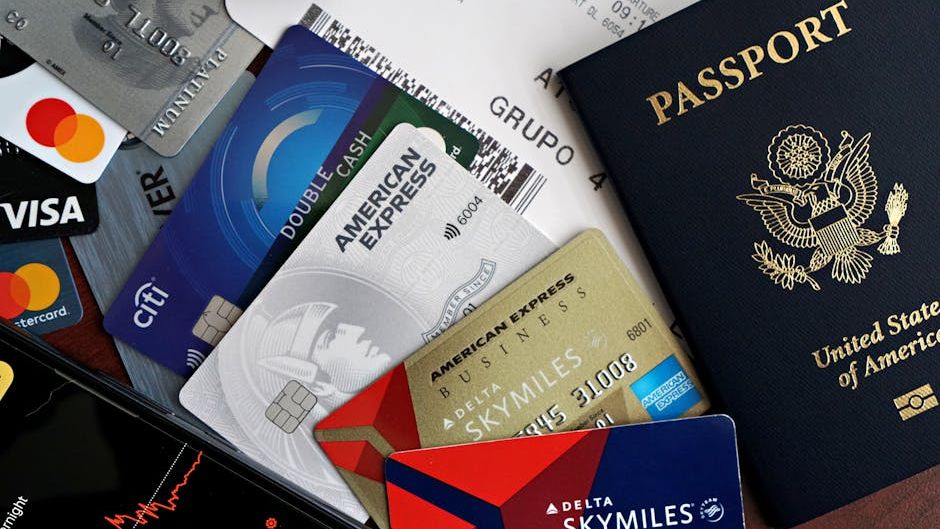
Amex Platinum vs. Chase Sapphire Reserve: Which premium travel card is right for you? – Image for illustrative purposes only (Image credits: Pexels)
The Chase Sapphire Reserve delivers 150,000 bonus points after a relatively modest $6,000 spend in three months, outpacing the American Express Platinum’s steeper $12,000 requirement for up to 175,000 points. These flagship premium cards, with annual fees of $795 and $895 respectively, target frequent travelers seeking outsized rewards. Their perks span lounge access, statement credits, and transferable points, but clear winners emerge across categories for specific lifestyles.
Core Features Side by Side
A quick snapshot highlights how these cards stack up on essentials. Both emphasize travel rewards, yet differences in fees, bonuses, and earning potential shape their appeal.
| Feature | Amex Platinum | Chase Sapphire Reserve |
|---|---|---|
| Annual Fee | $895 | $795 |
| Welcome Offer | Up to 175,000 points after $12,000 spend in 6 months (offers vary by eligibility) | 150,000 points after $6,000 spend in 3 months |
| Top Earning Rates | 5x flights direct or Amex Travel (up to $500,000/year), 5x prepaid Amex hotels; 1x other | 10x Peloton ($150+ thru 2027), 8x Chase Travel, 4x direct flights/hotels, 3x dining; 1x other |
| Key Annual Credits | $200 airline, $200 Uber, $300 hotels, $400 Resy, CLEAR $209, Global Entry/TSA $100-120 | $300 travel, $300 dining (Exclusive Tables), $300 StubHub/Viagogo (thru 2027) |
This table underscores the Sapphire Reserve’s lower entry barriers, while the Platinum piles on niche credits. Valuations from May 2026 peg the Platinum bonus at up to $3,500 and the Reserve at $3,075, assuming 2 cents per Amex point and 2.05 cents per Chase point.
Securing the Welcome Bonus
New cardholders often chase the largest upfront windfall to offset fees. The Sapphire Reserve sets a lower spending threshold, making its 150,000-point bonus more attainable for many. Eligibility rules complicate matters, however; Chase bars repeat bonuses lifetime, while Amex ties offers to targeted promotions.
Travelers eyeing the Platinum must check personalized offers, as the top tier demands significant outlay. Still, its potential value edges higher for those who qualify. Frequent applicants should verify status before applying, given once-per-lifetime limits on both.
Earning Rates for Everyday Use
The Platinum excels on flights booked directly or through Amex Travel, yielding 5 points per dollar up to a generous cap. Prepaid hotels via Amex match that rate, but everyday spending defaults to 1 point per dollar. Niche bonuses like 10 points on Peloton gear through 2027 add limited appeal.
Sapphire Reserve broadens its reach with 8 points on all Chase Travel bookings, 4 on direct flights and hotels, and 3 on dining. This structure suits diverse spenders, delivering over 16% return on portal bookings per recent valuations. For balanced portfolios, the Reserve pulls ahead in versatility.
Travel Perks and Protections
Airport lounges define premium access. Platinum holders enter the Global Lounge Collection, including Centurion Lounges and Priority Pass, though guest policies tighten without $75,000 annual spend. Delta Sky Club visits cap at 10 yearly on Delta flights.
The Reserve grants Priority Pass and Sapphire Lounges with two free guests, no spend minimum. It adds $300 annual travel credit, IHG Platinum status through 2027, and superior protections like primary car rental coverage and trip delay insurance. Hotel credits favor Platinum for Fine Hotels + Resorts, but Reserve’s Edit bookings offer up to $500 through year-end.
- Global Entry/TSA PreCheck credits match closely on both.
- Platinum auto-elites Hilton/Marriott Gold; Reserve unlocks higher tiers at $75,000 spend.
Lifestyle, Dining, and Redemption Edges
Dining credits tilt toward Platinum’s $400 Resy allowance across thousands of U.S. spots, versus Reserve’s $300 at select OpenTable venues. Lifestyle perks proliferate on Platinum – $300 Lululemon, $200 Oura Ring, $155 Walmart+, $300 streaming – but require effort to maximize. Reserve counters with DoorDash DashPass, Lyft credits through 2027, and $300 entertainment via StubHub.
Redemptions favor Reserve’s portal boost and 13 transfer partners at 1:1 ratios, including Hyatt and airlines like Flying Blue. Platinum’s 20 partners offer breadth, though variable ratios and slower transfers pose risks. Non-travel options yield low value on either.
Finding the Right Fit
Frequent flyers maximizing airline fees and hotel elites lean Platinum, where credits can eclipse the fee. Versatile travelers prioritizing dining, protections, and easy credits prefer Reserve’s streamlined approach. Heavy spenders might pair both for comprehensive coverage.
Ultimately, the Sapphire Reserve suits most with its practical balance, while Platinum rewards targeted luxury pursuits. Review personal habits against these perks before committing, as benefits evolve with enrollments and promotions.