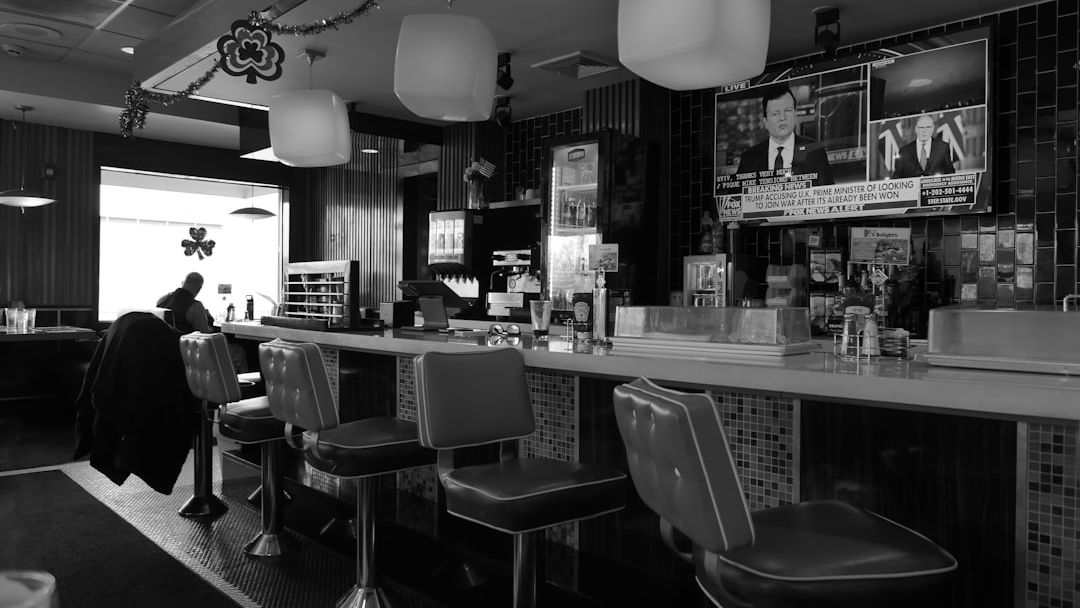

Diners have anchored American road trips for generations. Their chrome counters and vinyl booths offer more than quick meals. They create spaces where locals and travelers share the same simple expectations.
Recent data shows Americans plan to dine out roughly ten times each month in 2026. Many of those visits still happen at classic roadside spots. Understanding the quiet customs helps everyone enjoy the experience.
Tipping as a Core Expectation
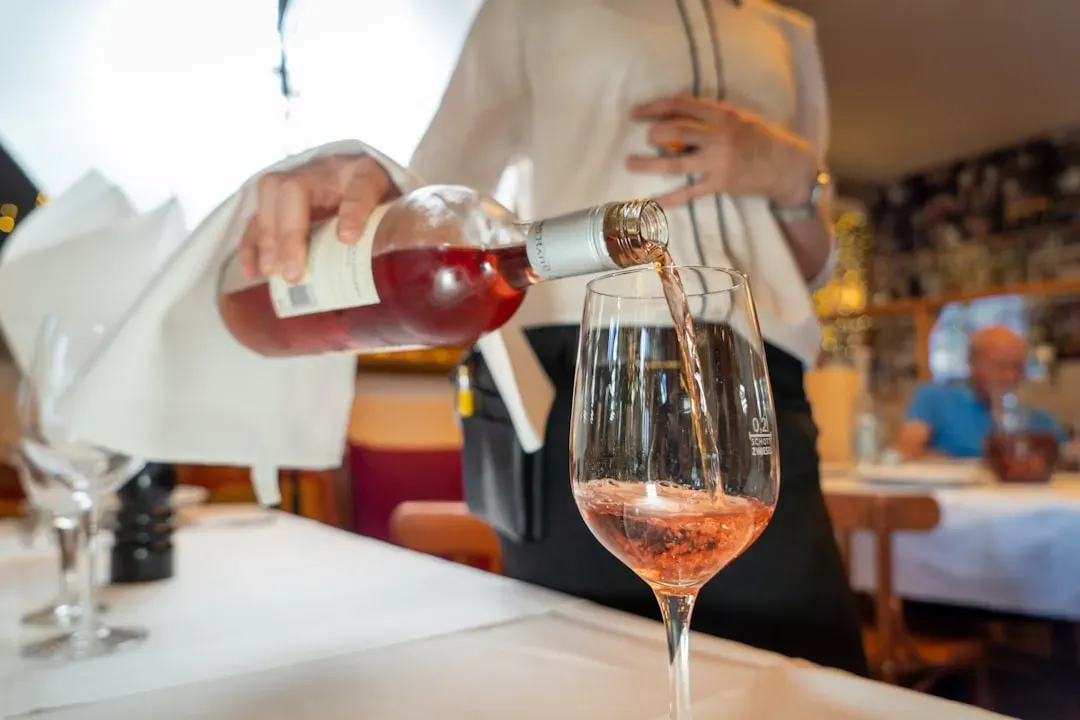
Most diners rely on tips to make ends meet. Servers in these spots often earn a base wage well below standard minimums. Leaving fifteen to twenty percent of the bill remains the standard practice across the country.
Recent surveys confirm that skipping a tip after decent service stands out as one of the clearest social missteps. Travelers who follow this habit blend in quickly. Those who overlook it tend to notice the shift in atmosphere right away.
Respecting the Counter and Booth Seating
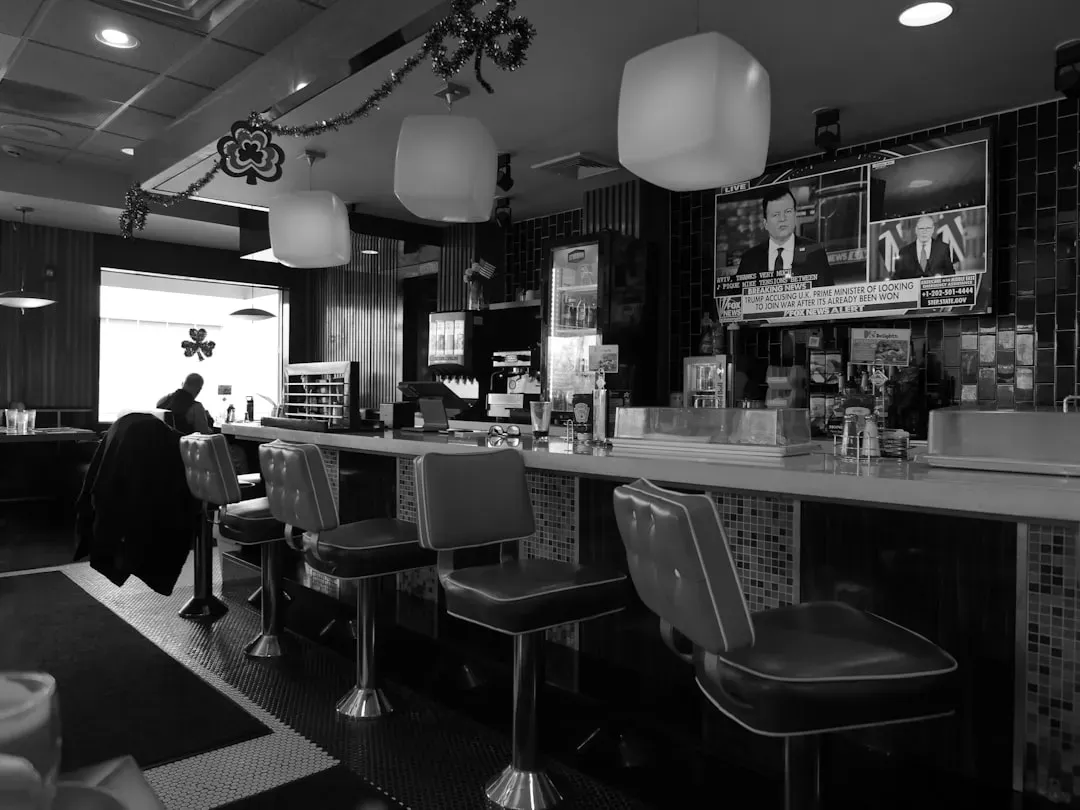
Many classic diners keep a first-come, first-served system at the counter. Sliding into an empty stool without waiting for a nod from staff works fine in most places. Booths usually go to larger groups or families who ask politely.
During busy hours the flow stays smoother when newcomers read the room. A quick glance at the host stand or a simple wave often clears any confusion. This small awareness keeps the rhythm steady for everyone.
Ordering Without Excessive Modifications
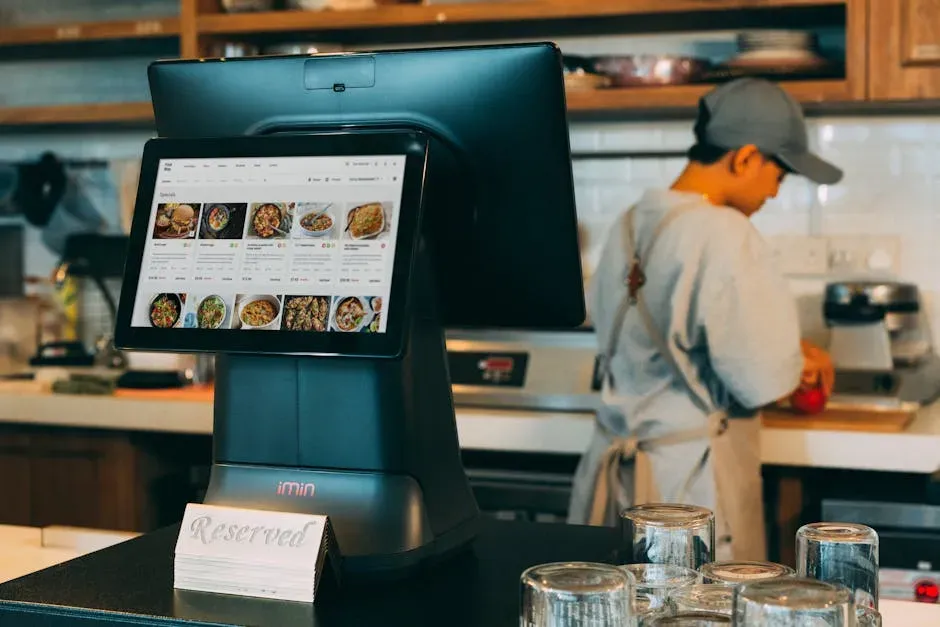
Menu items at roadside diners tend to arrive exactly as listed. Asking for too many changes can slow the kitchen and frustrate the cook. Most regulars keep requests simple and clear.
Industry reports from 2024 and 2025 note that diners appreciate straightforward orders during peak travel seasons. A single substitution usually passes without issue. Multiple tweaks, though, can stretch wait times noticeably.
Waiting for the Entire Party Before Ordering
Groups that arrive together usually place their orders together. Starting without the last person can leave that guest feeling rushed. Staff members often pause until everyone settles in.
This habit shows up in etiquette guides aimed at American restaurants. It prevents awkward moments when plates reach the table at different times. The pause feels natural once the full group sits down.
Avoiding Finger Snapping or Loud Calls for Service
Calling attention with snaps or raised voices rarely earns faster service. A raised hand or eye contact works better in the casual setting. Staff move through the room on their own schedule.
National surveys from 2024 found that most Americans view finger snapping as unacceptable behavior. The same studies show that polite signals keep the mood friendly. Diners who stay calm tend to receive quicker refills anyway.
Leaving Leftovers Without Debate
Requesting a to-go box for uneaten food counts as normal practice. Refusing to pay for a dish simply because it did not match expectations draws strong disapproval. Most guests accept the meal once it arrives.
Recent polling indicates that eight in ten Americans consider it unacceptable to eat most of a plate and then demand a refund. Taking the remainder home avoids any tension. The box usually appears without extra questions.
Not Lingering Past Closing or Peak Times
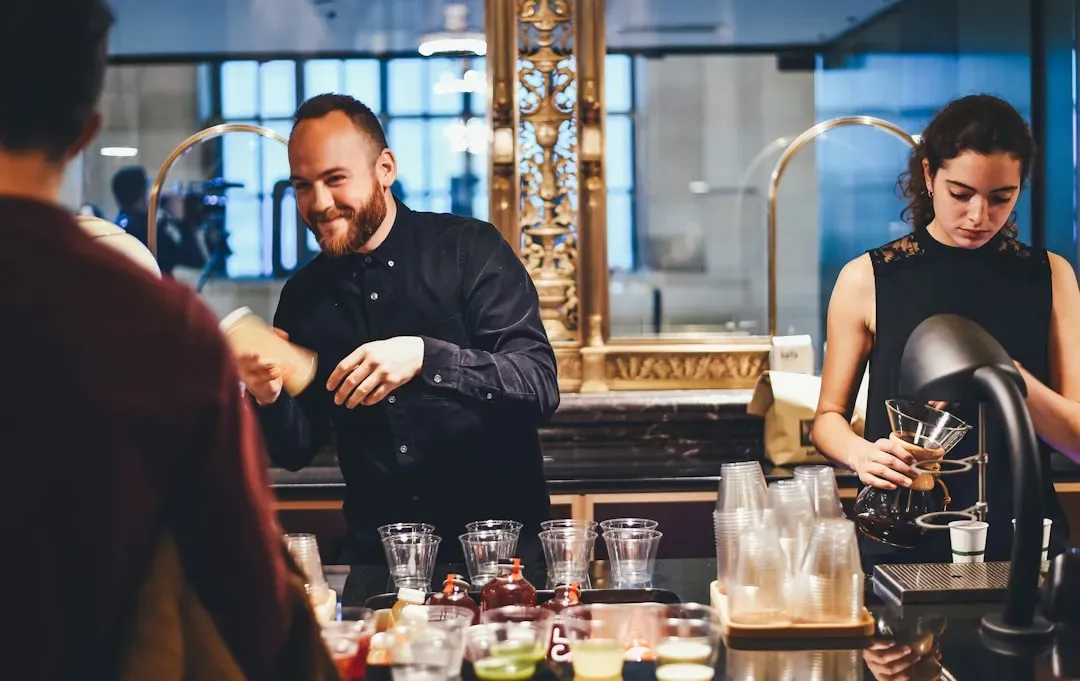
Staff often need time to close the kitchen and clean after the last customer. Staying well past posted hours can delay everyone. A quick check of the clock helps keep things smooth.
During busy lunch or dinner rushes, tables turn over faster when guests finish within a reasonable window. This pattern appears in road-trip etiquette discussions from recent years. It leaves room for the next travelers pulling off the highway.
Engaging Politely with Staff
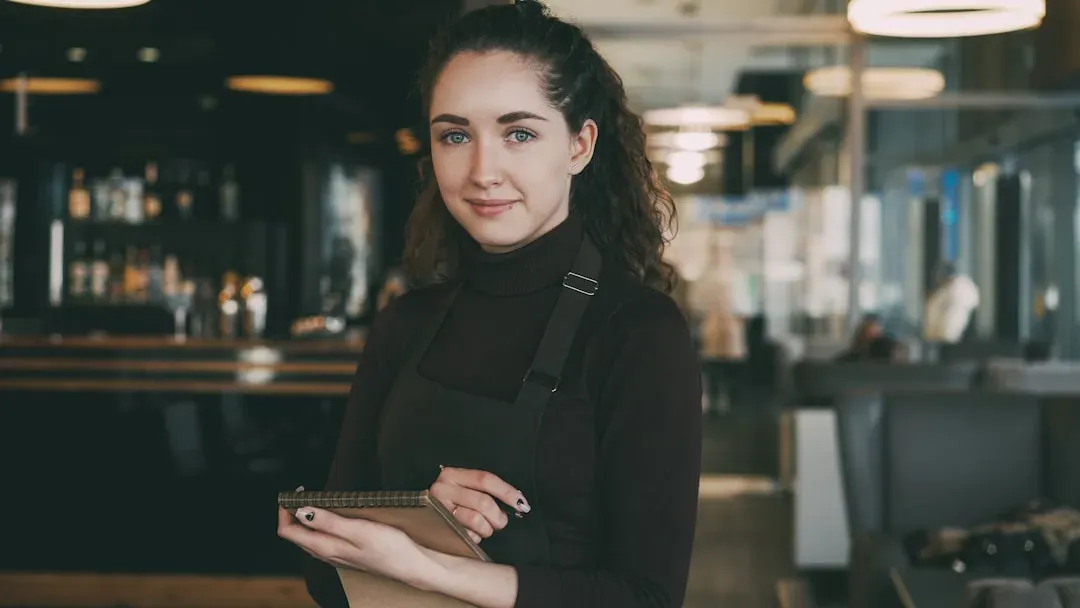
A brief hello or thank-you goes a long way in these small establishments. Staff members often remember faces from one visit to the next. Short conversations about the weather or the route ahead fit the setting naturally.
Reports on restaurant trends in 2025 highlight how friendly exchanges improve the overall experience for both sides. Diners who treat servers with basic respect notice better attention to details. The atmosphere stays relaxed when everyone stays courteous.
Paying Promptly When Ready
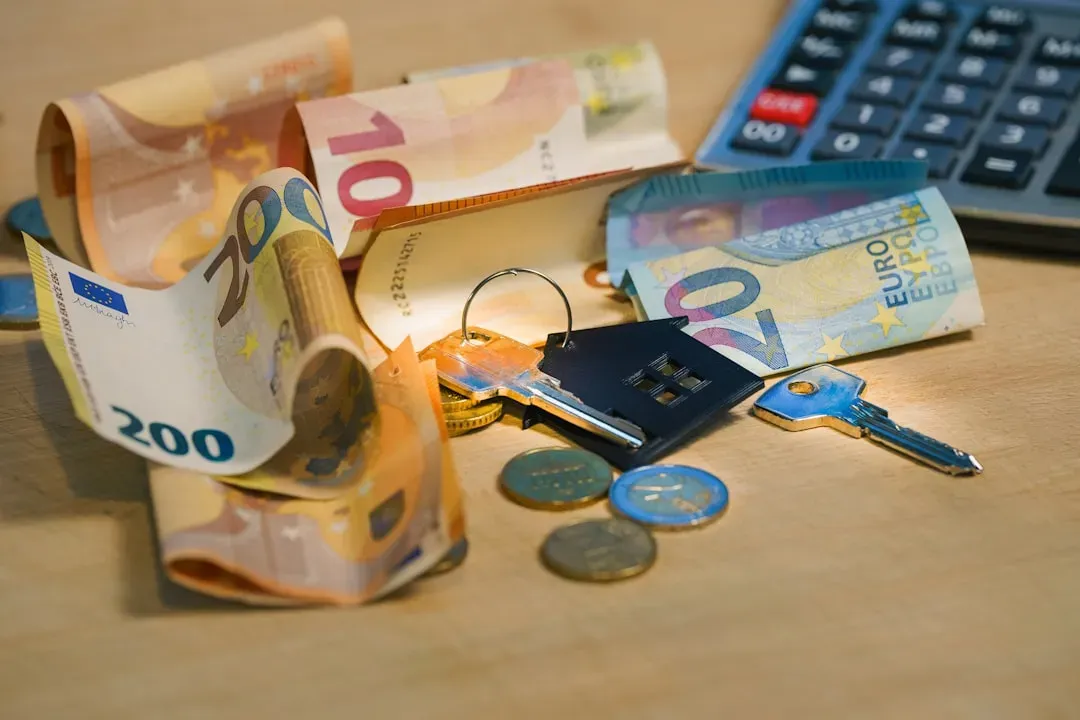
Once the meal ends, settling the check without delay frees the table. Holding the bill while chatting can back up the line at the register. Cash or card both work fine in most spots.
Industry data from early 2026 shows continued growth in full-service dining. Quick payment helps maintain that momentum. It also signals appreciation for the service already received.
Embracing the Casual Atmosphere
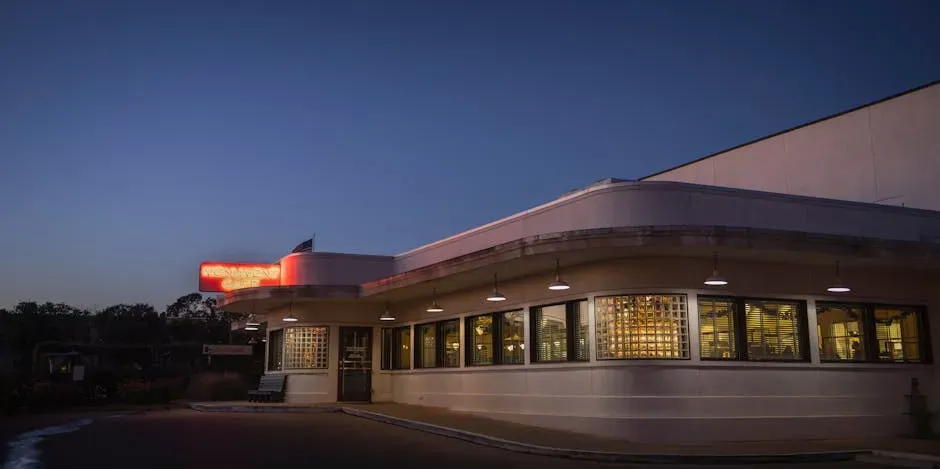
Classic diners thrive on an easygoing vibe that welcomes road-weary guests. Jeans and comfortable shoes fit right in. No one expects formal dress or hushed tones.
Travel accounts from 2025 describe these stops as places where class lines fade. The focus stays on good food and quick refills. Guests who relax into that rhythm tend to return on future trips.
These quiet customs keep roadside diners running smoothly year after year. Following them turns a simple meal into part of the journey itself. The next time the neon sign appears on the horizon, the experience already feels familiar.