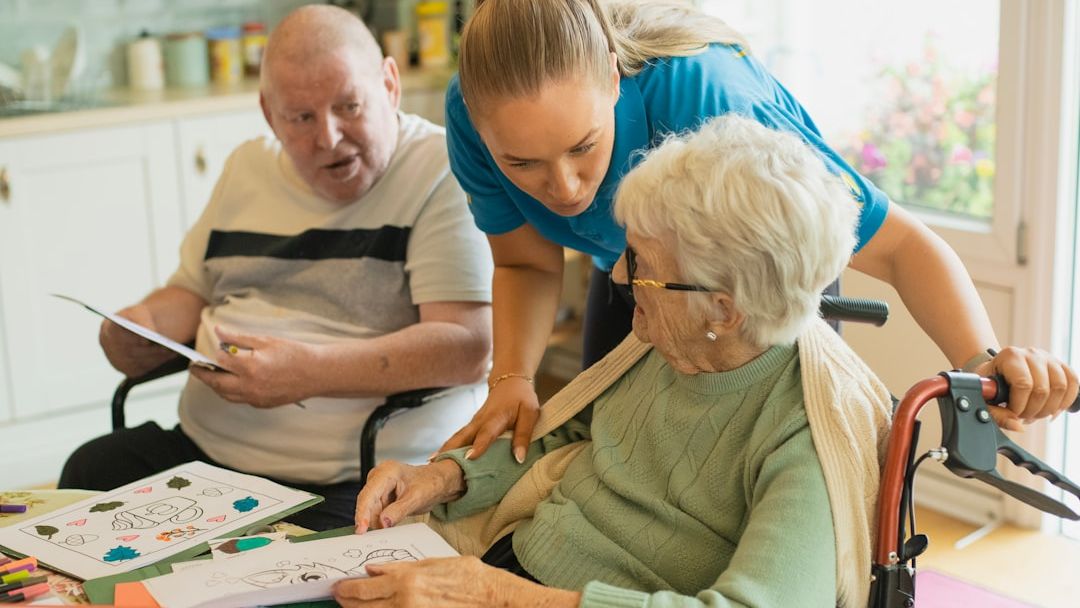
Local Charities Helping Seniors in Colorado – Image for illustrative purposes only (Image credits: Unsplash)
Colorado – Across the state’s urban centers and rural stretches, older adults often turn to local nonprofits when immediate needs arise. These organizations provide targeted support for essentials like meals, transportation, and home safety, filling voids left by broader government programs. With services varying by county and ZIP code, knowing where to start can make all the difference for those facing tight budgets or mobility challenges.
Starting Points for Immediate Needs
Time-sensitive issues demand quick action from nearby resources. Older residents seeking food within days, help with overdue bills, or a safe ride should prioritize groups serving their specific area rather than statewide directories. Dialing 211 Colorado offers referrals tailored to local food pantries, utility aid, or legal options, serving as a smart first step without replacing direct outreach.
In emergencies, such as medical crises or utility shutoffs, contacting authorities via 911 remains essential. Charities typically handle civil matters like pantry access or partial bill payments but advise upfront disclosure of deadlines. This approach ensures efficient navigation through limited funds and waitlists.
Food Pantries and Regional Networks Leading the Way
Access to nourishment stands out as one of the most straightforward forms of assistance available statewide. Regional food banks coordinate with local pantries, churches, and delivery programs, often prioritizing those over 60 who qualify based on income. Pickup schedules fluctuate, so verifying hours and requirements ahead prevents wasted trips.
Food Bank of the Rockies links Denver metro and Western Slope residents to partner sites and senior-specific boxes. Care and Share supports Southern Colorado through ZIP code-matched pantries in areas like Colorado Springs and Pueblo. Community Food Share aids Boulder and Broomfield counties via its Blue Spruce Neighbors initiative, offering bi-monthly groceries with select home delivery. Weld Food Bank’s Senior Feeding Program targets county elders, requiring initial certification for ongoing monthly provisions. A simple inquiry script – stating name, age, ZIP code, and urgency – streamlines these connections.
Faith Groups, Rent Aid, and Everyday Essentials
Churches and faith-based outfits frequently extend aid beyond congregations, covering food closets, bus passes, and utility referrals for qualifying seniors. Catholic Charities assists in Denver metro, Larimer, and Weld counties with social programs and resource advocacy. Little Flower in Aurora provides monthly food and personal items for those 60 and older, while Jewish Family Service in Denver offers kosher meals, counseling, and volunteer visits on a sliding scale.
Addressing housing and bills proves more competitive, with funds cycling through lotteries or referrals. Energy Outreach channels payments via partners for heating or electric arrears, necessitating ID and bill copies. Groups like Senior Assistance Center and Action Center in Jefferson County tackle utilities, transit passes, and clothing alongside meals. Neighbor to Neighbor focuses on emergency rent in Larimer and Weld, though applications open sporadically. Senior Support Services in Denver doubles as a hub for unhoused elders, linking to housing and medical pathways.
Transportation, Home Fixes, and Broader Support Systems
Mobility and living safely rank high among persistent hurdles for many seniors. Volunteer-driven rides target medical trips, errands, and social outings, often free for those 60-plus in defined zones. Via Mobility covers accessible shared rides across parts of the state, including Spanish-language lines. Envida serves Colorado Springs and Pikes Peak for low-income elders, while 60 Plus Ride aids Weld County with volunteer drivers for groceries and appointments.
Home modifications emphasize functionality over aesthetics, such as installing ramps or grab bars. Brothers Redevelopment targets safety upgrades in Denver metro and Pikes Peak regions, with Habitat CAPABLE assisting qualifying Denver homeowners 65 and older on health-linked changes. Rebuilding Together volunteers handle critical repairs for low-income owners statewide. Beyond physical aid, A Little Help matches volunteers for visits, yard tasks, and tech support in metro and Northern Colorado. Legal outlets like Colorado Legal Services address civil issues for low-income seniors, complemented by STRIDE and Salud clinics’ sliding-fee medical and dental care.
Navigating Applications and Next Steps Effectively
Success hinges on preparation: share location, age, deadlines, and prior efforts concisely during calls. Gather ID, bills, leases, or photos as needed, and inquire about alternatives if funds run dry. Community-tailored options, such as Servicios de La Raza for Spanish speakers or Center on Colfax for LGBTQ elders, enhance cultural fit in select areas.
- Food: Confirm caregiver pickup options.
- Rent/utilities: Present notices and income proof.
- Repairs: Document hazards clearly.
- Legal: Forward all notices promptly.
When denied, request referrals or waitlists – persistence across multiple outlets often uncovers layered support. Local charities deliver targeted relief without cash handouts, paying vendors directly and referring beyond their scope. For Colorado seniors, these networks underscore community resilience, urging proactive outreach to sustain independence amid evolving challenges.