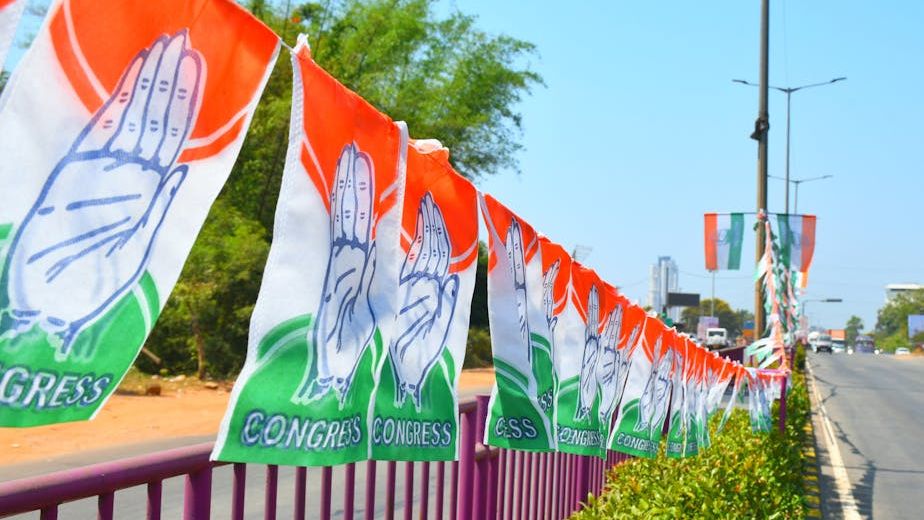
Congress seeks wider consultations in effort to select Kerala CM candidate – Image for illustrative purposes only (Image credits: Pexels)
The Congress party has moved to widen its internal consultations ahead of selecting a candidate for chief minister in Kerala. A group of former state presidents, a senior legislator and several working presidents received summons to the national capital for direct talks. The step reflects an effort to gather input from across the party’s Kerala unit before any final decision.
Leaders Invited to the Capital
Those asked to attend include five former presidents of the Kerala Pradesh Congress Committee. V M Sudheeran, Mullappally Ramachandran, K Muraleedharan, K Sudhakaran and M M Hassan form the core of this group. Their combined experience spans multiple terms in state leadership roles.
Additional voices include senior MLA Thiruvanchoor Radhakrishnan and the current working presidents. P C Vishnunath, Shafi Parambil and A P Anil Kumar complete the list of those traveling to Delhi. Together the participants represent both long-standing party elders and active organizational figures.
Scope of the Ongoing Talks
The consultations aim to broaden the base of opinion before the party settles on its Kerala leadership choice. By bringing these individuals together in one place, the central leadership seeks to reduce the risk of later internal friction. The process places emphasis on collective input rather than a narrow circle of decision makers.
Meetings of this nature typically allow each participant to share regional perspectives and organizational concerns. The outcome of such exchanges often shapes the final shortlist presented to the high command. In this instance the focus remains squarely on identifying a candidate who can command wide support within the state unit.
Practical Effects on Kerala Politics
The decision to hold wider talks signals that the party views the chief minister selection as more than a routine appointment. Stakeholders across Kerala’s Congress ecosystem now have a clearer channel to register their views. This approach can help align expectations among legislators, district units and senior functionaries before the name is announced.
Timeline considerations also matter. With the next assembly elections still some distance away, the party has room to conduct these discussions without immediate electoral pressure. The current round of meetings therefore serves as an early step in a longer preparation cycle. Affected groups include sitting MLAs who will ultimately have to work under the chosen leader and local leaders who must mobilize support on the ground.
Looking Ahead
Once the Delhi consultations conclude, the party is expected to move toward a more formal selection process. The emphasis on inclusive dialogue suggests the eventual candidate will carry broader backing than might otherwise have been the case. Observers will watch for signs that the chosen name reflects the range of opinions gathered during these talks.
The coming weeks will reveal how effectively the consultations translate into a unified front. For now the focus stays on the meetings themselves and the careful groundwork they represent.