CPI surged in April as inflation soars to highest level in almost 3 years – Image for illustrative purposes only (Image credits: Unsplash)
American households are already seeing the effects in their monthly expenses after the latest government figures showed consumer prices rising more than expected last month. The increase, led by higher energy costs, has lifted the overall inflation rate to its highest point in almost three years. This development comes at a time when many families are still adjusting to elevated prices on essentials that have persisted since the pandemic years.
The April CPI Figures in Context
The Consumer Price Index for April recorded a notable uptick compared with the same month a year earlier. Government statisticians attributed much of the gain to sharp increases in energy-related items, including gasoline and home heating fuels. The resulting annual inflation rate now stands at its highest level since mid-2023, according to the official release.
Broader categories such as food and shelter also contributed to the overall rise, though at more moderate paces than energy. Economists note that the April reading marks a departure from the gradual cooling trend observed in prior months. The data covers prices paid by urban consumers for a standard basket of goods and services.
Energy Costs Lead the Way
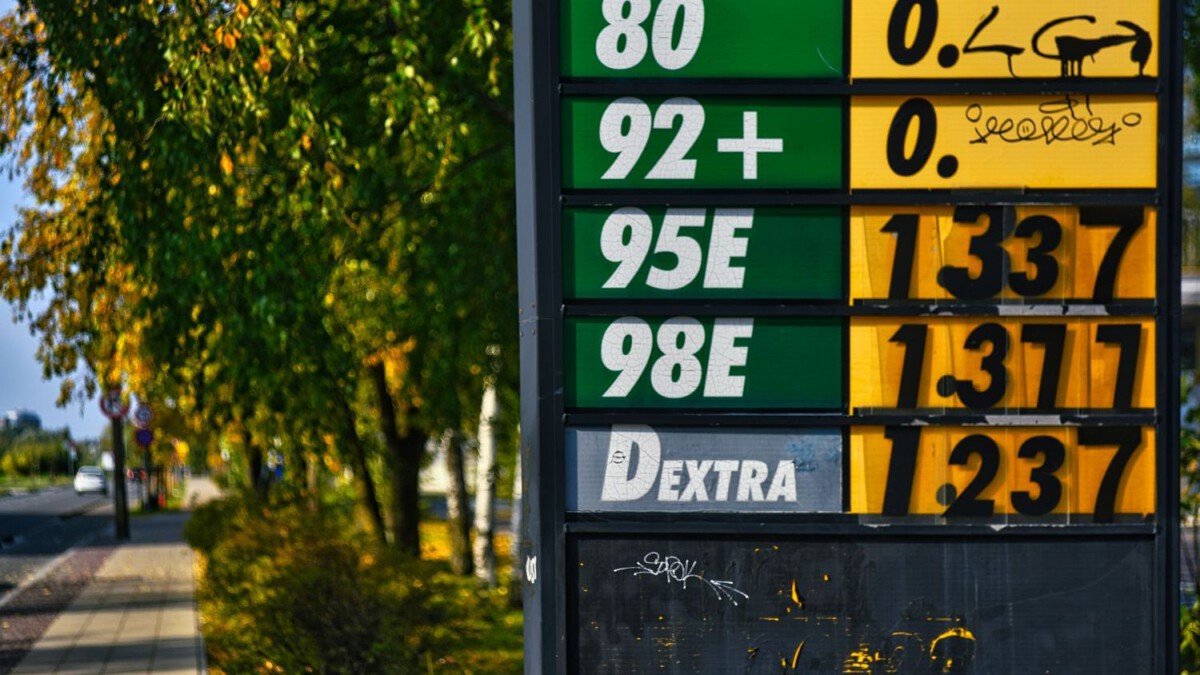
Energy prices posted the largest monthly gain in the report, reflecting recent volatility in global supply chains and domestic production adjustments. Gasoline prices at the pump rose noticeably in many regions, adding immediate pressure to commuting and delivery expenses. Home energy bills also climbed, affecting both renters and homeowners who rely on natural gas or electricity for heating and cooling.
These energy-driven increases tend to ripple outward quickly because fuel and power are inputs for so many other goods. Transportation costs for food and manufactured items often rise in tandem, which can show up later in grocery aisles and retail shelves. The April surge in this category alone accounted for a sizable share of the headline inflation number.
Real Effects on Household Spending
Everyday budgets are absorbing the impact through higher outlays for transportation and utilities. A typical two-car household may now face an extra $30 to $50 per month at the pump, depending on driving habits and local prices. Families with fixed incomes or tight paychecks feel these changes most acutely because they have fewer options to absorb the added expense.
Grocery shoppers are encountering slightly higher prices on items that require refrigerated transport or energy-intensive processing. Renters renewing leases are also seeing the shelter component of the index continue its steady climb. The combined effect leaves less room in monthly budgets for discretionary purchases or savings contributions.
- Gasoline and diesel for vehicles
- Electricity and natural gas for homes
- Packaged foods and beverages
- Public transit fares in some cities
- Delivery and shipping fees for online orders
Outlook for the Months Ahead
Analysts will watch the next several CPI releases closely to determine whether the April jump represents a temporary spike or the start of a longer trend. Federal Reserve officials have indicated they remain focused on returning inflation to their 2 percent target over time. Any sustained elevation could influence decisions on interest rates that affect mortgage, auto loan, and credit card costs.
Consumers can track their own spending patterns against the official categories to gauge personal exposure. Many households are already shifting toward more efficient driving routes or adjusting thermostat settings to limit energy use. The coming summer months may bring additional seasonal pressure on cooling costs in warmer parts of the country.
While the April data underscores ongoing challenges for price stability, it also highlights the resilience of household finances that have adapted to similar pressures in recent years. The path forward will depend on how quickly energy markets stabilize and whether other price categories follow the recent moderation seen in goods excluding food and energy.