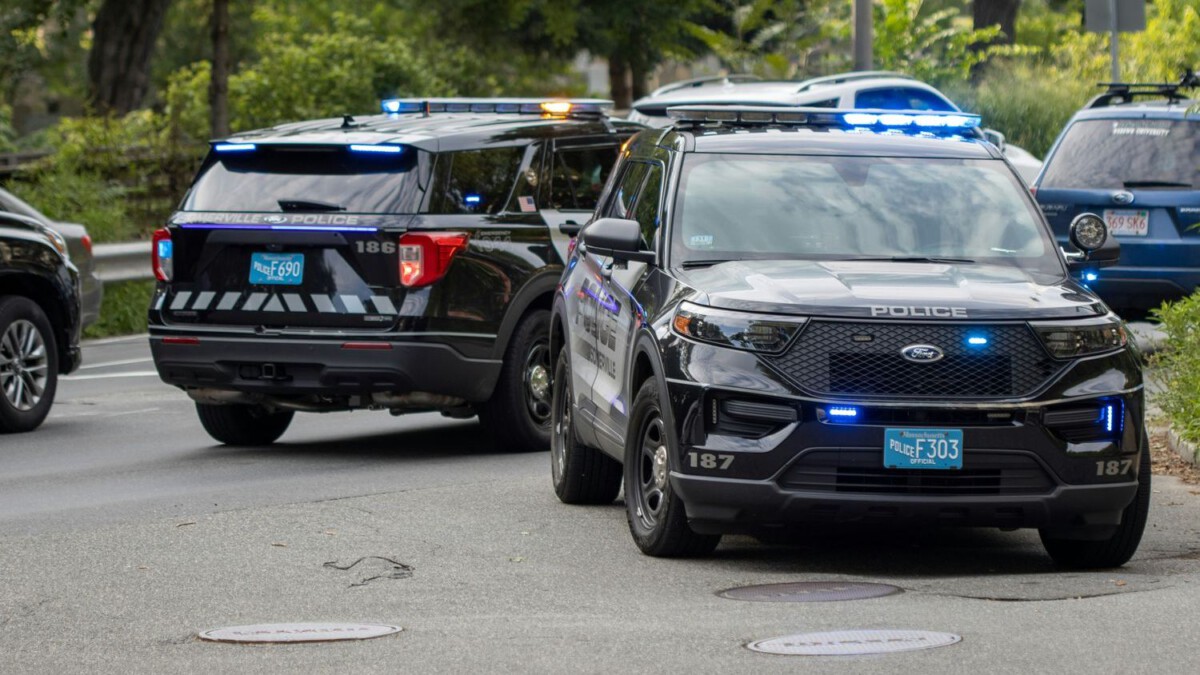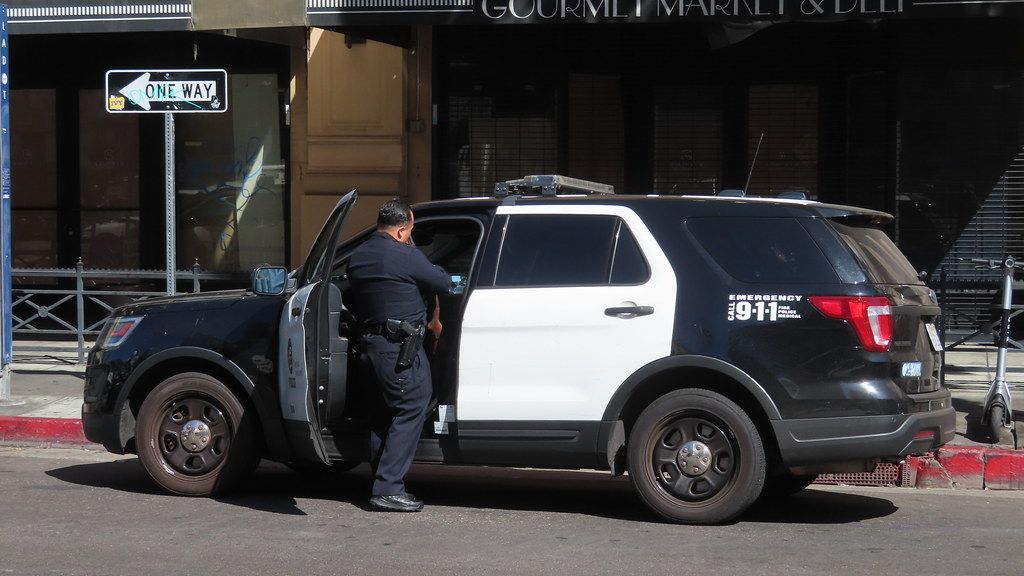
Push to limit traffic stops passes City Council – but LAPD policy not changing yet – Image for illustrative purposes only (Image credits: Flickr)
Los Angeles – The City Council has taken a clear step toward restricting pretextual traffic stops, a tactic that allows officers to pull over drivers for minor violations while pursuing evidence of other crimes. The vote directs the Los Angeles Board of Police Commissioners to develop updated rules that would narrow when such stops are permitted. This development comes amid long-standing concerns that the practice contributes to uneven enforcement across different communities.
The Mechanics of Pretextual Stops
Pretextual stops occur when officers cite a small traffic infraction, such as a broken taillight or expired registration, as the legal basis for a vehicle stop. The underlying goal is often to investigate for more serious offenses like weapons possession or drug activity. Critics have argued that this approach gives officers wide discretion that can lead to inconsistent application. Supporters of the tactic maintain that it serves as an effective tool for uncovering illegal activity during routine encounters. Data from the department has shown that these stops sometimes yield contraband or lead to arrests for unrelated crimes. Yet the same records have also highlighted patterns in which certain groups of drivers face higher rates of being stopped.
Key Elements of the Council Action
The measure passed with broad support and requests the oversight board to adopt guidelines modeled on policies in other cities. Those guidelines would generally prohibit stops for minor equipment or administrative violations unless an immediate safety risk exists. The council also emphasized the need for faster action from the commission on this issue. The decision does not immediately alter how officers operate in the field. Instead, it places the responsibility on the civilian oversight body to review and revise existing department directives. This separation keeps current procedures in place while signaling that change is expected in the coming months.
Stakeholders and Practical Effects
Residents in neighborhoods with higher stop rates stand to see the most direct impact if new rules take hold. Officers would face clearer boundaries on when they can initiate contact over low-level issues. The Los Angeles Police Department would continue its current internal policy, adopted in 2022, which already directs officers to focus pretext stops on more serious investigations. City leaders have framed the move as part of broader efforts to improve relations between police and the public. The commission now holds the next key role in determining how strictly the new limits will be defined and enforced.
What Matters Now
The Police Commission must now review and potentially revise LAPD guidelines on pretextual stops, with the council urging prompt action to address enforcement disparities.
Looking Ahead
The council’s action underscores a shift in how traffic enforcement is viewed in Los Angeles. Rather than relying solely on armed officers for every minor violation, the city is exploring ways to separate routine safety checks from criminal investigations. The commission’s response will determine whether these discussions translate into lasting operational changes for the department.