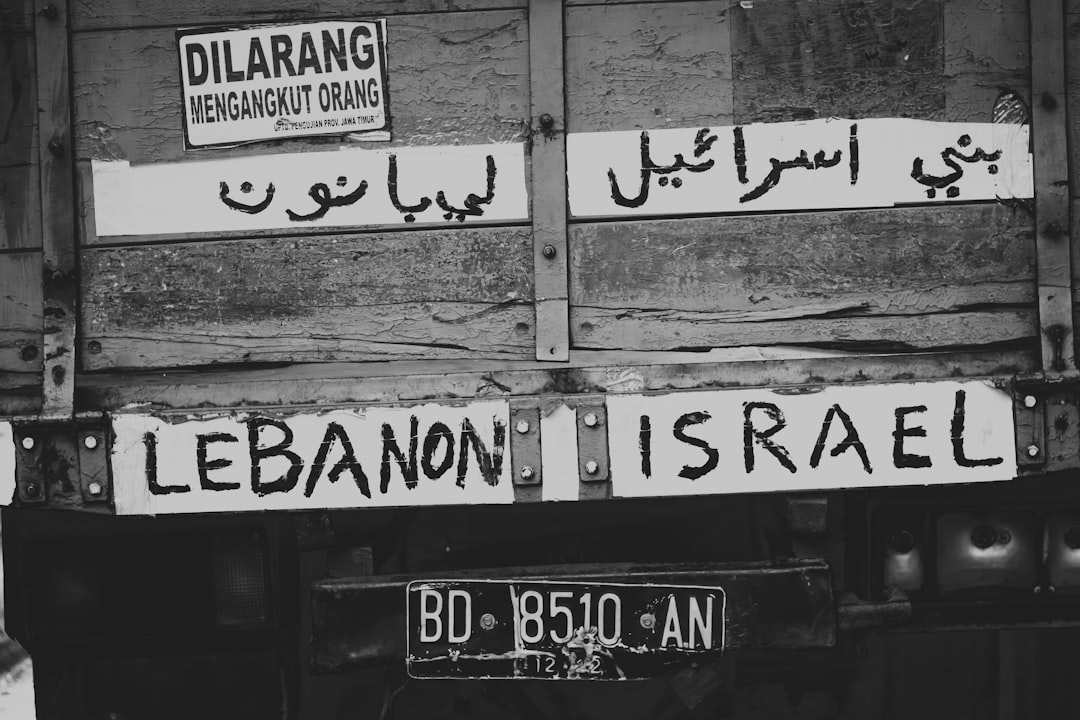
A Devastating Return to Rubble (Image Credits: Unsplash)
Southern Lebanon – Displaced families streamed back to their villages this week, confronting landscapes scarred by war and the persistent hum of Israeli bulldozers. A temporary ceasefire brokered in mid-April offered hope for respite, yet military operations continued unabated, reshaping the border region into an expanded security zone. Diplomats from both sides described the pause as a fragile holding pattern, undermined by deep-seated structural challenges that prevent true de-escalation.
A Devastating Return to Rubble
Nearly 40,000 homes stood destroyed or severely damaged across southern Lebanon, according to Lebanese authorities. Families who fled the violence discovered not only their properties in ruins but also active demolitions extending into dozens of towns and villages now encompassed by Israel’s newly defined buffer zone. Israeli troops turned back residents attempting to re-enter these areas, citing security needs.
Infrastructure suffered extensive sabotage as well. Water systems, power lines, roads, and bridges lay disabled, with a major bridge demolished just before the ceasefire took hold. This systematic disruption compounded the hardship for returnees, leaving communities isolated and without basic services.
The Ceasefire’s Narrow Scope
The Trump administration mediated the agreement, which activated around mid-April and set an initial 10-day window, extendable by mutual consent. Proponents framed it as a foundation for broader negotiations toward a permanent deal. However, Israeli Prime Minister Benjamin Netanyahu made clear that troops would maintain positions in the security zone indefinitely to avert threats from the north.
Defense Minister Israel Katz echoed this stance, noting that the territory between the buffer zone and the Litani River remained infested with fighters and weapons caches. He indicated that clearance would proceed through diplomatic channels or military action if necessary. The Lebanese government, meanwhile, lacked the on-ground leverage to challenge these moves effectively.
Hezbollah’s Grip Complicates Everything
Hezbollah, the Iran-backed militia that dominates military affairs in southern Lebanon, played no formal role in the ceasefire text. The group signaled readiness to respect the pause but rejected disarmament absent a comprehensive national defense plan. Its leadership linked any cooperation to wider regional dynamics, including Iran’s positions.
Iran welcomed the arrangement but maintained that its own truce with the United States encompassed Lebanon. This external influence highlighted the ceasefire’s limitations, as Israel negotiated primarily with the Lebanese state while confronting a non-state actor on the battlefield. The disconnect fueled skepticism about the deal’s viability.
Casualties and Displacement Mount
The conflict exacted a heavy toll since early March. Lebanese health ministry figures reported over 2,100 deaths and 7,000 injuries, including hundreds of women and children, dozens of medical personnel, and more than 100 strikes on ambulances and health facilities. Hezbollah operations resulted in a smaller number of Israeli civilian and soldier casualties.
Displacement affected a substantial swath of the population, with uprooting on a scale representing over two years of instability. The following outlines key impacts:
- Housing: Nearly 40,000 structures destroyed or damaged.
- Medical Attacks: Over 100 incidents targeting ambulances and facilities.
- Civilian Toll: Hundreds of women and children among the dead.
- Infrastructure: Bridges, roads, water, and power networks crippled.
- Buffer Reach: Dozens of towns now restricted.
Diplomatic Talks Test the Truce
Rare direct discussions unfolded in Washington, where Lebanese Prime Minister Nawaf Salam hailed the ceasefire as enabling returns. Netanyahu viewed it as a potential gateway to historic peace. Yet priorities clashed sharply: Lebanon demanded Israeli withdrawal, reconstruction, and civilian governance, while Israel insisted on Hezbollah disarmament, a formalized buffer, and verification mechanisms.
Netanyahu convened a short-notice cabinet session without a formal vote, underscoring internal pressures. Analysts questioned the 10-day timeline’s adequacy for complex disarmament, seeing it instead as a tool for sustained military leverage. Past escalation cycles reinforced doubts about breaking the impasse.
Key Takeaways
- The buffer zone, dubbed a ‘yellow line’ by Israel, penetrates deep into Lebanese land, signaling occupation management over resolution.
- Hezbollah’s exclusion from the deal exposes a core negotiation flaw.
- With operations ongoing, the truce risks entrenching division rather than fostering peace.
The buffer zone emerged not as a bridge to trust but as a stark illustration of the ceasefire’s inherent contradictions. As bulldozers reshape the terrain, southern Lebanon’s future hangs in precarious balance, demanding urgent diplomatic breakthroughs. What steps should follow to turn this paper truce into enduring stability? Share your views in the comments.