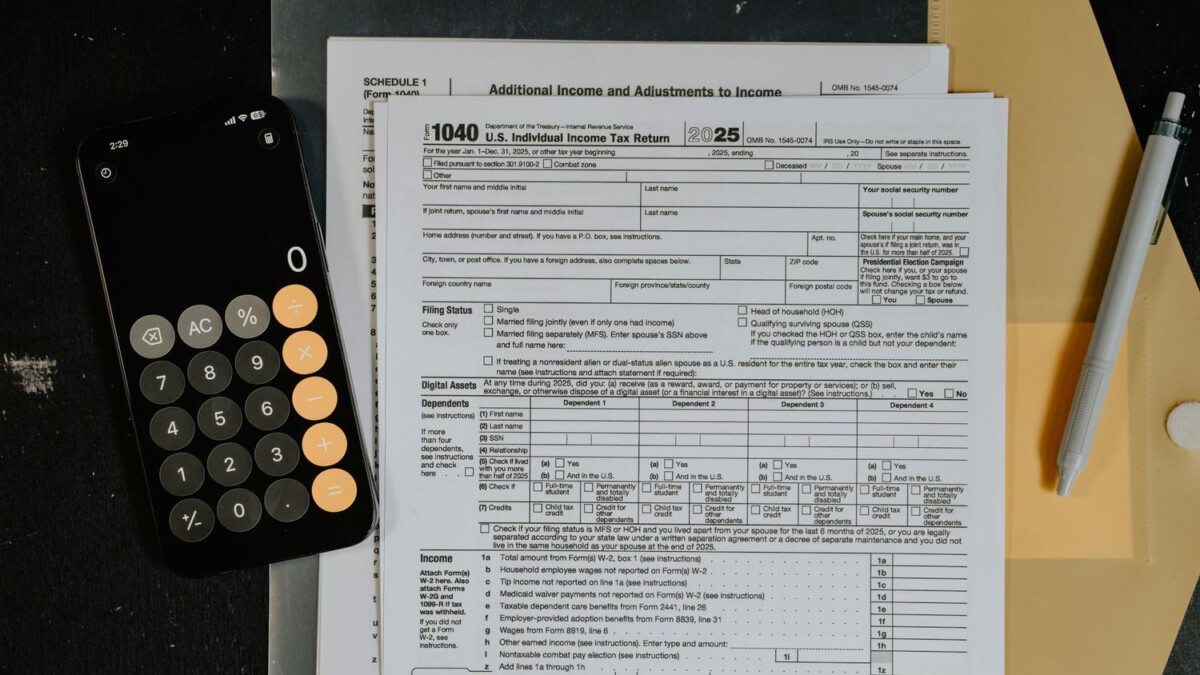
Our New Health Plan Offers an HSA. Is the Triple Tax Benefit Worth the Hassle of Saving Decades of Receipts? – Image for illustrative purposes only (Image credits: Unsplash)
Workers selecting employer health coverage often encounter an option that pairs a high-deductible plan with a health savings account. The arrangement promises tax advantages that extend across contributions, growth, and withdrawals. Yet the requirement to retain receipts for qualified medical expenses decades into the future raises practical questions about whether the savings justify the added record-keeping.
How the Triple Tax Benefit Works
Contributions to a health savings account reduce taxable income in the year they are made. Earnings inside the account then accumulate without annual tax reporting. When funds are used for eligible medical costs, the withdrawals remain tax-free as well.
This structure creates three distinct layers of tax relief that few other savings vehicles match. The benefit applies only when the account holder maintains documentation proving each expense qualifies under IRS rules. Without those records, the tax-free status of withdrawals can come under scrutiny during an audit.
Practical Savings for Everyday Families
A household that contributes the annual maximum over a working career can shelter substantial sums from federal income tax. The same dollars can later cover routine doctor visits, prescriptions, or even certain long-term care costs without triggering additional tax liability. Many participants report that the cumulative advantage becomes noticeable after five to ten years of consistent use.
Employers sometimes add matching contributions, further increasing the effective return. The funds roll over indefinitely, allowing balances to grow across decades rather than expiring at year-end. This flexibility supports both immediate healthcare needs and future retirement planning in a single account.
The Record-Keeping Challenge
Every qualified withdrawal requires proof that the expense meets IRS guidelines. Receipts must be stored safely for as long as the account remains open, which can span thirty or forty years. Digital folders, scanned documents, and dedicated apps help some families stay organized, yet the volume of paperwork still grows steadily.
Many people find the process interrupts the very simplicity they seek when choosing health coverage. Others view the discipline as a reasonable trade-off for the tax reduction. The decision often hinges on personal tolerance for administrative tasks versus the desire to maximize take-home pay.
Strategies That Reduce the Burden
Account holders can adopt straightforward habits that limit future headaches. Keeping a dedicated email folder for medical statements and using a single credit card for all healthcare purchases creates an automatic trail. Annual reviews of the account statement help catch discrepancies early.
Some families designate one person to handle documentation, while others rotate the responsibility. Professional tax software now includes HSA tracking features that export reports directly to filing systems. These steps do not eliminate the requirement but make compliance far less time-consuming.
Key considerations for deciding on an HSA:
– Estimate annual medical spending to gauge contribution size.
– Review employer matching policies before enrollment.
– Choose a record-keeping system that fits existing routines.
– Reassess the account annually as healthcare needs change.
Ultimately, the triple tax benefit delivers measurable value for those willing to maintain basic documentation. Families who view the paperwork as manageable often find the long-term tax reduction outweighs the inconvenience. Those who prefer minimal administrative effort may explore other coverage options that avoid the receipt requirement altogether. The choice remains personal and depends on individual priorities around savings and organization.