
Over the years, I’ve walked through countless homes where homeowners poured their hearts into DIY projects, only to watch buyers turn away at open houses. These upgrades often start with good intentions and a weekend toolkit, but they end up signaling cheap fixes or personal tastes that don’t match what most families want. In today’s market, where homes need to appeal broadly to sell fast, certain quick changes can quietly chip away at your property’s worth.[1][2]
Buyers spot sloppy work or odd choices right away, and it makes them mentally subtract repair costs from their offers. Simple swaps like fresh paint or hardware usually pay off, yet some popular Pinterest ideas backfire hard. Let’s look at three common culprits I’ve seen tank resale values time and again.[3]
1. Peel-and-Stick Backsplash Tiles
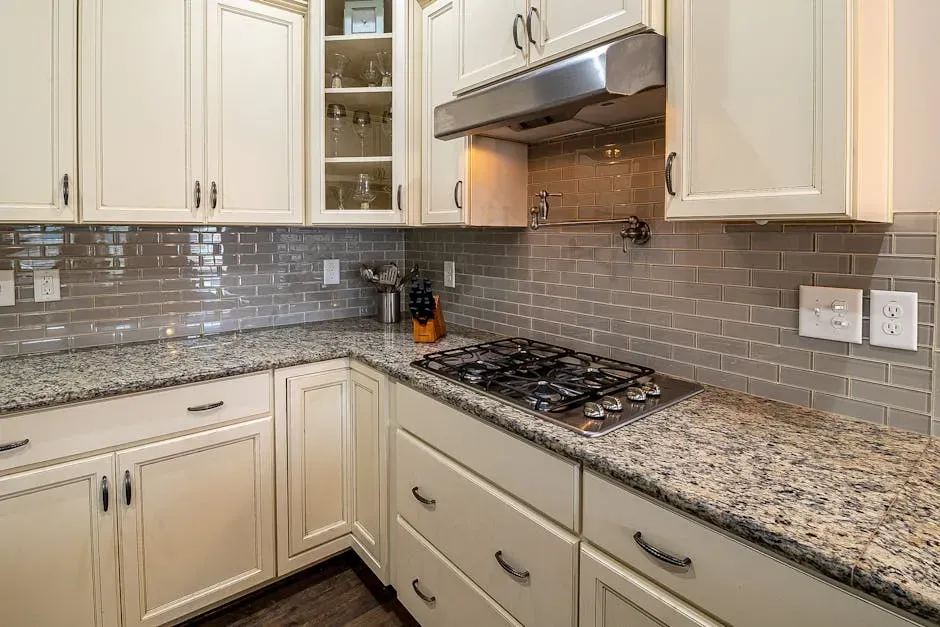
Those peel-and-stick tiles promise an easy kitchen glow-up, but they often bubble, peel, or look tacky up close. Buyers run their fingers along the edges during showings and immediately picture the demo day ahead. I’ve had offers drop by thousands because the “upgrade” screams temporary fix rather than lasting quality.[4]
Professional tile work recoups value, yet these DIY versions signal corners cut on purpose. In one listing last year, the entire kitchen offer hinged on replacing that backsplash first. Skip them for real tile or even paint if you’re going solo.[1]
2. Bold Wallpaper or Dark Paint Colors
Slapping up trendy wallpaper or going bold with deep blues and blacks feels fresh at first, but it turns rooms into caves that scare off neutral-loving buyers. Most folks envision their own style, not wrestling with removal or multiple primer coats. Dark walls especially make spaces feel smaller, a big no in tight inventories.[2][4]
Agents like me advise sticking to soft grays or whites that let natural light shine. One seller ignored that and spent weeks repainting after lowballs. Wallpaper’s mess alone can cost more to undo than it ever added.[1]
These choices personalize too much, shrinking your buyer pool right when competition heats up.
3. Open Shelving by Removing Kitchen Cabinets
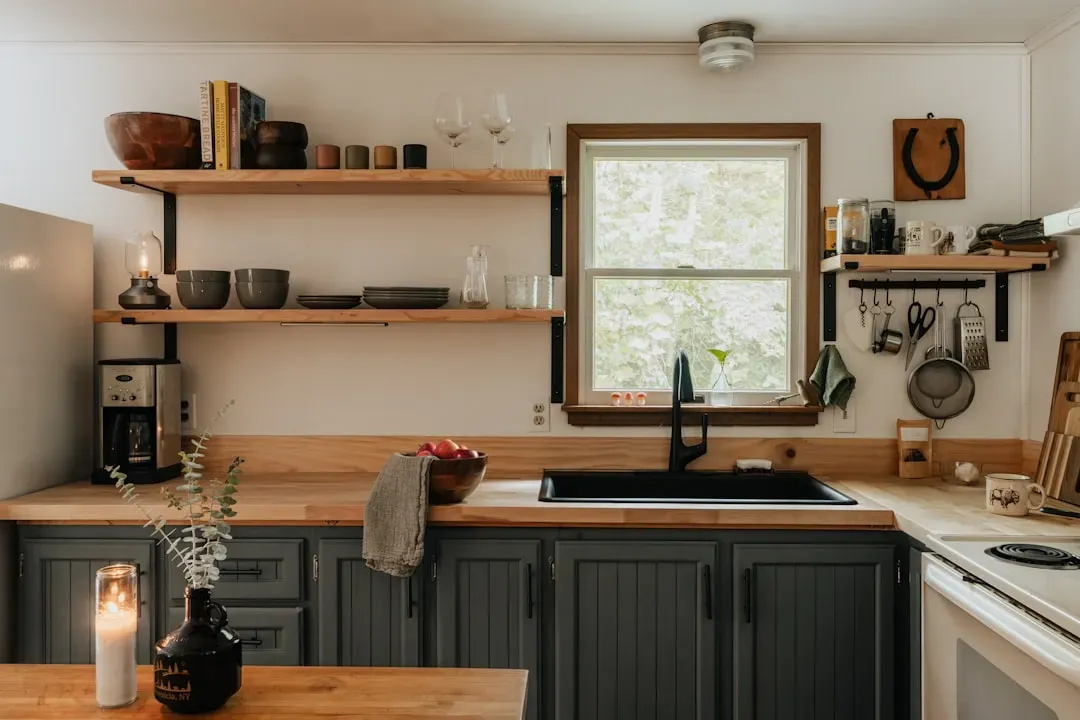
Ripping out upper cabinets for open shelves looks airy online, but it guts storage that families crave for dishes and pantry overflow. Buyers with kids see chaos potential, not Instagram vibes. I’ve staged kitchens this way only to hear complaints about lacking closed space every tour.[4]
This DIY hits hard because kitchens drive offers, and less utility means lower comps. Stash the doors and reinstall before listing, or keep cabinets intact. Properties with solid storage close quicker and closer to ask.[1]
Visible dust traps on open shelves also turn off neat freaks scouting for turnkey homes.
Why These Hurt and What to Do Instead
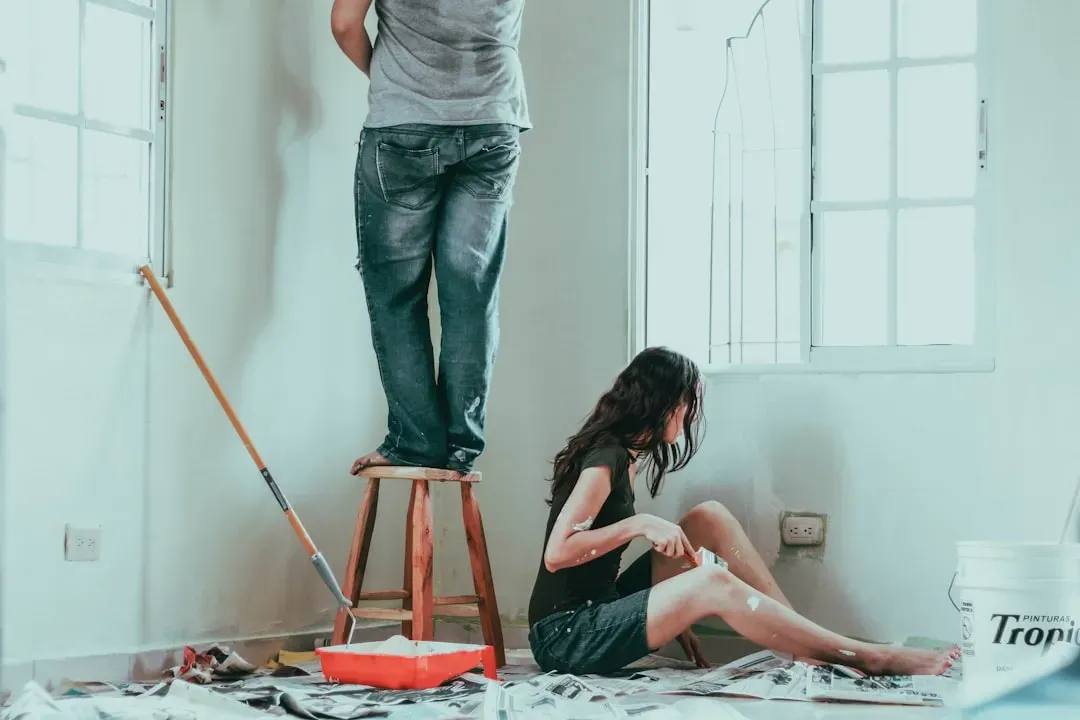
Bad DIY stands out because pros deliver seamless finishes that buyers trust. Sloppy edges or mismatched vibes whisper “fixer-upper,” even in updated homes. Zillow notes botched work leads to offer deductions that erase any savings.[3]
Focus on neutrals, storage, and clean lines instead. Fresh hardware, LED lights, or minor decluttering often boosts appeal without risk.
Final Thoughts
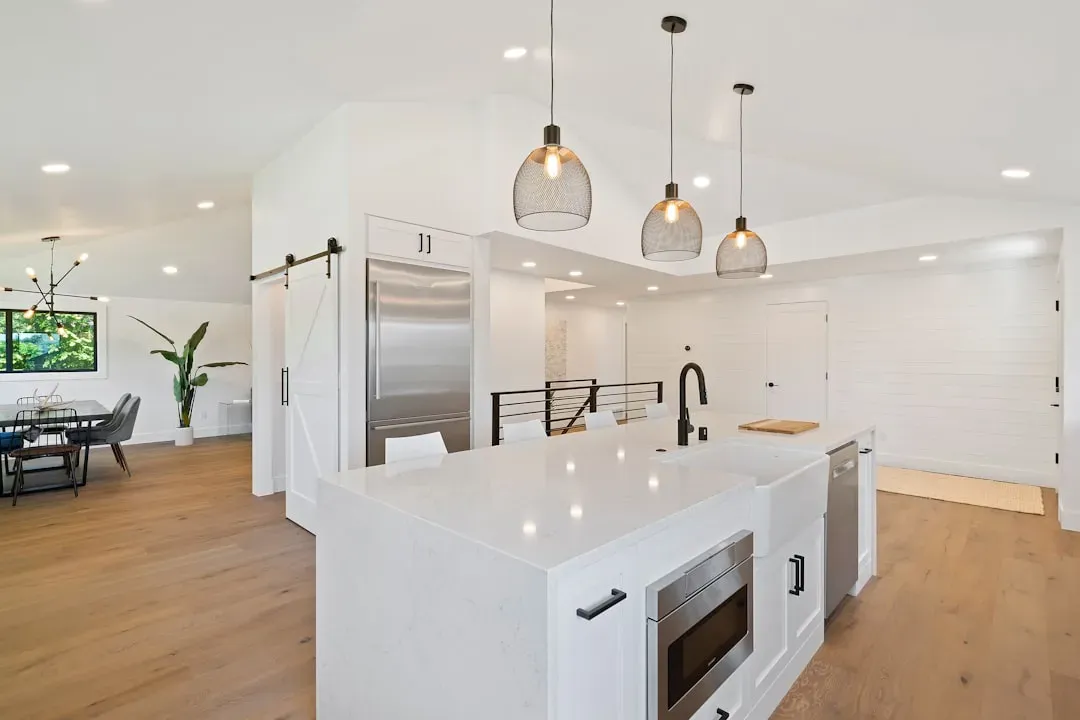
Stick to upgrades that match neighborhood norms and buyer checklists. Chat with a local agent before swinging that hammer, especially in 2026’s picky market. Your home’s value thrives on broad appeal, not bold experiments.[5]