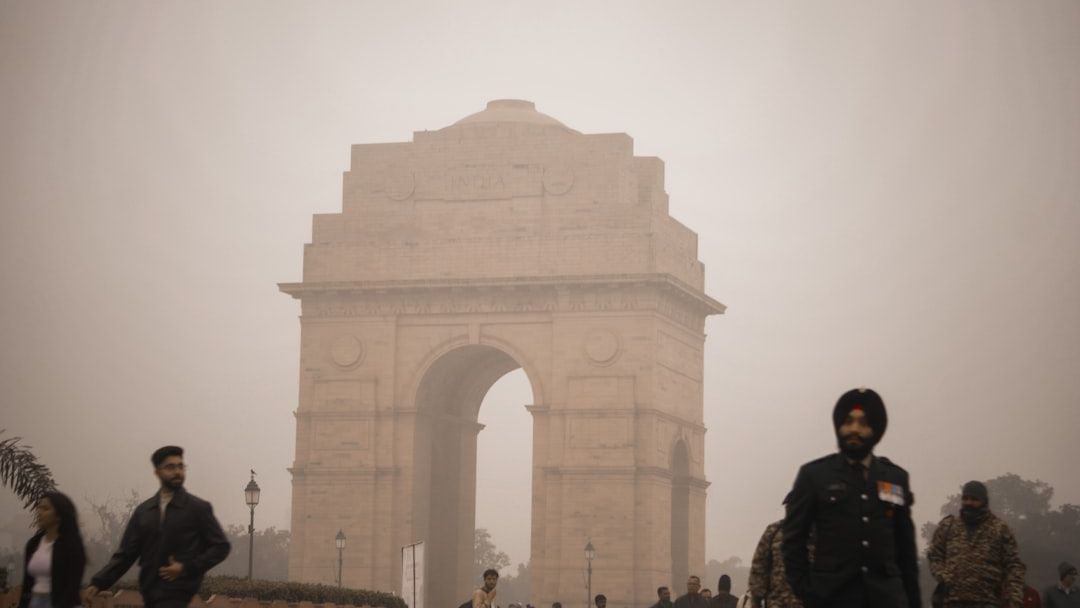
Photos show India sweltering under a severe heat wave – Image for illustrative purposes only (Image credits: Unsplash)
Across large stretches of India this May, daily routines have shifted under the weight of persistent high temperatures. The India Meteorological Department has flagged severe heatwave conditions in multiple states, with forecasts pointing to continued pressure on northwest and central regions through the coming days. Residents in affected areas are adjusting work schedules, hydration habits, and outdoor activities to cope with the sustained warmth.
Regional Patterns Emerging This Season
Forecasts indicate that heatwave conditions are likely to hold across parts of Rajasthan, Uttar Pradesh, Madhya Pradesh, and neighboring states. Temperatures in several locations have already moved well above seasonal norms, with some western and central districts recording peaks that exceed 46 degrees Celsius in recent weeks. The pattern shows limited nighttime relief in many places, extending the strain on both urban and rural communities.
East India is also under watch for the next several days, while southern peninsular areas have so far escaped the most intense spells. This early onset has drawn attention because it arrives before the typical peak of summer, leaving less time for gradual adaptation.
Everyday Adjustments Taking Hold
People are finding practical ways to manage the heat. Many offices and schools have introduced flexible timings or extended breaks during the hottest hours. Markets and public spaces see reduced footfall in the afternoon, while evening activity picks up once temperatures ease slightly.
Local authorities have stepped up public messaging on staying indoors when possible and recognizing early signs of heat-related discomfort. These small but consistent changes reflect a broader effort to protect vulnerable groups, including outdoor workers and the elderly.
Power Systems and Infrastructure Under Pressure
Electricity demand has reached new highs in several states as air conditioning and cooling equipment run longer than usual. Grid operators are monitoring supply closely to avoid disruptions during peak periods. The added load highlights how extreme weather events increasingly test energy infrastructure built for more moderate conditions.
At the same time, water utilities are urging conservation to maintain supply amid higher evaporation rates. These interconnected pressures show how one weather pattern can ripple through multiple sectors at once.
Looking Ahead With Measured Preparation
Health agencies continue to emphasize basic precautions such as frequent water intake, light clothing, and avoiding direct sun exposure between late morning and mid-afternoon. States have activated heat action plans that include setting up cooling centers and stocking essential supplies.
While the current spell is expected to ease in some areas by late May, forecasters note that similar conditions could return later in the season. The focus remains on steady vigilance rather than dramatic shifts, allowing communities to maintain normalcy where possible while staying ready for further fluctuations.