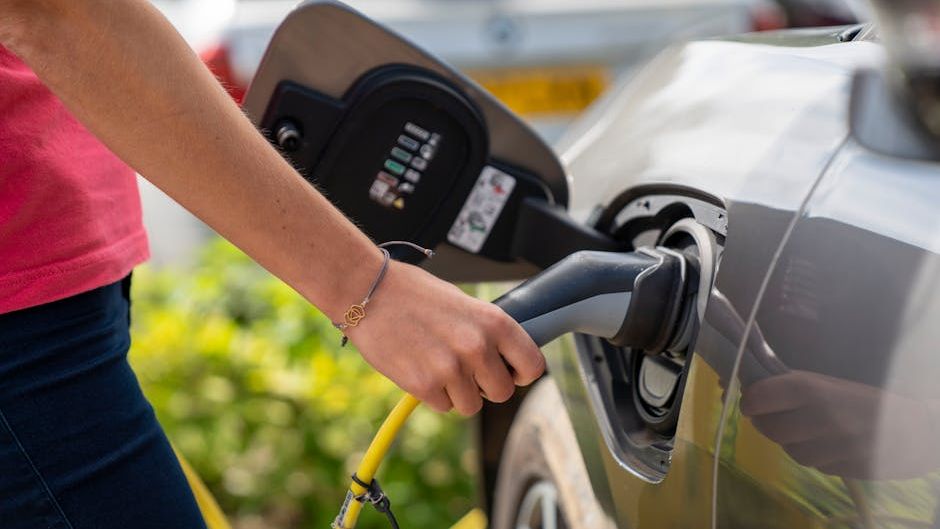
Reeves’s pay-per-mile EV tax ‘could cost Treasury £4.8bn’, industry coalition warns – Image for illustrative purposes only (Image credits: Pexels)
A coalition of trade organizations has cautioned Chancellor Rachel Reeves that her proposed pay-per-mile tax on electric vehicles could result in a £4.8 billion shortfall for the Treasury. The levy, set to begin on April 1, 2028, aims to generate revenue from EV drivers but might suppress car sales enough to erase those gains and more. Representatives from energy infrastructure, charging networks, and renewable sectors outlined their concerns in a letter to Exchequer Secretary Dan Tomlinson, highlighting potential damage to Britain’s clean transport growth.
Details of the Proposed Levy
The tax targets fully electric cars at 3 pence per mile and plug-in hybrids at 1.5 pence per mile. Announced during the November 2025 Budget, officials projected it would bring in £1.1 billion during 2028-29, with receipts climbing to £1.9 billion by 2030-31. These estimates assumed steady adoption of low-emission vehicles amid the shift away from petrol and diesel models.
Yet the policy arrives as electric vehicle sales have picked up recently, driven by fluctuating fuel costs linked to global oil market tensions, including the Iran conflict. Industry groups contend this momentum could reverse sharply under the new duty, altering the fiscal calculus.
Projected Losses and Economic Ripple Effects
Analysis from Beama, which represents energy infrastructure firms, estimated a £630 million drop in VAT receipts for 2028 alone if buyers delay EV purchases. In a broader scenario, where consumers also hold off on ordering traditional vehicles before the combustion-engine phase-out, the total economic impact could hit £4.8 billion. Electric vehicles typically carry a £6,000 price premium over petrol or diesel counterparts, amplifying VAT losses from fewer sales.
The coalition emphasized risks to small and medium-sized enterprises in the EV supply chain. Independent charge-point installers, fleet operators, and clean-tech startups have expanded based on expectations of rising demand. A sales slowdown could strain these businesses, which rely on consistent growth for investments and hiring.
| Forecast Source | 2028-29 Revenue Projection | Potential Losses |
|---|---|---|
| Treasury | £1.1 billion gain | N/A |
| Industry (Beama) | £630 million VAT loss (2028) | Up to £4.8 billion cumulative |
Overseas Examples Raise Red Flags
Signatories including Beama, ChargeUK, EVA England, and the Renewable Energy Association cited international cases to bolster their argument. Iceland’s pay-per-kilometer charge led to a 75 percent plunge in new EV sales during 2024. New Zealand experienced a 50 percent decline after implementing a similar measure.
These precedents suggest the British tax could mirror such disruptions, especially given the higher VAT yield from pricier EVs. “Introducing the pay-per-mile policy early is a fiscal own goal,” stated Matt Adams of Beama. “It will slow EV uptake, reduce EV charging investments and cost the UK economy more than the Treasury stands to raise with the taxation.”
Government Stance and Path Forward
Jarrod Birch, policy head at ChargeUK, criticized the timing. “EVs are experiencing a surge of interest as an alternative to roller-coaster petrol prices,” he said. “Government should be doubling down on the transition by making buying and charging an EV affordable for all.”
A Treasury spokesperson reaffirmed commitment to the sector, noting incentives that save drivers up to £3,750 on new cars and over £3 billion invested in manufacturing and charging infrastructure. With implementation less than two years away, the debate underscores tensions between revenue needs and accelerating the net-zero shift. The coming months will reveal if adjustments address these industry warnings or if the policy proceeds as planned.