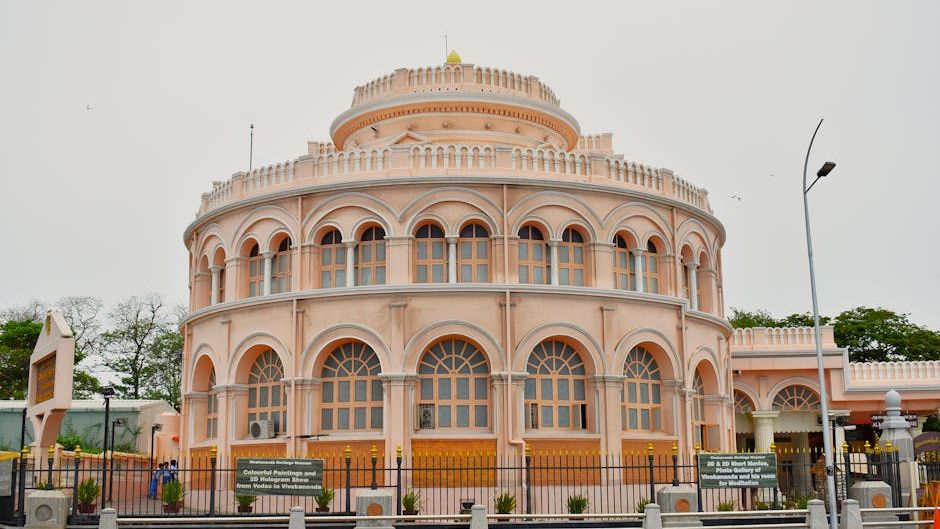
JCD Prabhakar elected speaker of 17th Tamil Nadu Assembly unopposed – Image for illustrative purposes only (Image credits: Pexels)
The 17th Tamil Nadu Assembly has completed its initial leadership selections through uncontested votes. JCD Prabhakar now holds the speaker position, while M Ravishankar has been named Deputy Secretary. These outcomes reflect a straightforward start to the assembly’s term.
Leadership Roles Confirmed Without Contest
JCD Prabhakar’s election as speaker took place in a single, unified decision by the members. The absence of any opposing candidate allowed the process to conclude quickly and without debate. This approach aligns with standard procedures when consensus exists on key appointments.
At the same time, M Ravishankar received the Deputy Secretary role through the same unopposed method. Both selections occurred during the opening sessions of the new assembly. The combined result provides immediate clarity on who will manage daily operations and procedural matters.
Assembly Operations Begin
With the speaker and deputy secretary in place, the 17th Tamil Nadu Assembly can now move forward on its scheduled business. The speaker position carries responsibility for maintaining order during debates and overseeing legislative proceedings. The deputy secretary supports these functions by handling administrative and record-keeping duties.
Assembly members have shown unity in these early votes, which sets a practical tone for upcoming sessions. No delays or disputes have been reported in the leadership confirmation. This efficiency allows focus to shift directly to policy discussions and legislative priorities.
Next Steps for the New Term
The confirmed leadership will guide the assembly through its initial agenda items in the coming weeks. Routine matters such as committee formations and question hours are expected to follow standard timelines. Observers note that the unopposed elections reduce early friction and support steady progress.
Further developments in the assembly will depend on the legislative calendar and member proposals. The current structure positions the body to address state matters without procedural interruptions at the outset.