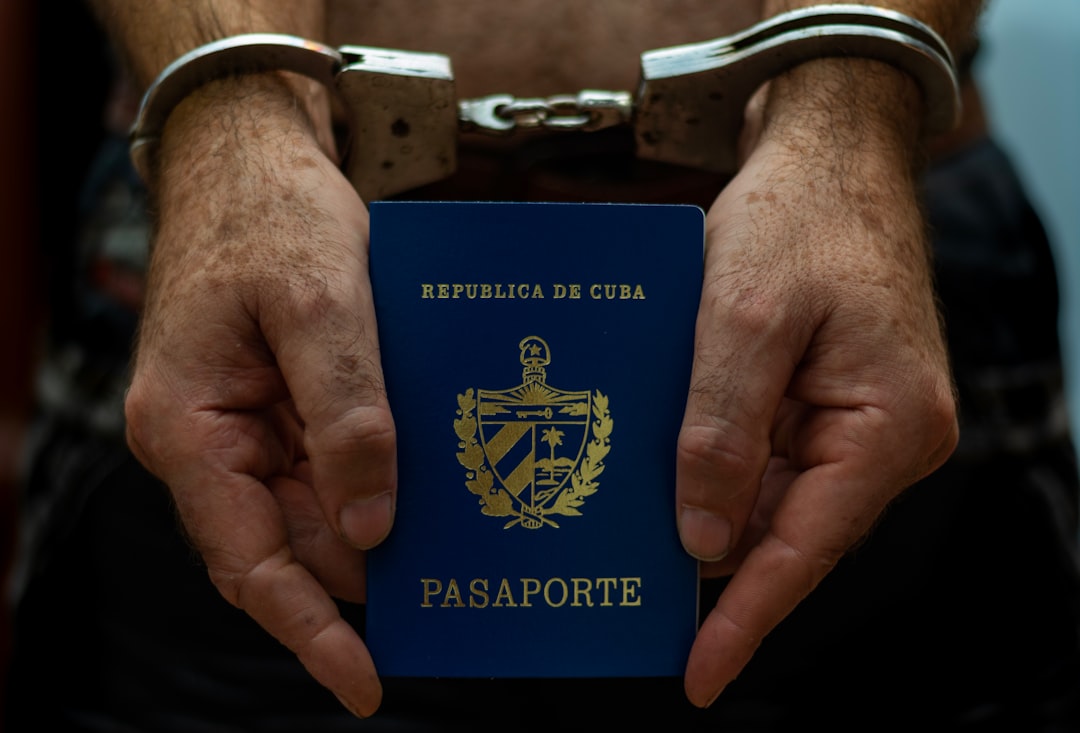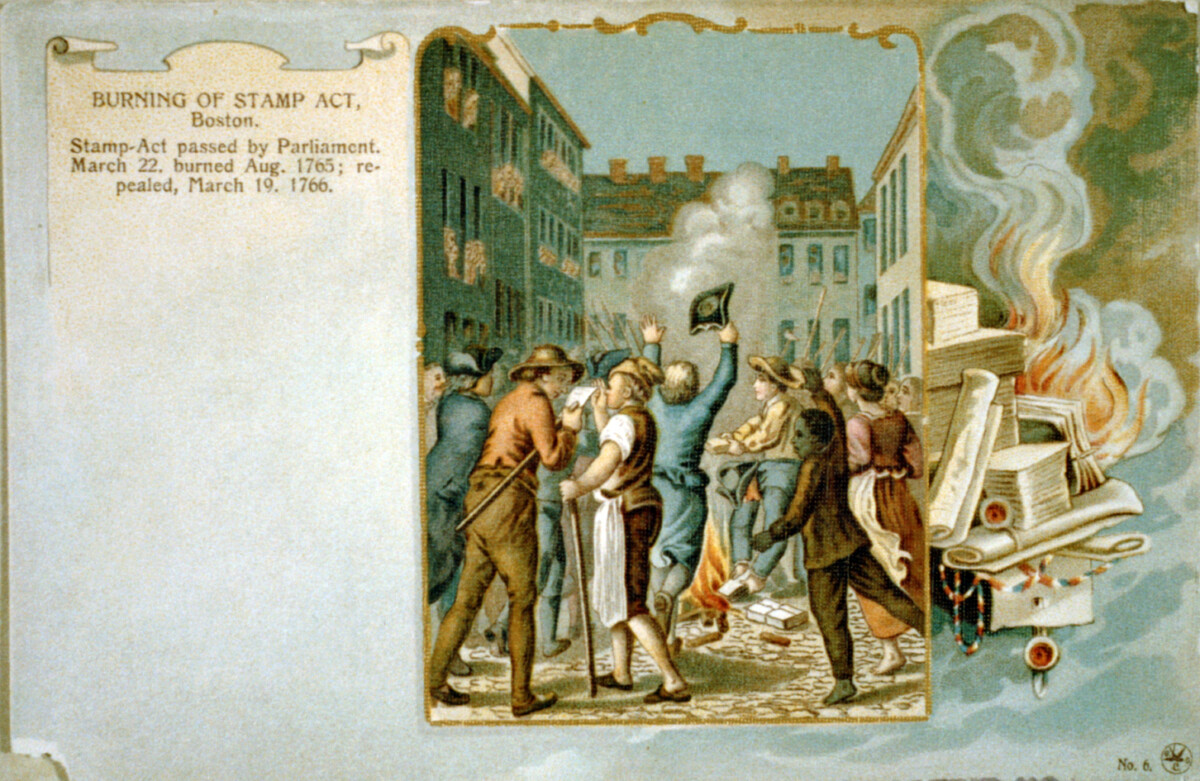
Real king schools wannabe god-emperor – Image for illustrative purposes only (Image credits: Unsplash)
Washington — King Charles III spoke to a joint session of Congress in a moment rich with symbolism. The British monarch navigated delicate transatlantic tensions with measured grace, while American leaders seated behind him projected an image of unified allegiance to their own political figurehead. The scene revealed deeper divides in how power and loyalty manifest across the Atlantic.
Attire as a Statement of Allegiance
Prominent figures like the vice president and House speaker appeared in matching blue suits, white shirts, and red ties — attire long associated with one dominant faction in U.S. politics. This visual uniformity extended beyond the front row, signaling a collective deference that overshadowed the occasion’s diplomatic weight. Observers noted how this display contrasted sharply with the independence expected of elected officials in a republic.
King Charles, by contrast, embodied ceremonial restraint. No such partisan markers adorned the visitors from the United Kingdom. The juxtaposition prompted reflection on evolving norms in American governance, where personal loyalty to a single leader appeared to eclipse institutional traditions.
Ambitions Beyond Republican Ideals
Critics have pointed to numerous initiatives that evoke monarchical grandeur rather than democratic restraint. Official buildings bore oversized banners, performance venues and peace institutes received new names, and even currency designs shifted to emphasize one individual’s legacy. Proposals for triumphal arches, themed ballrooms, redesigned public spaces, updated passports, and military vessels named after the same figure further fueled the narrative.
National park access and reflecting pools underwent reimagining in a personal style, while actions like bypassing legislative hurdles, ignoring judicial rulings, initiating conflicts without broad consultation, and targeting opponents legally drew widespread concern. These steps, often framed as patriotic by supporters, struck many as departures from founding principles. The Republican contingent in Congress, clad in their signature colors, sat as witnesses to this shift during the king’s address.
Strains in the Special Relationship
British officials have grappled with a U.S. administration that has tested longstanding alliances. Prime Minister Keir Starmer referred to as “my” prime minister by Charles, pursued a strategy blending flattery and firmness. European partners, alarmed by threats toward NATO members and unilateral moves, cycled through concessions and direct challenges.
Britain’s ambassador to Washington, Sir Christian Turner, recently described the “special relationship” as nostalgic during a talk with students. He emphasized enduring defense ties but highlighted Israel as the primary beneficiary of close U.S. bonds today. The king’s visit, complete with state honors and photo opportunities, served as a calculated effort to sustain influence amid these uncertainties.
Key Diplomatic Signals:
- Flattery through pomp and ceremony.
- Tough rhetoric on NATO commitments.
- Subtle nods to shared legal heritage.
Echoes of Shared Foundations
Charles invoked the Magna Carta, cited in over 160 U.S. Supreme Court cases since 1789 as a cornerstone of executive limits and checks. He tied this to mutual legal traditions binding the two nations. The reference landed amid debates over power concentration.
Recalling September 11, when NATO allies invoked Article 5 for the first time to support the U.S., Charles highlighted collective resolve. He pivoted to current crises: “Today, Mr. Speaker, that same, unyielding resolve is needed for the defense of Ukraine and her most courageous people.” The speech closed with Abraham Lincoln’s legacy and a call to resist inward turns, upholding alliances with Europe and beyond.
Bound by constitutional roles, the king conveyed these points without overt criticism. Yet the timing and phrasing resonated as a gentle corrective, especially with the event’s host and nearby attendees linked to opposing visions.
The address left a lasting impression of poise amid polarization. As transatlantic partners recalibrate, such moments underscore the value of restraint in leadership.