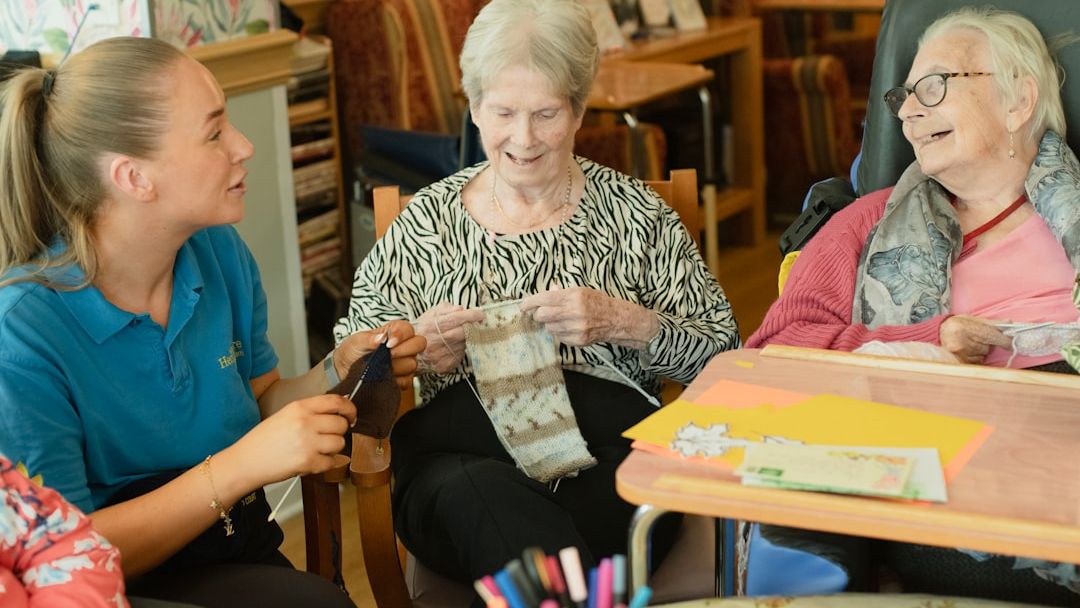
Local Charities Helping Seniors in Massachusetts – Image for illustrative purposes only (Image credits: Unsplash)
Massachusetts — Older adults across the state grapple with soaring rents and everyday essentials that stretch fixed incomes thin. With nearly one in five residents aged 65 or older, many rely on community nonprofits to bridge gaps in food access, bill payments, safe transportation, and home maintenance. These local groups offer swift, targeted aid without the bureaucracy of larger programs, often proving the difference between stability and hardship.
Starting Points for Urgent Needs
When immediate threats like hunger, eviction notices, or utility shutoffs loom, local charities respond faster than broader systems. Dialing 2-1-1 connects callers to nearby nonprofits handling food, rent, heat, and transport crises, though these services refer rather than fund directly. For those facing hospital discharges or tight deadlines, phoning emergency intake lines at groups like Catholic Charities or the Salvation Army yields the quickest results.
Preparation matters: state the urgency, deadline, and location upfront. Charities prioritize cases where intervention can prevent escalation, such as paying a utility bill directly to the provider instead of issuing cash.
Food Pantries and Regional Networks Lead the Way
Project Bread’s FoodSource Hotline serves as a statewide gateway, linking seniors to pantries, meal deliveries, and SNAP guidance via a single call or text to 1-800-645-8333. Regional food banks tailor support to geography, with the Greater Boston Food Bank covering eastern areas through zip-code locators for senior boxes and mobile markets. In Worcester County, its food finder pinpoints sites in towns like Fitchburg and Leominster, while the Food Bank of Western Massachusetts aids rural spots in Berkshire and Hampden counties.
Expect variations: some sites require minimal ID or household details, others none at all. Seniors often arrange proxy pickups or home delivery, easing mobility barriers. Calling ahead confirms hours and senior-specific options, as schedules shift frequently.
Faith-Based and Nonprofit Aid for Bills and Basics
Catholic Charities branches in Boston and Worcester tackle rent, utilities, fuel, and clothing through emergency funds and case management, open to all regardless of faith. The Salvation Army’s local units extend similar one-time assistance for mortgages, prescriptions, and transport across the state. Jewish Family Service agencies, like those in Metrowest and Greater Boston, address isolation and care planning beyond financial aid.
Funds deplete quickly, so persistence pays: if one office lacks resources, they refer to active alternatives. These groups favor direct payments to vendors, safeguarding aid from misuse.
| Need | First Contact | Typical Ask |
|---|---|---|
| Food shortage | Project Bread hotline | Nearby pantry or delivery |
| Rent/utility crisis | Catholic Charities/Salvation Army | Emergency intake docs |
| Medical ride | FriendshipWorks | Volunteer escort match |
| Home safety issue | Rebuilding Together | Repair application review |
Transportation, Repairs, and Companionship Solutions
Volunteer-driven rides from FriendshipWorks or Neighbor Brigade chapters fill gaps for medical trips, often including escorts for reassurance in Greater Boston and beyond. Aging-in-place villages like Boston Village provide member rides, errands, and social links within neighborhoods. Home repairs target safety via Rebuilding Together Boston, Habitat affiliates in MetroWest and Worcester, or Revitalize CDC in the west, focusing on ramps, leaks, and grab bars for low-income owners.
Advance planning is key, as volunteer schedules and project queues build up. Groups assess eligibility through ownership proof and hardship details, prioritizing health risks over cosmetics.
Targeted Help for Legal, Health, and Community Needs
Nonprofit legal resources shine for evictions, benefits disputes, and abuse via the Mass Legal Resource Finder or Central/Western Massachusetts’ Community Legal Aid. Community health centers offer care coordination and coverage navigation, with Health Care For All’s HelpLine at 1-800-272-4232 aiding insurance snags. Specialized supports include Fenway Aging Project for LGBTQ+ elders, La Alianza Hispana for Latino seniors, and NAICOB for Native communities.
Volunteer companionship from FriendshipWorks combats loneliness, distinct from medical care. Caregiver respite referrals come through elder nonprofits, emphasizing planning over crisis response.
As Massachusetts’ senior population grows amid persistent high costs, these charities underscore community resilience. Yet their limits – fund shortages, area boundaries, waitlists – remind callers to chain referrals and pair aid with broader resources. For many elders, that first local connection sustains independence where larger safety nets fall short.