Records Trace Back Over 2,700 Years (Image Credits: Unsplash)
Stargazers across the Northern Hemisphere now enjoy a clear shot at the Lyrid meteor shower, one of spring’s earliest cosmic highlights. The shower runs through late April, with its climax arriving in the early hours of April 22. Dark skies bolstered by a slim waning crescent moon create ideal conditions for observers patient enough to linger past midnight.[1][2]
Records Trace Back Over 2,700 Years
Chinese astronomers first documented the Lyrids in 687 B.C., describing meteors that fell like rain from the sky. This makes the shower the oldest known recurring celestial event observed by humans. NASA meteor expert Bill Cooke noted its enduring legacy: “The Lyrids are one of the oldest recorded showers, with observations going back to 687 B.C.”[1]
Throughout history, the Lyrids produced memorable outbursts. Reports from 15 B.C. in China, 1136 in Korea, and 1803 in Virginia captured intense displays. More recent surges occurred in 1922 over Greece, 1945 in Japan, and 1982 across the United States. These events remind viewers of the shower’s potential for surprise.[1]
April 22 Delivers the Height of Activity
Astronomers predict the peak at 19:15 UTC on April 22, translating to late night or predawn hours depending on location. The shower activates from April 15 to 29, but the nights of April 21-22 and 22-23 offer the strongest shows. Observers reported early sightings as the stream approached Earth.[2][3]
Expect 15 to 20 meteors per hour under perfect conditions, measured as a zenithal hourly rate of 18. Fireballs – brighter, slower streaks – often punctuate the display. Though outbursts can spike rates to 100 per hour, forecasters view them as unpredictable.[1]
Follow Vega to the Heart of Lyra
The radiant, the apparent origin point, sits in the constellation Lyra near brilliant Vega. This star rises in the northeast around 9 or 10 p.m. local time, climbing higher as the night progresses. By predawn, the radiant overhead maximizes meteor trails.[4]
Meteors seem to radiate outward, but they streak anywhere in the sky. Northern Hemisphere viewers gain the advantage, as the radiant favors higher latitudes. Southern observers may spot fewer due to the low position.[3]
Master These Steps for Clear Sights
Success hinges on preparation and patience. Head to a remote site far from city glow, where light pollution fades. Lie back in a chair or on a blanket, facing east, and scan the dome above.[1]
Key strategies include:
- Arrive after midnight, post-moonset, until dawn for darkest hours.[2]
- Allow 20 to 30 minutes for eyes to dark-adapt – no phone screens or flashlights.
- Skip telescopes or binoculars; naked eyes catch faint trails best.
- Dress warmly and bring comfort items for hours outdoors.
- Check local weather for clear skies ahead of peak night.
Comfort sustains the vigil, as meteors arrive sporadically. Photography enthusiasts can capture streaks with wide-angle lenses and long exposures, though casual viewers thrive without gear.[1]
Favorable Conditions Boost 2026 Prospects
A waxing crescent moon at 27% illumination sets early, yielding moonless skies during prime time. This rarity sharpens contrast for dimmer meteors. Clear weather in many regions further aids the event.[2]
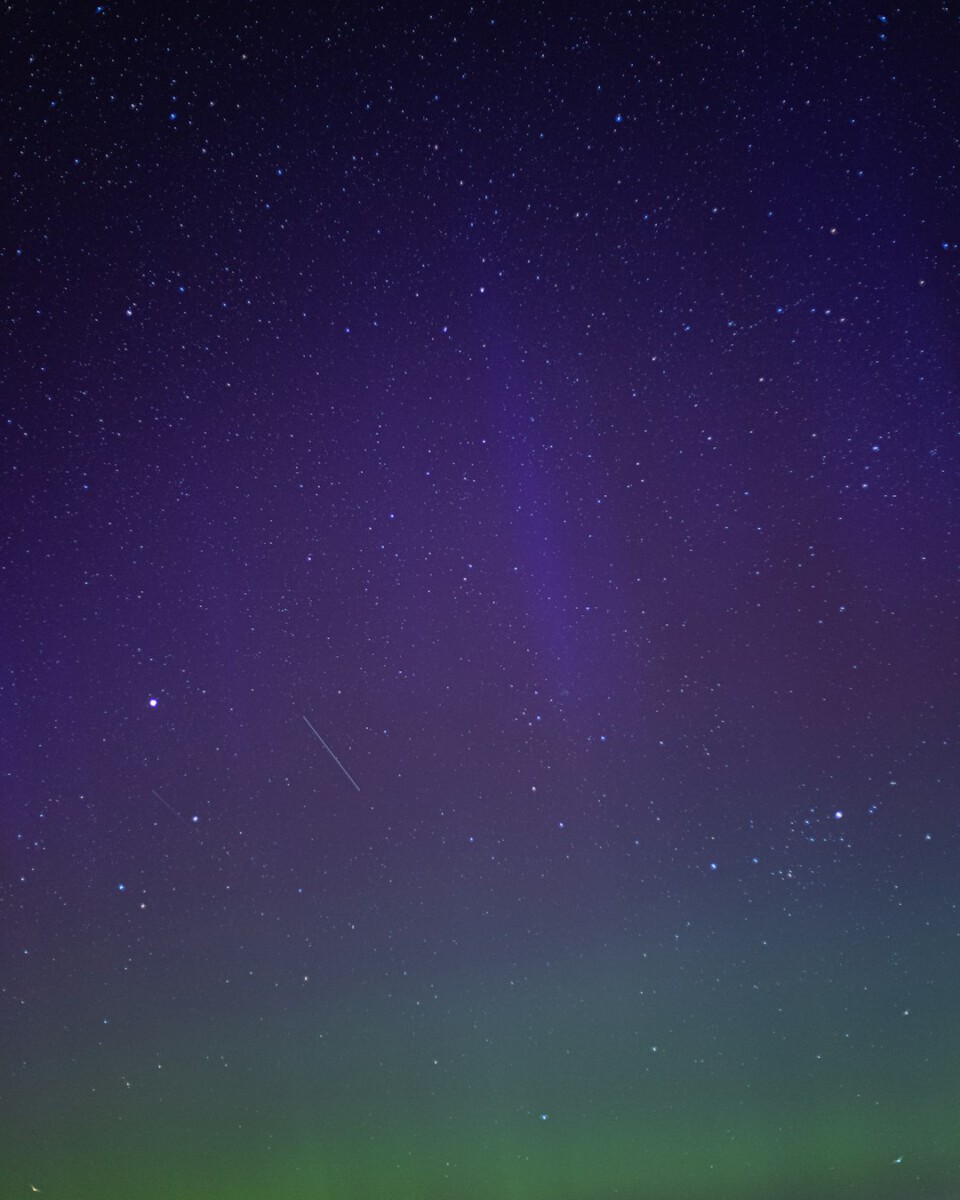
Earth plows through debris from Comet C/1861 G1 (Thatcher), shedding particles that ignite at 110,000 mph. The Lyrids’ swift paths yield bright, brief flashes. Viewers often describe the quiet thrill of unexpected streaks piercing the velvet black.[1]
Key Takeaways
- Target April 21-22 after midnight for up to 20 meteors hourly.
- Seek dark sites; let eyes adjust fully for best results.
- Trace meteors to Lyra near Vega, but watch the whole sky.
The Lyrids deliver a timeless reminder of our place under the stars, blending ancient history with modern wonder. Grab a spot soon before the shower fades. What was your best meteor memory? Share in the comments.