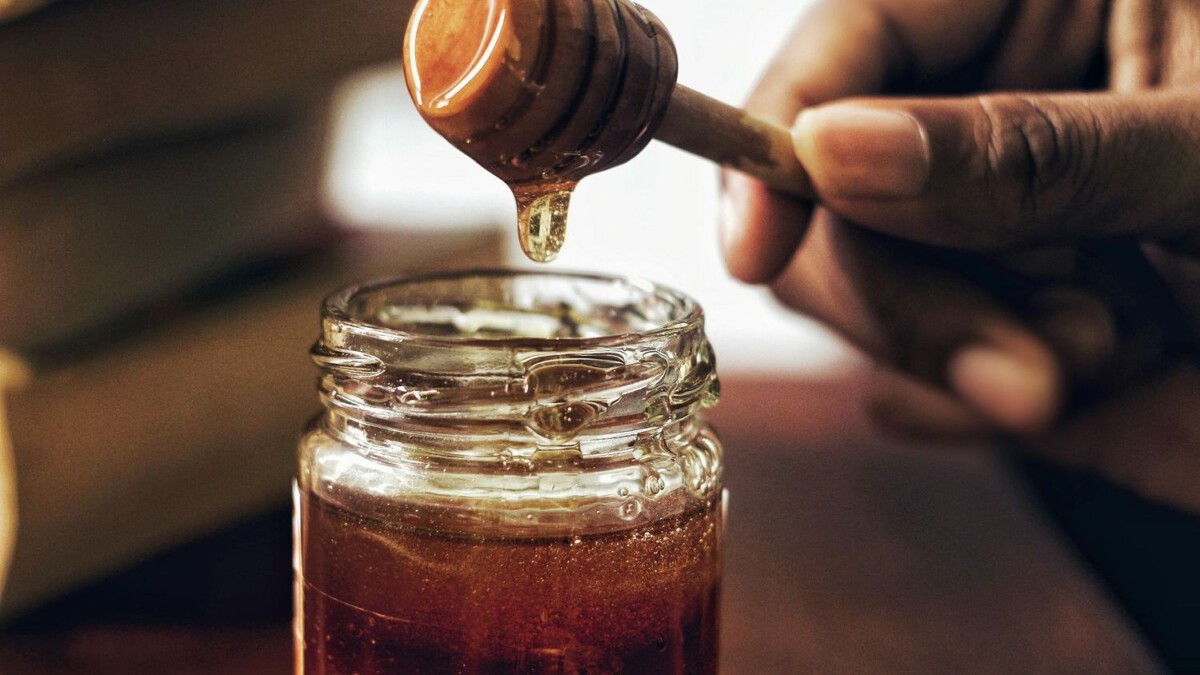
How to Spot Fake Manuka Honey: A Complete Guide – Image for illustrative purposes only (Image credits: Unsplash)
Consumers spending $40 to $200 on a jar of premium Manuka honey often walk away with a counterfeit product diluted or mislabeled to mimic the real thing. New Zealand produces just 1,700 tons of authentic Manuka annually, yet around 10,000 tons labeled as such flood global markets, including U.S. shelves. This stark gap leaves shoppers vulnerable to fraud that exploits the honey’s reputation for health benefits. Knowing the right checks can protect against wasting money on subpar imitations.
The Massive Gap Driving Manuka Honey Fraud
Genuine Manuka honey commands high prices due to its unique antibacterial properties from compounds like methylglyoxal, or MGO. Production remains limited to New Zealand, where strict conditions yield only a fraction of what sellers claim to offer. The surplus on store shelves stems from two main issues: outright fakes with no Manuka content and legitimate honey blended with cheaper varieties from other regions.
A UK government lab once tested retail samples and found four in ten lacked meaningful MGO levels. Overseas processors exacerbate the problem by repackaging bulk shipments, breaking the traceability chain. Shoppers face these risks at supermarkets and online, where attractive labels obscure the truth. This economic incentive for dilution persists because blending a small amount of real Manuka with multifloral or imported honey boosts profits dramatically.
New Zealand’s Strict Export Rules for Authenticity
Since 2017, New Zealand’s Ministry for Primary Industries has enforced a clear definition for exported Manuka honey. Every batch must pass five lab tests: four chemical markers unique to Manuka nectar – 3-phenyllactic acid, 2-methoxyacetophenone, 2-methoxybenzoic acid, and 4-hydroxyphenyllactic acid – plus a DNA marker from Manuka pollen via PCR analysis. Failure on any test bars the honey from export as Manuka.
These standards set a baseline, but they focus on botanical origin rather than potency. Jars meeting this threshold still reach international markets only if packed domestically. Beyond MPI rules lies the UMF system, which adds tests for MGO potency, Leptosperin for authenticity, DHA for stability, and HMF for freshness. While MPI ensures basic legitimacy, UMF provides fuller assurance for buyers seeking therapeutic strength.
Essential Label Checks to Avoid Fakes
The jar’s label offers the quickest authenticity clues. Prioritize products with a UMF trademark and license number, verifiable on the UMFHA website. This certification confirms independent testing across multiple markers, outpacing basic export compliance.
Seek “Packed in New Zealand,” which guarantees sealing before export and minimizes tampering risks. “Product of New Zealand” indicates origin but allows overseas blending. Labels should specify monofloral – primarily Manuka nectar for higher potency – or multifloral status; vague terms like “Manuka blend” signal dilution.
- “Active” or “bioactive” without UMF or MGO ratings: Unregulated hype.
- “Manuka style” or “flavored”: Often zero real Manuka.
- High potency claims at bargain prices: Unrealistic for true grades.
- Missing origin or purity boasts without certification: Generic distractions.
What At-Home Tests Reveal – and Their Limits
Simple kitchen checks can flag heavy adulteration but fall short on Manuka specifics. In the water test, a spoonful dropped into cold water should sink intact rather than dissolve, pointing to syrup additions. The thumb test checks viscosity: real honey stays put without running.
Refrigeration overnight tests for artificial sugars, which may solidify, while genuine Manuka remains soft due to low moisture. Visually, authentic high-grade versions appear dark amber, thick, and creamy, not pale or runny. These methods detect basic fakes yet ignore MGO levels or botanical purity – lab verification alone confirms those.
| Standard | Focus | Guarantee Level |
|---|---|---|
| MPI Export | 5 markers (4 chemical + DNA) | Legal minimum for origin |
| UMF Certification | MGO, Leptosperin, DHA, HMF | Potency and full authenticity |
A Reliable Buying Process for Peace of Mind
Follow these steps to minimize risks before purchase. First, scan for UMF logo and license, cross-checking the producer database online. Confirm “Packed in New Zealand” and monofloral or multifloral labeling for clarity on strength.
Match price to grade: UMF 20+ jars from verified sources run $90-$150 for standard sizes, far above cheap claims. Research brands offering batch certificates or QR codes linking to test results and harvest details. Stick to UMFHA-listed producers for the safest options.
Armed with these tools, buyers reclaim control over premium purchases. The fraud persists, but verified standards and vigilant checks ensure real Manuka reaches those who value its benefits. In a market awash with imposters, traceability turns skepticism into confidence.