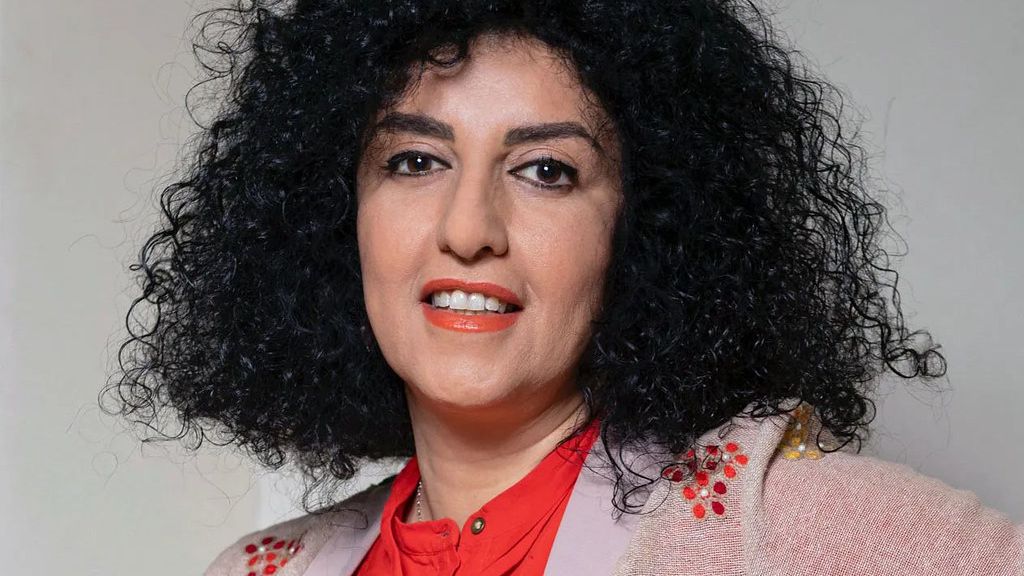
Iranian Nobel laureate Narges Mohammadi released from hospital – Image for illustrative purposes only (Image credits: Flickr)
In the Iranian capital, Nobel Peace Prize laureate Narges Mohammadi has returned from a hospital stay that lasted more than two weeks. Supporters announced the discharge on Monday and urged that she receive follow-up treatment and daily physiotherapy at home rather than returning to prison conditions. The development follows a period of acute medical concern that began with her sudden loss of consciousness while in custody.
A Sudden Transfer and Gradual Stabilization
Mohammadi, who is 54, was moved urgently from prison to a medical facility in northwestern Iran on May 1 after she collapsed and became unconscious. Medical staff there provided initial care before she was released on bail roughly ten days later. She was then taken to a hospital in Tehran for further evaluation by specialists.
The sequence of events left her family and advocates focused on ensuring she could recover without interruption. Throughout the process, her condition required close monitoring, and the shift to Tehran allowed access to more advanced diagnostic resources.
Long-Standing Health Concerns That Preceded the Latest Episode
Mohammadi’s health had already been declining before the May incident. Her family reported that she suffered a heart attack in March, an event that added to existing worries about her cardiovascular system. She has also lived with a blood clot in her lung that dates back to before her current imprisonment and requires regular blood-thinning medication along with ongoing observation.
Additional strain came from injuries sustained during her arrest in the northeastern city of Mashhad last December. Reports indicated she was beaten at that time, contributing to the overall deterioration observers have noted. These factors together created a situation in which any return to prison raised immediate questions about her ability to manage the necessary treatments.
Medical experts familiar with similar cases emphasize that conditions like pulmonary blood clots demand consistent medication schedules and periodic checks to prevent complications. Without stable access to such care, the risk of recurrence remains a central concern for those following her situation.
Repeated Imprisonment and the 2023 Nobel Recognition
Mohammadi has faced detention multiple times over the course of her career as a human rights advocate. Her most recent period of imprisonment began in December with the arrest in Mashhad. She received the Nobel Peace Prize in 2023 while already behind bars, an award that drew international attention to her work on women’s rights and political freedoms in Iran.
The pattern of arrests and releases has meant that periods of medical need often intersect with legal proceedings. Supporters have consistently argued that her continued incarceration complicates efforts to address her health requirements in a timely manner.
What Supporters Are Asking for Now
Following the hospital discharge, advocates have called for Mohammadi to remain at home so she can focus on recovery. They specifically highlighted the importance of daily physiotherapy sessions and regular follow-up appointments that would be difficult to arrange inside prison facilities.
The emphasis on home-based care reflects a broader view that stable surroundings and consistent medical routines offer the best chance for improvement. Observers note that any interruption in treatment could reverse the progress made during the recent hospital stay.
Key points for her recovery include continued blood-thinning therapy, monitoring for heart-related issues, daily physiotherapy, and avoidance of further physical strain.
Her case continues to illustrate the challenges faced by individuals whose activism places them at odds with authorities while also dealing with serious medical needs. As attention remains on her condition, the priority expressed by those close to her is straightforward: time and space for healing without additional obstacles.