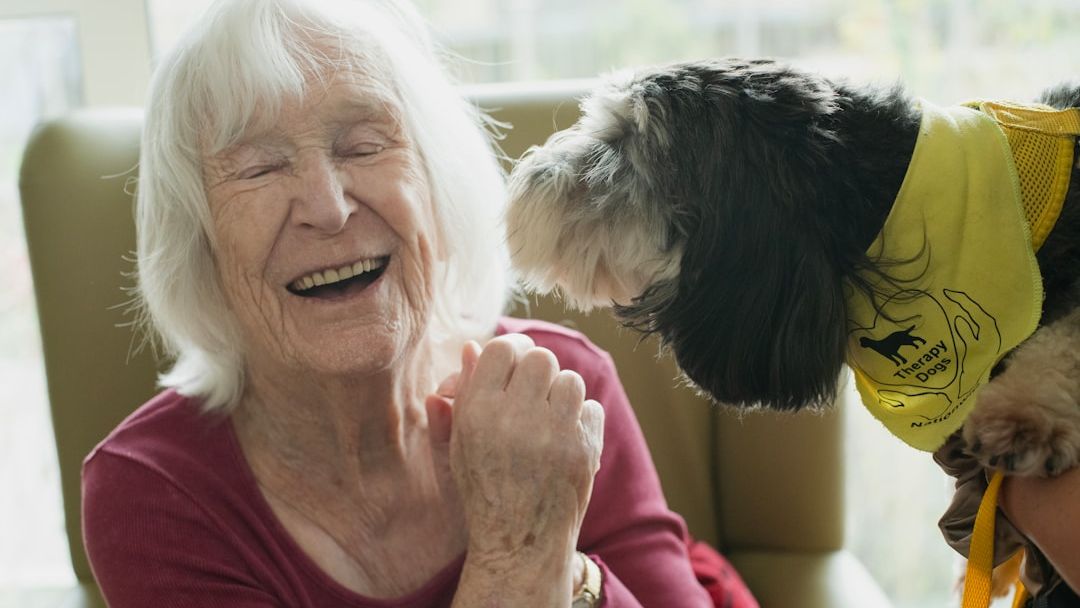

Picture this: a quiet afternoon where a wagging tail or a soft purr breaks the silence for someone over 50. Recent polls from 2025 reveal that more than half of adults in this age group now share their homes with pets, up slightly from years past.[1][2] These furry friends seem to weave into daily life in ways that touch health and happiness. Yet, the full story from cutting-edge studies in 2025 and 2026 paints a richer picture of companionship’s quiet power.
Let’s explore how new data uncovers these bonds. You might be surprised by the specific lifts pets provide, even amid real-world hurdles.
Surging Pet Ownership Rates
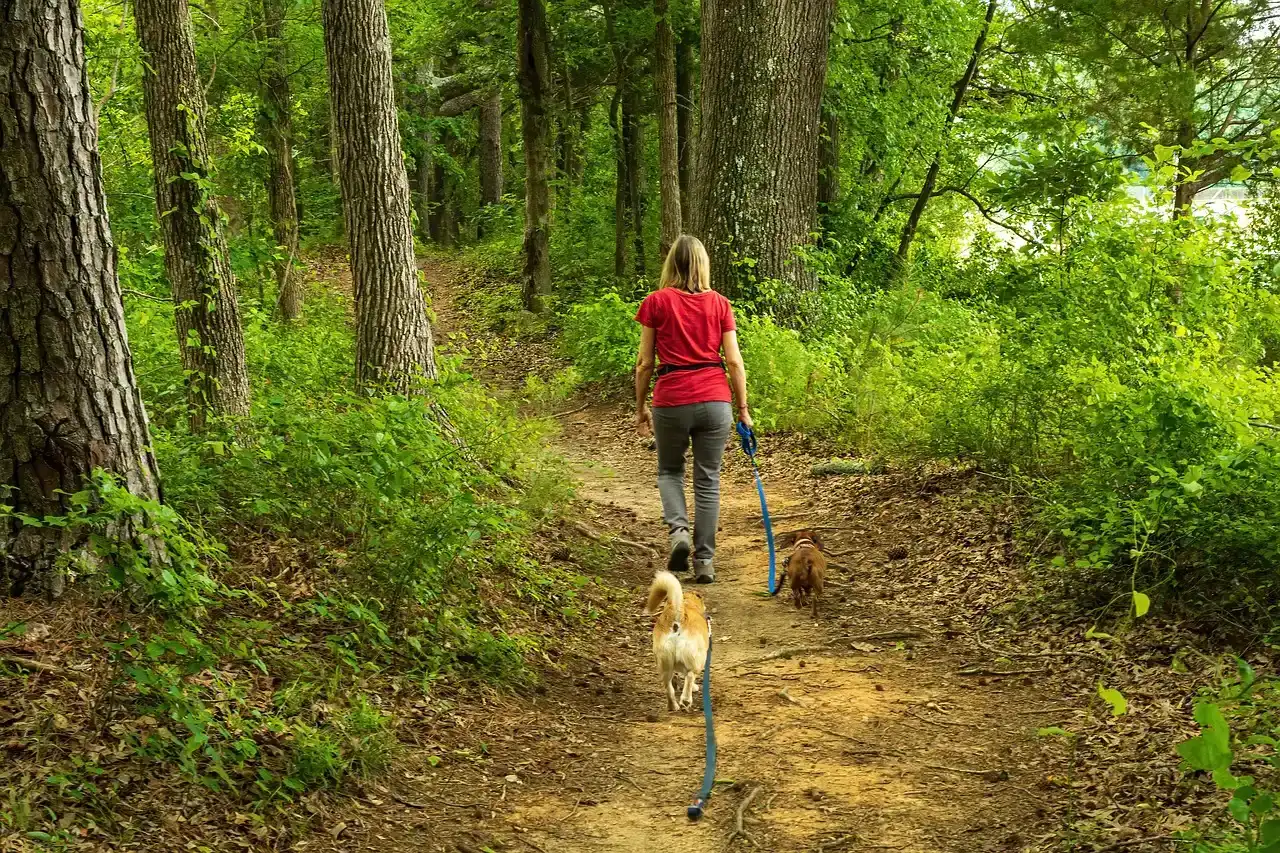
Fifty-five percent of adults aged 50 and older report owning a pet, with rates holding steady around 57% for those up to 80 when compared to 2018 figures.[1] Dogs lead at 70% among owners, followed closely by cats at 50%, and nearly a third keep multiple types. Ownership dips for those 65 and above, sitting at 46%, often tied to living situations.
Here’s the thing: younger seniors 50 to 64 boast 64% ownership, hinting at lifelong bonds carrying into later years. This trend underscores pets as staples in modern aging households.[2]
Fighting Loneliness Head-On

Pets step in as reliable allies against isolation, with dog owners showing less loneliness thanks to neighborhood walks and park chats.[3] In one long-term study of over 2,800 seniors, pet owners felt more connected socially after two years, with loneliness easing further by year three. Cat fostering even trimmed feelings of solitude for some.
Still, it’s not a magic fix. Factors like strong bonds and active lifestyles amplify the effect, especially during tough times like the pandemic.[3]
Lower Depression Symptoms Emerge
A 2026 cross-sectional study of over 200 older adults found pet owners scoring lower on depression measures, with averages of 2.33 versus 3.00 for non-owners on the Geriatric Depression Scale – a small but notable edge.[4] This aligns with patterns where pets offer emotional anchors. Women with dogs and attached cat owners often report brighter moods.
Dog walking adds another layer, staving off rising depression in longitudinal tracking. I know it sounds straightforward, but these routines build resilience over time.
Igniting Daily Physical Activity

Forty-four percent of pet-owning seniors credit their animals for keeping them moving, though this dipped from higher marks in 2018 polls.[1] Dog owners in particular rack up more walks, linking to better mobility and fewer health visits. Experts note this routine fosters mutual gains in fitness.
Cats nudge less on exercise, yet overall, pets promote outdoor time and structure. Think of it as a built-in motivator when willpower wanes.[6]
Building Stronger Social Ties
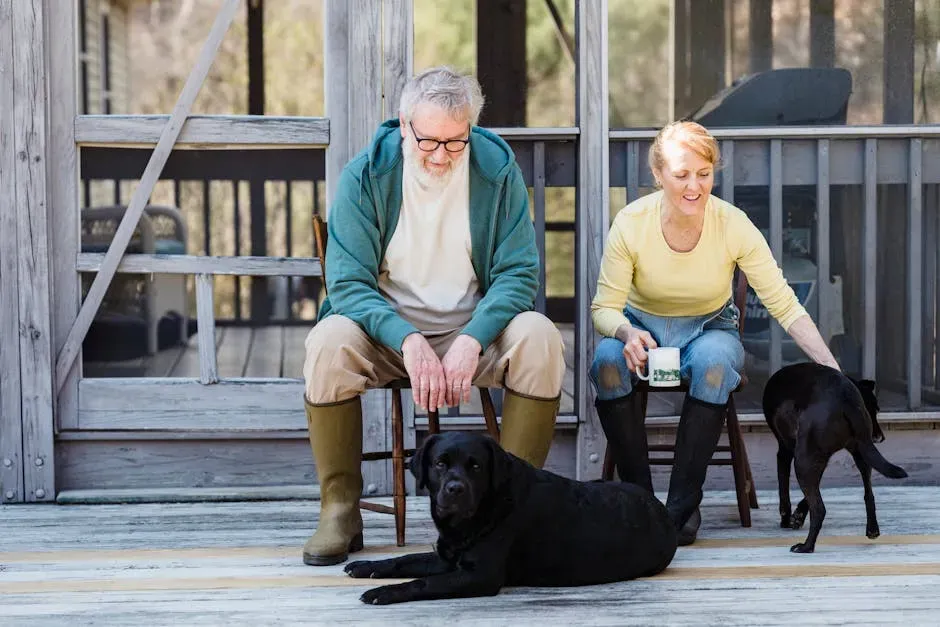
Seventy percent of older pet owners say their companions spark connections with neighbors and strangers alike.[1] Dog parks and walks turn solitary strolls into chats, weaving informal support networks. This social lift shines brighter for those living alone.
In community studies, pet owners edged out others in feeling linked after years.[3] Pets basically hand you conversation starters on a leash.
Sense of Purpose Takes Root
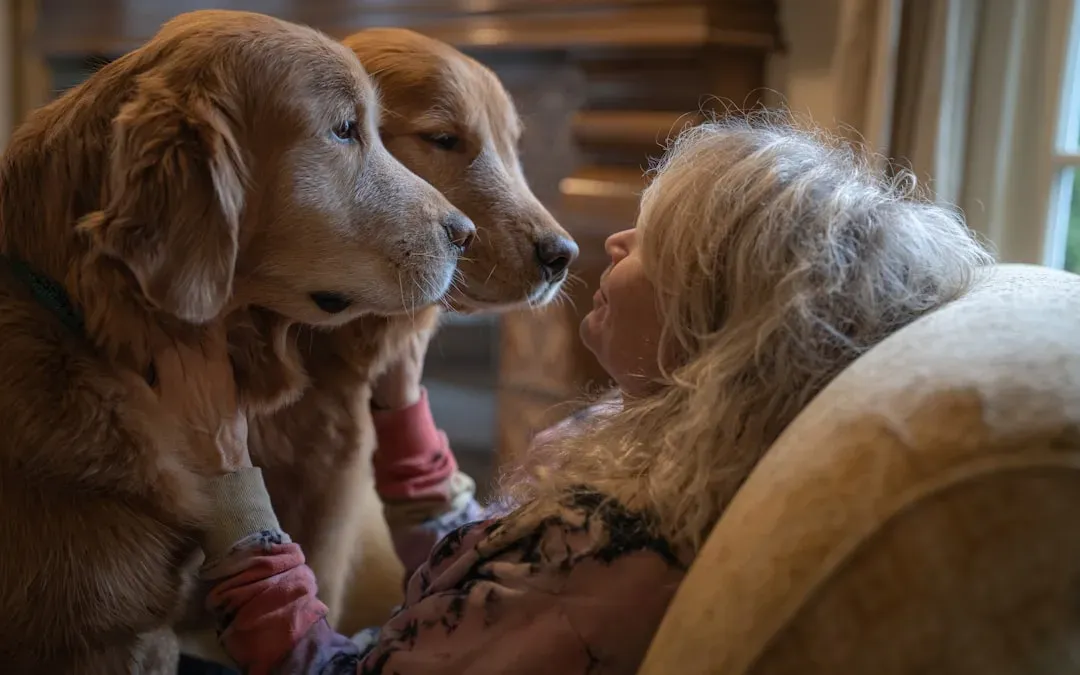
Eighty-three percent of seniors with pets feel a deeper purpose from caregiving duties, a jump from 73% seven years prior.[1] Feeding, grooming, and play instill responsibility that combats aimlessness. This nurturing role boosts self-worth across the board.
During isolation spells, that steady companionship fills voids others can’t. It’s like having a dependent who repays with unwavering loyalty.[3]
Taming Stress and Anxiety

Sixty-three percent report pets dialing down stress, with longitudinal data showing anxiety dropping in owners while rising elsewhere.[1] Dog walkers fare best, holding steady against age-related spikes. Happiness even climbs over time for this group.
Though mental well-being can dip faster in some attached owners, the net leans positive. Pets offer a calming presence in chaotic days.
Cognitive Edges in Play

Pet routines may sharpen memory and fluency, especially for solo dwellers in cohort studies.[7] Walking boosts brain blood flow, tying to sustained function. Recent polls hint at cognitive perks through active engagement.
No massive gaps show in basic tests, but daily mental nudges add up. Imagine puzzles wrapped in fur.[3]
Heart Health Lifeline
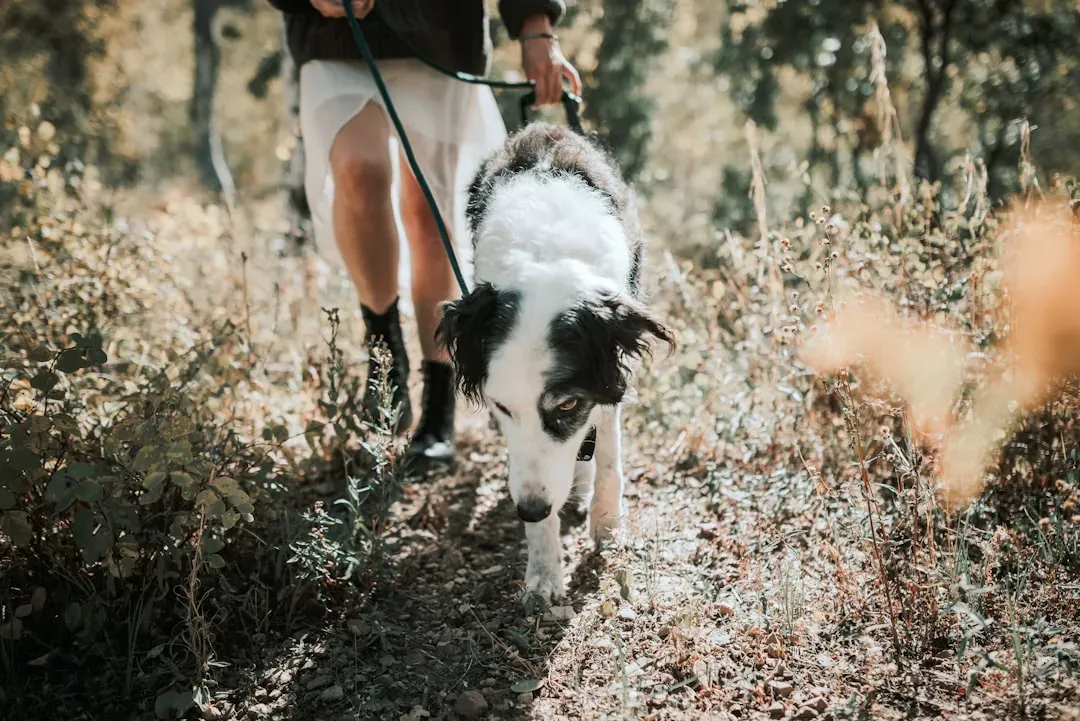
Pet owners, particularly dog folks, face lower heart disease risks from consistent movement and lower stress.[6] Studies link this to fewer cardiovascular events overall. Blood pressure dips with regular interaction too.
It’s a subtle shield, amplified by outdoor habits. Seniors staying active this way dodge bigger threats down the line.[3]
Weighing Real Challenges

Thirty-one percent of pet-owning seniors feel budget pinches, up sharply from 18% in 2018, hitting lower-income and frailer folks hardest.[1] Care demands rise with age, citing health limits for 7% of non-owners. Time and mess factor in too.
Costs top barriers at 33% for would-be owners. Balancing joys against strains calls for smart planning in 2026 realities.[2]