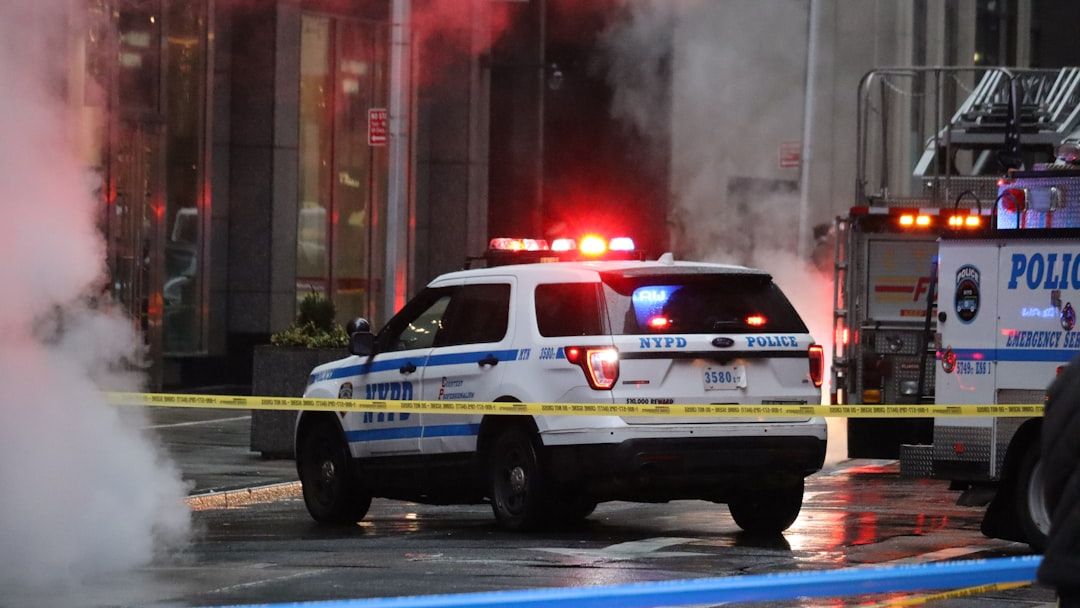
New York crime ‘revolves’ around recidivists — as state’s laws release danger onto our streets – Image for illustrative purposes only (Image credits: Unsplash)
New York City recorded another casualty of its revolving-door criminal justice system last week. A resident fell victim to an offender who had cycled through the courts and back onto the streets under current state rules. The incident underscores how lenient release policies continue to shape daily life for ordinary New Yorkers.
Recidivism at the Center of City Crime
Repeat offenders drive a large share of the violence and theft reported across the five boroughs. Each new arrest often involves someone already known to the system, yet many return to the community within days or weeks. This pattern leaves neighborhoods exposed to the same individuals who have already demonstrated repeated disregard for the law.
Public safety data consistently points to a small group of high-frequency offenders as the source of disproportionate harm. When courts and prosecutors operate under rules that favor quick release, those individuals resume their activities almost immediately. The result is a steady stream of new victims who had no role in creating the policy framework.
How State Laws Shape Outcomes
New York’s bail and sentencing statutes limit the tools available to judges when dealing with repeat cases. Many offenses that once carried stronger pretrial detention now result in release with minimal conditions. Prosecutors and defense attorneys navigate these constraints daily, often with predictable results for public safety.
Advocates for the current approach argue that it reduces unnecessary incarceration and addresses systemic issues. Critics counter that the policy has produced measurable increases in certain crimes committed by the same small cohort of offenders. The debate centers on whether the balance between individual rights and community protection has shifted too far in one direction.
Effects Felt on the Ground
Residents report heightened caution in routine activities such as commuting, shopping, and using public transit. Business owners describe repeated thefts by the same perpetrators who face little lasting consequence. Police officers note that they frequently re-arrest individuals they encountered only weeks earlier.
These experiences accumulate into a broader sense that the system no longer deters the most persistent offenders. Families who lose loved ones or suffer injuries in these incidents often ask why prior records did not trigger stronger safeguards. The pattern repeats across different precincts and demographic groups.
Looking Ahead
City and state leaders face pressure to examine whether adjustments to release criteria could reduce repeat offenses without returning to earlier practices. Any changes would require careful calibration to avoid unintended consequences for the broader justice system. The most recent victim serves as a reminder that the current balance carries real costs for those who live and work in New York.