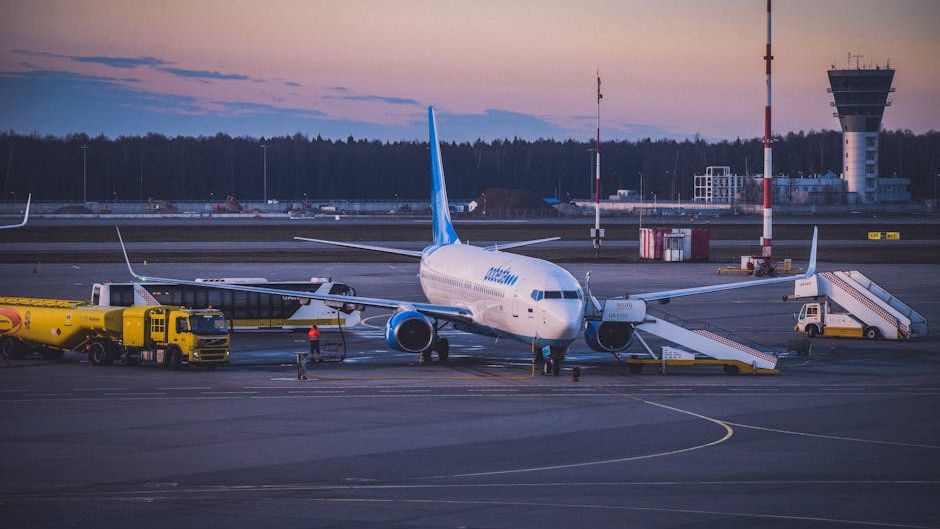
Fuel Prices Triple in Weeks (Image Credits: Pexels)
Nigeria – Domestic airlines stared down the barrel of a total shutdown last week as jet fuel costs ballooned beyond sustainable levels. The Airline Operators of Nigeria delivered a final warning on April 14, signaling an end to flights starting April 20 unless prices retreated. Swift government appeals prompted operators to pause the drastic step, buying time for high-level negotiations.[1][2]
Fuel Prices Triple in Weeks
Jet A1 aviation fuel leaped from N900 per litre at the end of February to over N3,300 per litre by mid-April, marking more than a 300 percent jump. Operators highlighted that this far outpaced the roughly 30 percent rise in global crude oil benchmarks. Fuel now claimed more than 40 percent of airlines’ operating costs, leaving revenues insufficient even to cover that single expense.[3]
One domestic carrier had already parked its fleet on March 13, unable to shoulder the load. The Airline Operators of Nigeria described the hike as “astronomical and artificial,” accusing marketers of exploiting international tensions. Without relief, they argued, all carriers faced the same fate.[4]
Operators Sound Alarm on Broader Fallout
The group warned that hiking fares to match fuel expenses would leave planes flying half-empty, eroding demand further. Shutting down entirely carried even graver risks. “If the airlines go out of business, banks will take a hit, millions of people will lose their means of livelihood, and insecurity will be on the rise,” the operators stated in their letter.[1]
Aviation holds strategic weight for Nigeria’s economy, supporting trade, security, and jobs. Operators continued flying for weeks out of national duty, but declared the strain “unbearable and clearly unsustainable.” Their missive went to fuel marketers, the president, and security chiefs, underscoring the stakes.[2]
Marketers Dispute Claims and Cite Global Pressures
The Major Energies Marketers Association of Nigeria rejected the N3,300 per litre figure as inaccurate. They pegged ex-gantry prices from Dangote Refinery at around N1,800 per litre, with retail ranging up to N2,800. Geopolitical strife in the Middle East, including supply disruptions, drove the increases, they explained.
Specialized handling for Jet A1 – pipelines, testing, and dewatering to prevent mid-flight issues – added layers of expense. Marketers urged transparency, such as public posting of refinery prices, to curb profiteering. Still, airlines insisted the local surge defied global norms.[1]
Government Steps In to Defuse Crisis
Aviation Minister Festus Keyamo moved quickly with a public plea for restraint. He acknowledged the pressures but cautioned against fare spikes or halts, which could cripple mobility and confidence. “Such action would have far-reaching adverse implications for the national economy,” Keyamo wrote, pledging prompt federal action.[2]
The operators responded with a conditional suspension of their April 20 plan after an emergency huddle. They awaited outcomes from a key stakeholders’ meeting on April 22 in Abuja. Preconditions included agencies halting harassment or demands for upfront fees. Analysts called for slashing the 35 percent of airfares tied to government levies – taxes, service charges, and duties – to ease the pain. Captain Ado Sanusi of Aero Contractors noted, “Reviewing the taxes and charges will help the airlines to sustain their operations and survive in the austere times of high aviation fuel prices.”[2]
Industry voices like Amos Akpan of Flight and Logistic Solutions listed burdens such as five percent sales taxes on tickets and cargo, plus flat passenger fees up to N7,500. Suspending these for months could avert fare hikes, they argued. The Nigerian Midstream and Downstream Petroleum Regulatory Authority affirmed ample supply stocks, dismissing scarcity fears in the deregulated market.
A Fragile Truce in Turbulent Skies
The near-miss exposed deep cracks in Nigeria’s aviation chain, from import reliance to multiple taxes. While flights continued, unresolved fuel volatility and costs lingered as threats. Stakeholders eye the April 22 talks’ results for a path forward, hoping to keep the sector aloft amid global headwinds.