
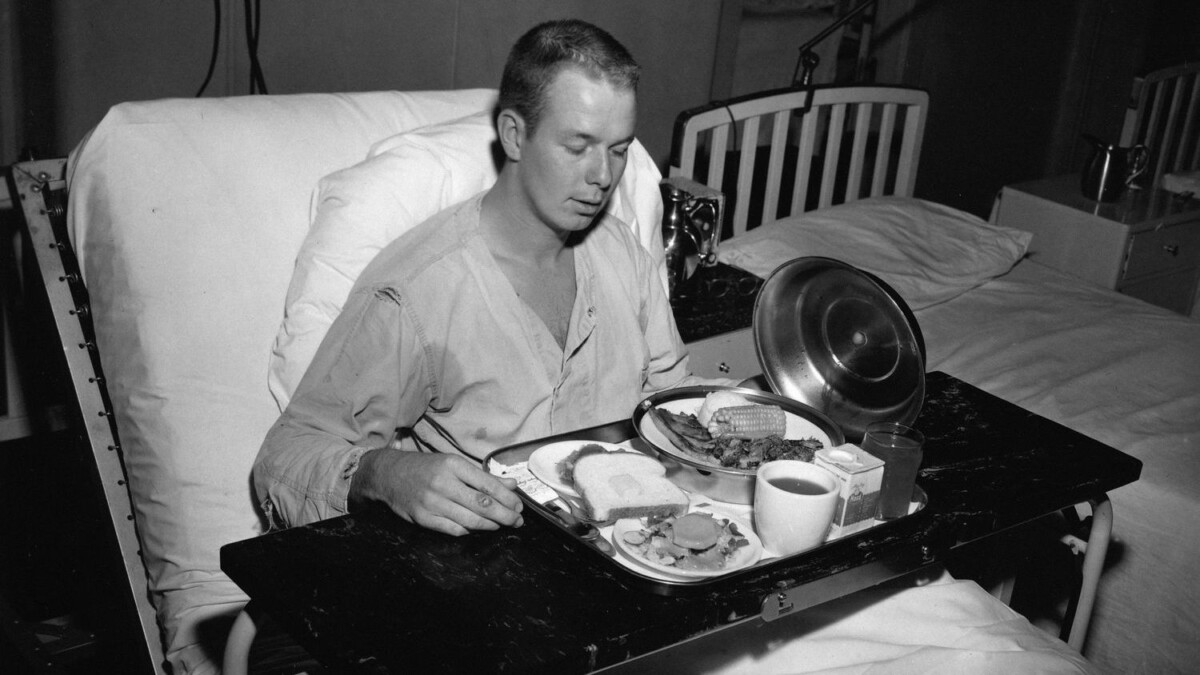
Hospital nurses killed grandma who was on 'liquid diet' after cancer surgery by giving her 'regular' meal trays when she struggled to swallow: Lawsuit – Image for illustrative purposes only (Image credits: Unsplash)
Bridgeport, Connecticut – An 80-year-old woman entered St. Vincent’s Medical Center for lung cancer surgery that went smoothly and left her with clear margins and no immediate complications. What followed during her recovery, however, turned a successful procedure into a fatal outcome, according to a lawsuit filed by her family. The complaint centers on repeated failures by nursing staff to follow a speech-language pathologist’s orders for a modified diet designed to protect her swallowing ability.
The Surgery That Went Well
Carol Polifka underwent a robotic-assisted right lower lobe wedge resection with mediastinal lymph node sampling and bronchoscopy on January 23, 2024. The operation concluded without issues, and initial reports described a positive result for her adenocarcinoma diagnosis. Her family later learned that the removed tissue showed no cancer at the edges, confirming the procedure itself had achieved its goal.
Despite this favorable start, Polifka’s age and medical history placed her at higher risk for swallowing difficulties. She had moderate-to-severe chronic obstructive pulmonary disease, morbid obesity, and recent anesthesia effects that could impair breathing and cognition. These factors made careful monitoring of her intake essential from the first postoperative day.
Orders for a Modified Diet
On January 27, a speech-language pathologist evaluated Polifka and identified pharyngeal dysphagia with airway compromise to thin liquids. The assessment confirmed a high likelihood of aspiration, meaning food or liquid could enter her lungs instead of her stomach. The pathologist issued specific instructions for dysphagia level 7 solids that were easy to chew, mildly thick liquids, one-to-one supervision at meals, small bites, slow pacing, upright positioning, and close observation for any cough or voice changes.
These precautions addressed her elevated risk of choking or inhaling material into her airway. Before the evaluation, nurses had already advanced her diet on their own from clear liquids to a cardiac solid consistency without a bedside swallow screen or specialist input. Once the formal orders were in place, the complaint states that staff continued to deliver regular meal trays on at least two shifts and documented them as received, even though no physician had upgraded the diet.
Events That Led to Her Death
On the morning of January 30, a respiratory therapist performed suctioning and recorded copious amounts of vomiting entering Polifka’s airway. Later that day she experienced a second vomiting episode. She developed worsening respiratory failure, entered cardiac arrest, and was pronounced dead. A respiratory culture later grew E. coli, an organism consistent with aspirated gastric contents, and the intensive care unit note listed the admission diagnosis as acute on chronic hypercapnic respiratory failure secondary to aspiration pneumonia.
The Connecticut Medical Examiner certified the cause of death as infectious complications of the lung resection and listed the manner as therapeutic complications. The lawsuit argues that the nursing departures from the ordered precautions directly contributed to the aspiration that triggered these events. Expert review by a registered nurse with more than 25 years of experience concluded there was evidence of medical negligence on the part of the nursing staff.
The Lawsuit and What Comes Next
Polifka’s son filed the complaint this month, seeking accountability for the alleged lapses in basic postoperative care. Attorney Patrick Filan told the Hartford Courant that the surgery itself had produced a good outcome, yet basic attention to detail after the operation was missing. He noted that elderly patients depend heavily on hospital staff and that this reliance was not met in her case.
A spokesperson for Hartford HealthCare, which operates the medical center, expressed condolences to the family but declined further comment because of the pending litigation. The case highlights how strictly ordered dietary restrictions and supervision protocols must be followed when patients show signs of swallowing impairment after major procedures. Families facing similar situations often review medical records closely for documentation of diet orders and meal delivery to understand whether safeguards were maintained throughout recovery.