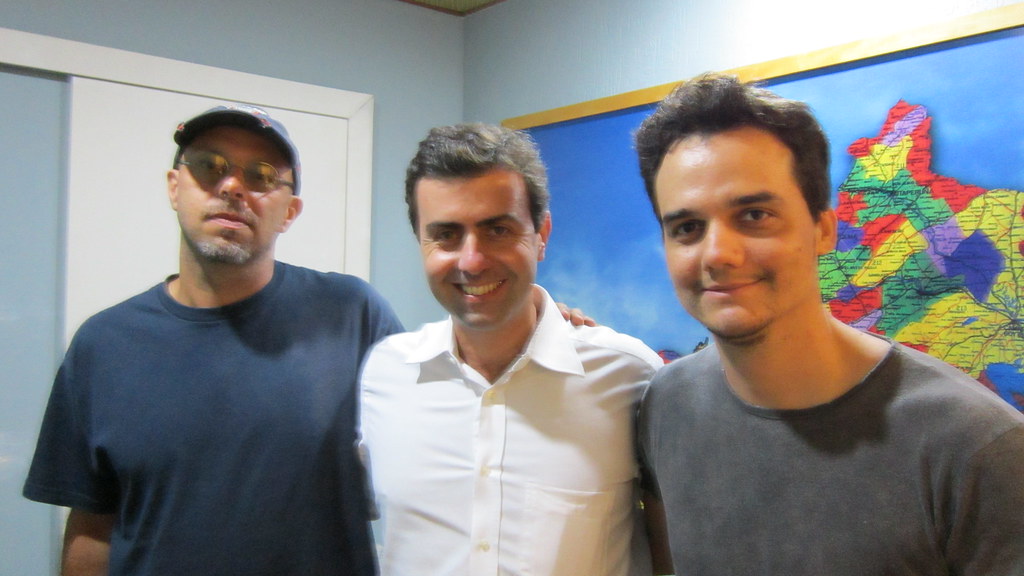
Wagner Moura Joins Ralph Fiennes and Colin Farrell in New Dark Comedy Film – Image for illustrative purposes only (Image credits: Flickr)
A trio of acclaimed actors has assembled for an eagerly anticipated screen version of Yasmina Reza’s enduring satire Art. Ralph Fiennes, Colin Farrell, and Wagner Moura will portray longtime friends whose bond unravels over a provocative modern artwork. Directed by Fernando Meirelles, the project arrives at a moment when stage-to-screen adaptations continue to draw prestige talent and audiences alike.[1][2]
The Casting That Promises Sparks
Ralph Fiennes, a three-time Oscar nominee fresh from Conclave, joins forces with Colin Farrell, nominated for The Banshees of Inisherin, and Wagner Moura, recently recognized for The Secret Agent. Together, they step into the roles of Serge, Marc, and Yvan – three men whose friendship faces its greatest test yet.[3] This lineup not only boasts recent awards buzz but also reunites Fiennes and Farrell, who previously shared the screen in Martin McDonagh’s In Bruges nearly two decades ago.
The chemistry among such versatile performers could prove electric in a story built entirely on dialogue and interpersonal tension. Fiennes brings his command of nuanced authority figures, Farrell his brooding intensity, and Moura his layered portrayals of complex outsiders. Industry observers see this as a perfect match for a play that thrives on sharp exchanges and emotional undercurrents.[2]
From Stage Phenomenon to Cinematic Venture
Yasmina Reza’s Art premiered in Paris in 1994 and quickly became a global hit, earning the Tony Award for Best Play in 1998 during its Broadway run. The original production featured Alan Alda, Victor Garber, and Alfred Molina, while a 2025 revival starred Bobby Cannavale, James Corden, and Neil Patrick Harris.[4]) Its West End debut in 1996, directed by Matthew Warchus, ran for years and garnered an Olivier Award.
At its core, the narrative centers on Serge’s purchase of a massive, nearly all-white canvas adorned with faint lines, priced at an exorbitant sum. Marc recoils in disdain, labeling it worthless, while the hapless Yvan attempts mediation amid his own personal turmoil. What begins as a debate over aesthetics spirals into revelations of resentment, control, and the true nature of loyalty.[1]
A Director and Writer with Proven Pedigrees
Fernando Meirelles helms the adaptation, drawing on his experience with intimate dramas like City of God and The Constant Gardener, the latter of which paired him with Fiennes. He also collaborated with Farrell on the Apple TV+ series Sugar and produced films involving Moura, including VIPs.[2] Meirelles currently wraps post-production on Netflix’s Here Comes the Flood starring Robert Pattinson and Denzel Washington.
Christopher Hampton pens the screenplay, returning to the material he first translated into English three decades ago. The two-time Oscar winner, behind Dangerous Liaisons and The Father, ensures fidelity to Reza’s witty dissection of pretension. Producers Charles Finch (Priscilla) and Tracy Seaward (The Queen, Philomena) round out a team poised for awards contention.[1]
What Matters Now: The package launches at the Cannes market via Patrick Wachsberger’s 193, with CAA handling U.S. rights. This timing positions Art for swift distribution deals amid festival buzz.[2]
Why ‘Art’ Endures in a Visual Age
The play’s themes – questioning what qualifies as art, navigating ideological clashes among friends, and confronting midlife insecurities – resonate across eras. Reza’s script masterfully uses the minimalist painting as a Rorschach test for the characters’ insecurities, turning a dinner gathering into a battlefield of egos.
Previous attempts at a film version had stalled, but this iteration benefits from heightened interest in actor-driven stories post-pandemic. With no elaborate sets or effects required, the focus stays on performance, much like recent successes such as The Holdovers or Triangle of Sadness. The satire’s bite on contemporary culture, from inflated art prices to performative intellect, feels especially pointed today.[4])
As production ramps up, Art stands ready to remind viewers that some conflicts need no special effects to captivate. This adaptation could well capture lightning in a bottle, blending timeless wit with a cast at the peak of their powers.