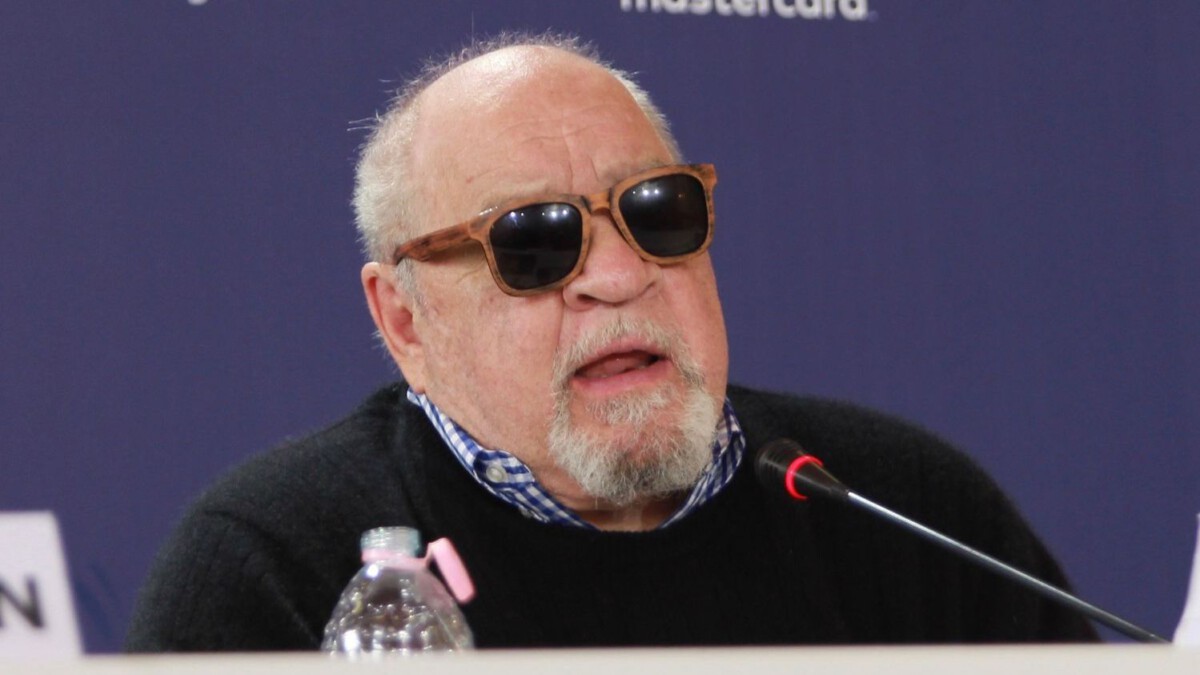
Taxi Driver screenwriter Paul Schrader ‘procures AI girlfriend’ weeks after beloved wife’s death – Image for illustrative purposes only (Image credits: upload.wikimedia.org)
Hollywood screenwriter Paul Schrader has turned to an online AI girlfriend in the weeks following the death of his wife. The development has surfaced publicly through recent reports and has prompted quiet discussion among those familiar with his work and personal life. Schrader, best known for writing the screenplay for Taxi Driver, appears to have sought this form of companionship during a period of grief.
A Private Choice Made Public
The news emerged without fanfare, yet it quickly circulated in entertainment circles. Schrader has not issued a detailed statement on the matter, leaving observers to piece together the timeline from available accounts. The decision comes at a time when many public figures navigate loss in increasingly digital ways.
Those close to the situation describe the move as a personal response rather than a public statement. No elaborate explanations have accompanied the reports, which focus instead on the basic fact of the arrangement itself. The brevity of available details has left room for measured speculation about how such technology fits into everyday routines after profound change.
Why This Matters in the Current Moment
AI companions have grown more accessible in recent years, offering conversation and simulated connection to users across age groups. For someone in Schrader’s position, the option represents one of several modern tools available during difficult transitions. The timing, so soon after a significant personal loss, underscores how quickly these technologies can enter private lives.
Industry observers note that Schrader’s career has long explored themes of isolation and human connection. This latest chapter adds a contemporary layer to that ongoing narrative without requiring any direct commentary from the writer himself. The story resonates because it reflects broader shifts in how people manage solitude today.
Looking Ahead
Schrader continues to be recognized for his contributions to cinema, and this personal development does not alter that standing. Public reaction so far has remained largely observational rather than judgmental. As more details surface, the focus may shift toward how such choices influence daily life for those in the public eye.
The situation serves as a reminder that grief takes many forms and that technology now plays a role in some of them. Whether this remains a private matter or evolves further remains to be seen. For now, the reports stand as a straightforward account of one individual’s response to loss.