Local Charities Helping Seniors in Pennsylvania – Image for illustrative purposes only (Image credits: Unsplash)
Pennsylvania’s population aged 65 and older accounts for 20.4% of residents, according to Census data, creating substantial demand for community-based support. Local charities, churches, food banks, and volunteer groups fill critical gaps in areas like food access, transportation, home repairs, and emergency aid, with services varying widely between urban centers such as Philadelphia and Pittsburgh and rural townships. These organizations offer targeted assistance that complements – but does not replace – government programs, urging seniors to begin inquiries close to home for the quickest results.
Prioritizing Urgent Crises with Fast-Acting Resources
When housing instability, food shortages, utility threats, or safety issues arise, Pennsylvania seniors should contact the most responsive local group immediately rather than seeking a single ideal match. Organizations often provide swift action on essentials while referring callers to additional partners. Keeping detailed notes from each interaction helps navigate the process efficiently.
Legal challenges like evictions or Medicaid disputes demand early intervention, as do medical bills, where hospital financial aid offices can prevent unnecessary debt. PA 211 serves as a valuable referral service to identify nonprofits by ZIP code, though it remains a starting point rather than direct aid.
| Immediate Need | Primary Contact | Key Questions |
|---|---|---|
| Food shortage | Nearest food pantry or bank | Hours, delivery options, senior boxes |
| Rent/utility shutoff | Faith-based emergency aid | Available funds, required documents |
| Medical ride | Volunteer transport group | Notice period, door-to-door service |
| Home safety hazard | Repair nonprofit | ZIP code coverage, repair scope |
| Eviction or abuse | Legal helpline | Deadline advice, notice details |
Food Banks and Pantries Tackling Hunger Across the State
Pennsylvania’s network of food banks supports nearly 3,000 charitable partners statewide, including pantries, soup kitchens, and mobile distributions, through organizations like Feeding Pennsylvania and Hunger-Free Pennsylvania. These groups deliver groceries, produce, shelf-stable items, and specialized senior boxes to residents in all 67 counties. Regional leaders such as Philabundance in the Philadelphia area and the Greater Pittsburgh Community Food Bank use ZIP code searches to direct individuals to nearby sites.
Access typically requires minimal verification like household details or address proof, though food banks themselves often refer to partner pantries rather than distributing directly. Callers should confirm hours and bring reusable bags or ID, as availability fluctuates with donations and demand.
Faith Groups and Nonprofits Addressing Rent, Utilities, and Essentials
Churches and faith-based entities provide short-term relief for rent arrears, utility bills, clothing, and hygiene needs, frequently paying vendors directly to avoid cash handouts. Groups like the Salvation Army, Catholic Charities, Catholic Social Services, and St. Vincent de Paul conferences operate with location-specific funds, serving broader communities or requiring referrals. In southwestern Pennsylvania, Catholic Charities Pittsburgh extends aid for shelter and utilities where resources permit.
Eligibility hinges on emergencies backed by bills, notices, income proof, and future plans, with funds depleting quickly – early-week calls yield better odds. These outlets also offer bus passes or gas cards alongside referrals, emphasizing their role in bridging to longer-term solutions.
Mobility, Home Safety, and Caregiver Relief Through Volunteers
Volunteer-driven rides to doctors, pharmacies, or stores prove essential yet limited, with programs like North Hills Community Outreach in Allegheny County, Connections to Care in Montgomery County, and ITN LehighValley providing door-through-door service for qualifying seniors. ShareCare Faith In Action in the Lehigh Valley adds shopping and visits via trained volunteers. Advance scheduling remains crucial, as these efforts exclude emergencies, wheelchairs, or non-local trips.
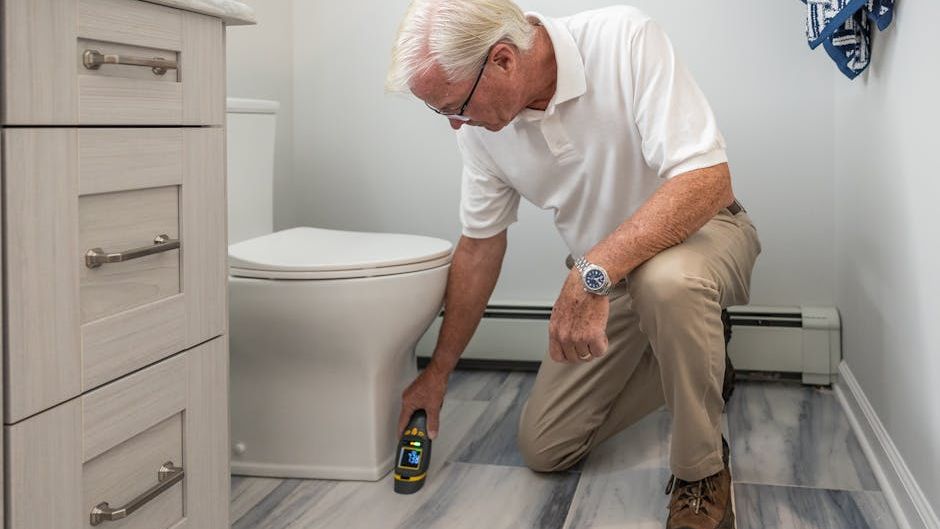
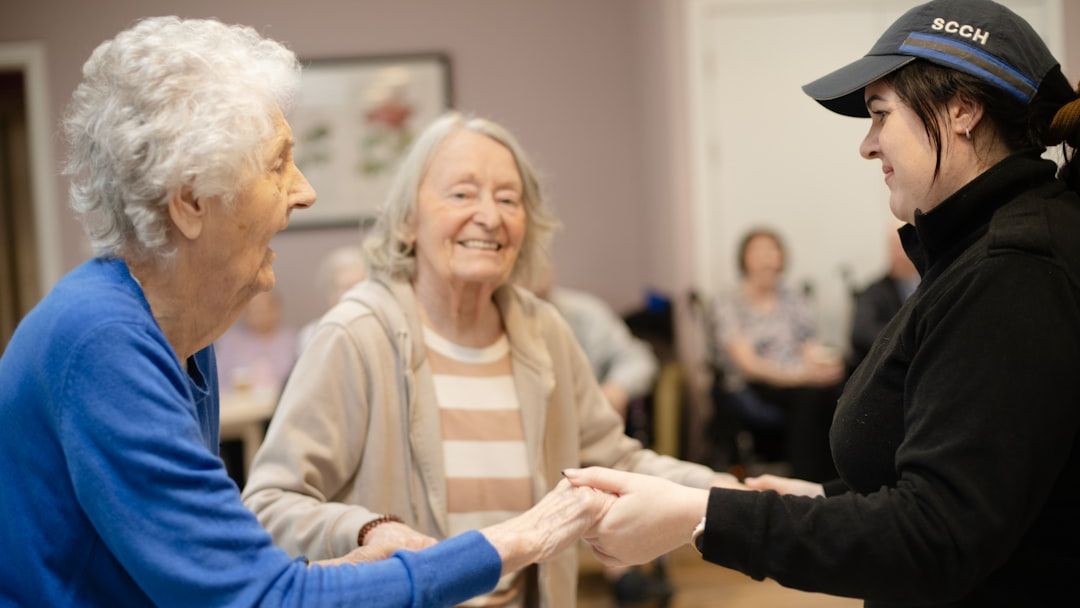
Home repair initiatives target hazards like faulty steps, roofs, or ramps, not aesthetics. Rebuilding Together chapters in Philadelphia and Pittsburgh, along with Chester County’s Good Works, assist low-income homeowners with safety fixes after verifying ownership and need through photos or visits – waitlists are common. Caregiver supports, including respite and companionship from JFCS or Penn’s Village, focus on emotional and practical relief without medical tasks.
Legal Aid, Clinics, and Tailored Community Supports
Seniors facing evictions, debt, nursing home issues, or Medicaid hurdles turn to the SeniorLAW Helpline for those 60 and older, the PA Health Law Project for coverage disputes, or the PA Legal Aid Network by county. Free clinics aid the uninsured, while Philadelphia’s Penn Dental Medicine offers affordable senior care. Nonprofit hospitals process charity applications for bills, often via social workers.
Specialized groups address unique needs: Persad OWLS in Pittsburgh for LGBTQ+ adults over 50, Nationalities Service Center for immigrants in Philadelphia, and rural townships relying on fire companies or libraries for pantry access. Language preferences or cultural considerations should guide initial calls for appropriate matches.
To maximize success, seniors prepare concise scripts: state name, ZIP code, specific need, and documents like ID, bills, or photos. If denied, request referrals and follow-up dates, avoiding pitfalls like last-minute outreach or vague requests. This decentralized aid system demands persistence, yet consistently delivers tangible relief to Pennsylvania’s older residents navigating life’s pressures.