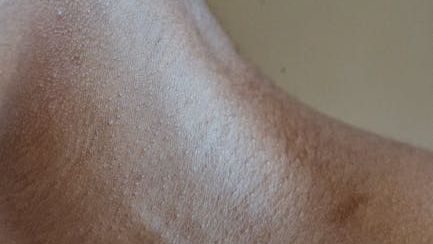

Darkened Patches Appearing on Your Skin

Many people overlook changes in their skin as they go about daily life. These darkened areas often appear in folds like the neck or underarms. The condition stems from insulin resistance building up over time. It serves as a visible clue that blood sugar levels are rising gradually. Doctors often spot this during routine checkups when patients mention other concerns. Paying attention to such patches can prompt earlier testing for prediabetes. This sign tends to develop slowly without causing pain or discomfort.
When you see these patches it is worth considering a blood test soon. The CDC notes that more than one in three adults have prediabetes without realizing it. Lifestyle adjustments like regular walks can make a big difference. Studies indicate that shedding five to seven percent of body weight helps lower risks significantly. Many individuals find that consistent activity stabilizes their sugar levels effectively. An A1C test provides a clear picture of average blood sugar over months. Taking action early prevents progression to more serious issues.
Constant Thirst That Water Cannot Quench

Thirst that does not go away even after drinking plenty of water points to something deeper. Excess sugar in the blood pulls fluid from tissues and makes you feel dehydrated. The kidneys try to flush out the extra glucose through urine but this process leaves you parched. It happens because the body attempts to balance the high sugar concentration. People often drink more but still feel unsatisfied throughout the day. This cycle can start mildly and build without obvious cause at first. Noticing it helps connect the dots to possible prediabetes.
Increased fluid intake becomes a daily pattern for those affected. The CDC estimates over eighty percent of people with prediabetes remain unaware due to mild symptoms. Regular exercise for one hundred fifty minutes each week supports better control. Heart disease risks rise if changes are ignored for too long. A simple blood test detects the issue before complications arise. Friends might comment on how much water you consume now. Monitoring these habits leads to timely medical advice.
Fatigue That Lingers No Matter How Much You Rest

Feeling tired all the time even after a full night of sleep signals inefficient energy use. Glucose cannot enter cells properly when insulin resistance sets in. The body works harder but produces less usable fuel for daily activities. This leaves individuals drained during routine tasks like work or errands. Many attribute it to stress or age but it connects directly to blood sugar. The sensation builds gradually and affects motivation levels. Recognizing this pattern encourages checking health markers.
Energy levels fluctuate without clear reason in early stages. More than one in three adults face this prediabetes situation unknowingly. Weight loss of five to seven percent brings noticeable improvements in vitality. Physical activity helps the body process sugar more effectively over time. An A1C test confirms if levels are in the prediabetes range. People report better days after adopting healthier routines. Early detection avoids future heart and stroke concerns.
Frequent Urination Disrupting Your Daily Life

Trips to the restroom increase noticeably especially at night. The kidneys filter excess sugar by producing more urine to eliminate it. This process keeps the bladder active and disrupts normal patterns. Individuals wake up multiple times which affects rest quality. It starts as a minor inconvenience but grows into a regular occurrence. The body tries to rid itself of the surplus glucose in the bloodstream. Awareness of this change helps link it to rising blood sugar.
Daily routines adjust around these frequent needs. Over eighty percent of cases go unnoticed until tested. Moderate exercise weekly reduces the progression risk substantially. Losing a small percentage of weight supports kidney function better. Blood tests like A1C reveal the underlying prediabetes condition. Colleagues might notice the extra breaks during meetings. Addressing it promptly leads to effective management strategies.
Wounds That Heal More Slowly Than Before

Cuts and scrapes take longer to close up than they used to. High blood sugar interferes with the natural repair processes in the body. Circulation slows down and affects how nutrients reach the affected area. This delay becomes apparent with everyday nicks from shaving or cooking. The immune response weakens slightly making recovery sluggish. Many brush it off as normal aging but it ties to sugar levels. Observing healing times provides another clue to monitor.
Such delays serve as reminders to evaluate overall health. Statistics show one in three adults deal with prediabetes silently. Five to seven percent weight reduction aids in faster recovery. One hundred fifty minutes of activity weekly boosts circulation effectively. The A1C test identifies issues early on. Family members often point out the prolonged healing. Proactive steps prevent escalation to diabetes and open the door to steadier daily energy.