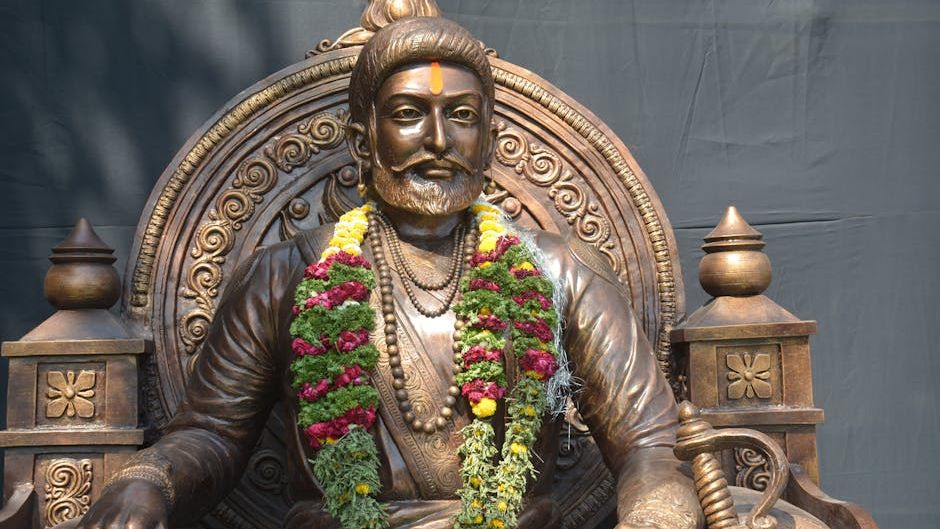
Raja Shivaji Review – Thundering performances in a not-so-epic film – Image for illustrative purposes only (Image credits: Pexels)
Riteish Deshmukh’s long-gestating passion project finally reached theaters, promising a grand cinematic revival of Chhatrapati Shivaji Maharaj’s life amid the recent surge in historical epics. The film arrived with high expectations, buoyed by meticulous production and a cast of heavyweights, yet it delivered a spectacle that dazzled the eyes more than it stirred the soul. Audiences drawn by the reverence for Maratha history found a respectful effort, but one that stopped short of the transformative power the story demands.
Production Values That Command Attention
Santosh Sivan’s cinematography captured the rugged beauty of the Western Ghats with striking authenticity, turning landscapes into characters that underscored Shivaji’s world. Production design extended this care to every fort, courtyard, and battle setup, reflecting years of research into the era’s details. Ajay-Atul’s score stood out as the emotional backbone, rising and receding with precision to amplify key moments.
These elements combined to create a canvas of impressive scale. The film opened with visual authority that hinted at epic potential, immersing viewers in a historically rich environment. However, this surface polish highlighted a deeper shortfall, as the grandeur remained more aesthetic than alive.
A Narrative Trapped in Domestic Shadows
The screenplay divided the story into chapters, starting with Shivaji’s youth under his mother Jijabai’s influence and the Bhonsale family’s tensions between Mughal and Adilshahi powers. This foundation explored legitimate ground, humanizing the icon before his rise. Yet the film lingered too long in these quieter phases, failing to bridge into the revolutionary fervor that defined him.
Viewers witnessed hints of Shivaji’s growing resolve – a yearning for a united Maratha realm, frustration with foreign rule – but the pivotal shift from vassal son to sovereign leader felt merely outlined. The script told of his evolution rather than immersing audiences in its intensity. This hesitation dulled the roar the legend warranted, leaving emotional depth underdeveloped.
Action Sequences Hampered by Polish
Battle choreography showed creative intent, with concepts that aimed for strategic depth fitting Shivaji’s guerrilla tactics. Ambitious staging promised chaos reflective of 17th-century warfare. Still, many confrontations carried a rehearsed smoothness, more akin to staged theater than raw combat.
This tidiness echoed recent historical films and series, making sequences feel derivative rather than innovative. In an era where Indian cinema raised the bar for such spectacles, these moments registered as opportunities lost. The result diluted the visceral impact central to Shivaji’s military triumphs.
Standout Performances Amid Ensemble Strength
Riteish Deshmukh started tentatively, lacking the mythic charisma long associated with Shivaji, but his portrayal deepened over time. He conveyed the leader’s intellect and resolve with growing conviction, prioritizing inner strength over bombast. This cerebral approach earned admiration, even if it did not fully ignite passion.
Abhishek Bachchan shone as elder brother Sambhaji, layering duty and survival into a nuanced turn that deserved more screen time. Genelia D’Souza brought quiet dignity to Shivaji’s wife Sai, elevating a potentially sidelined role. Vidya Balan and Bhagyashree added weight in brief appearances, while Amole Gupte, Fardeen Khan, Jitendra Joshi, and Sachin Khedekar enriched the supporting world.
Sanjay Dutt menaced effectively as Afzal Khan, his physical presence and brooding menace fitting the antagonist. The performance drew from familiar territory in his recent roles, however, limiting freshness. Salman Khan’s late cameo as loyal warrior Jiva Mahala satisfied hype to an extent but landed as a pleasing aside rather than a pivotal jolt, despite online buzz.
These acting highlights carried much of the film’s emotional freight, compensating where the script faltered. The ensemble’s craft underscored Deshmukh’s commitment to authenticity.
Historical Fidelity and Broader Echoes
The film handled period details with evident care, grounding its world in research. Notable gaps persisted, though – Aurangzeb’s shadow over Shivaji’s era went unaddressed, narrowing the political scope. The treatment of Afzal Khan’s encounter downplayed the iconic wagh nakh, a staple of Maratha lore, in a choice that puzzled history enthusiasts.
Raja Shivaji followed Chhaava’s box-office dominance, tapping into demand for robust historical tales. Deshmukh’s dedication shone through in every frame, yet the project needed bolder storytelling to match its subject’s complexity. It honored Shivaji’s legacy without fully unleashing its cinematic force, serving as a solid reminder of enduring appeal while signaling room for even greater epics ahead.