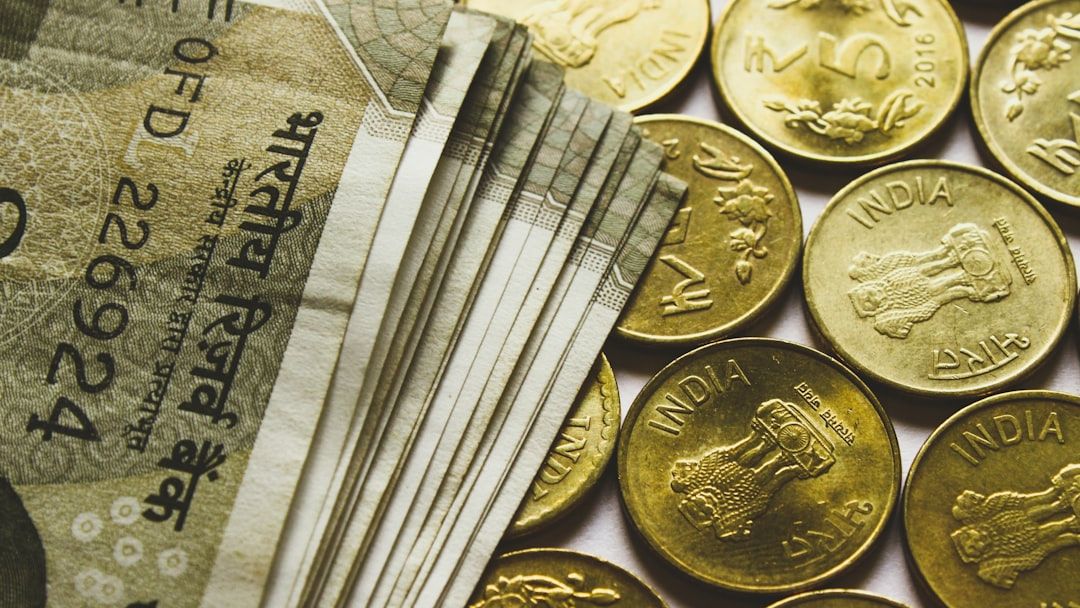
RBI likely selling dollars via state-run banks to steady rupee, traders says – Image for illustrative purposes only (Image credits: Unsplash)
The Indian rupee settled at 96.32 against the dollar on Tuesday after touching an intraday low of 96.3850. Market observers noted the currency’s ability to hold that level despite broader dollar strength. Traders attributed the steadiness to measured selling of dollars by the Reserve Bank of India through state-run banks.
Market Context for the Day’s Trading
Currency desks opened the session with the rupee under modest pressure from global risk sentiment. The early low of 96.3850 reflected that initial selling interest. By midday, however, offers appeared at regular intervals that kept the pair from extending losses. The close at 96.32 therefore represented a modest recovery within a narrow band.
How State Banks Are Said to Facilitate Intervention
Traders described a familiar pattern in which public-sector banks receive instructions to offer dollars at specific price points. These offers arrive in measured quantities rather than large blocks, allowing the market to absorb supply without sharp moves. The approach limits visibility while still providing the central bank with an effective channel for spot intervention. Such activity is viewed as routine when the rupee approaches levels that could affect import costs or external debt servicing.
Practical Effects on Businesses and Investors
A stable rupee near current levels reduces uncertainty for companies that rely on imported inputs or service foreign-currency loans. Exporters, in turn, gain clearer visibility on repatriated earnings. Portfolio investors monitoring emerging-market flows also watch these moves closely, as sustained currency volatility can prompt reallocation decisions. Overall, the reported intervention supports a predictable environment for pricing contracts and managing cash flows across sectors.
What Matters Now for Currency Watchers
Attention now turns to upcoming data releases and global central-bank signals that could shift dollar demand. Any sustained move below 96.30 would likely test the same intervention mechanism again. Conversely, a break above recent highs could ease the need for such support. Market participants continue to monitor state-bank activity as the clearest near-term indicator of official comfort with the rupee’s trading range.